President Trump considered calling Congress back from its two-week Easter recess to address a DHS funding impasse, but no special session was called. Two executive actions — a March 28 memo for TSA pay and an April 3 order restoring pay for most DHS staff — reduced the immediate need for a recall. Modern practices such as pro forma sessions and rules empowering chamber leaders make presidentially called extraordinary sessions rare in practice. The piece compares this episode to Truman’s 1948 "Turnip Day" recall, which energized his campaign but fell short legislatively.
Should the President Call a Special Session to Fund Homeland Security? Why That Power Is Mostly Symbolic Today
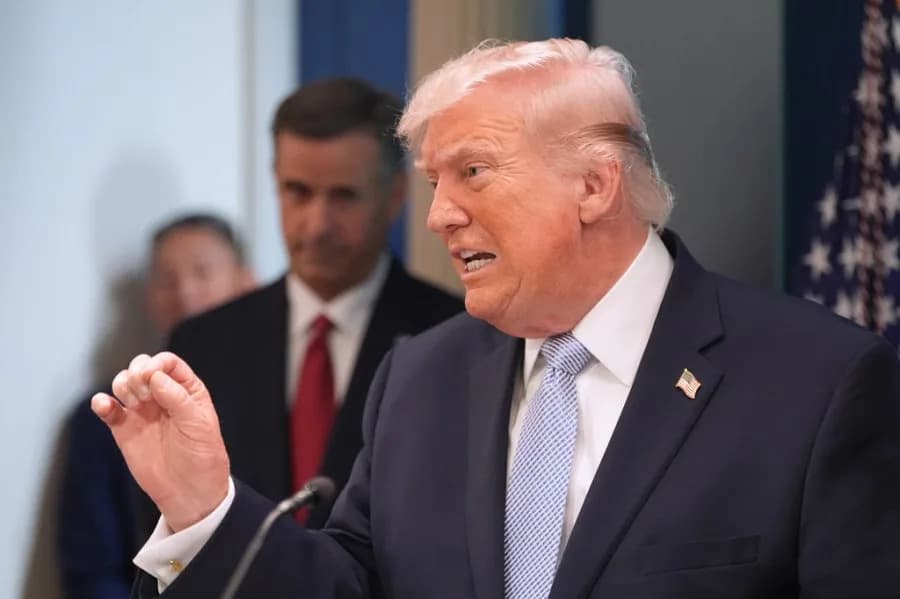
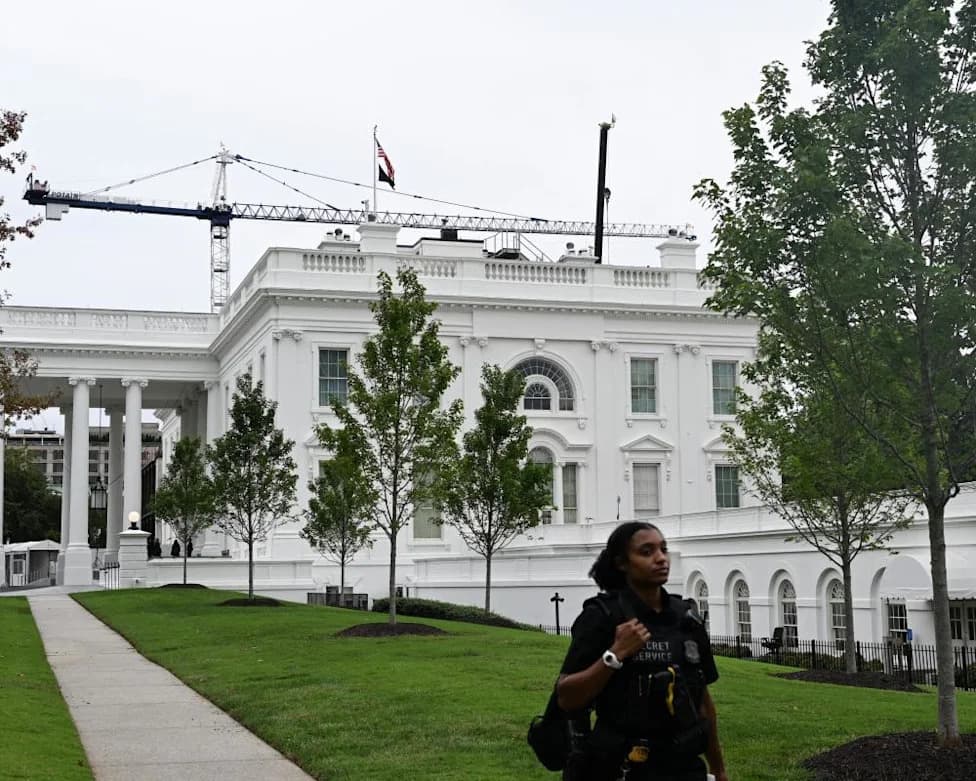
Early last week, President Donald Trump told the New York Post he was weighing whether to summon Congress back from its two-week Easter recess for a special session to break the funding deadlock at the Department of Homeland Security (DHS). As of this writing, no emergency session has been called.
What the president did instead. On March 28, the White House issued an executive memorandum ensuring Transportation Security Administration (TSA) employees would be paid. On April 3, the president signed a second order restoring pay for most remaining DHS workers, excluding ICE and Border Patrol positions that had previously been forward-funded in last year’s appropriations package. Those steps have reduced the immediate need for a dramatic recall of Congress.
Does the president still have the power to convene Congress? Yes — the Constitution gives the president that authority in Article II, Section 3: he may, "on extraordinary occasions, convene both Houses, or either of them." But in practice that power has become largely symbolic. Both chambers now hold so-called pro forma sessions every few days during recesses, and each chamber’s leadership uses standing rules to reconvene members quickly if urgent business arises. That means formal, president-initiated recalls are rarely necessary.
Why pro forma sessions matter. Pro forma meetings were adopted largely to block presidents from exploiting the recess-appointment power in Article II, Section 2, which allows the president to fill vacancies while the Senate is in recess. Because the Senate routinely holds pro forma sessions and technically remains in session, true recesses in the old sense are uncommon — limiting opportunities for unilateral appointments and for presidents to claim a need to convene Congress.
A historic comparison: Truman’s "Turnip Day." The best-known example of a presidential recall came in 1948, when Harry S. Truman used his Democratic convention acceptance speech to demand Congress reconvene on July 26 for a two-week lame-duck session to act on civil rights, an extension of Social Security, and national health care. Truman dubbed it his "Turnip Day" call. The recall failed to produce passage of his priority bills, but it galvanized his campaign and helped deliver a surprising election victory and larger Democratic congressional majorities.
Political stakes for a modern recall. For President Trump to threaten a special session in the midst of what is legally still an active legislative session — and on the eve of politically charged midterm elections — would be an audacious political maneuver. Even the threat may have moved congressional leaders toward compromise; in this case, the administration’s pay directives and the legislative mechanics of pro forma sessions removed much of the urgency for a presidentially called extraordinary session.
"Give 'em hell, Harry." — Slogan that captured the energy of Truman's 1948 effort.
Bottom line: The president retains a constitutional tool to convene Congress on "extraordinary occasions," but modern congressional practices and internal rules have narrowed the practical use of that power. In most cases today, chamber leaders can and do handle urgent scheduling without a dramatic, president-initiated recall.
About the author: Don Wolfensberger is a 28-year congressional staff veteran who retired as chief of staff of the House Rules Committee in 1995. He is the author of "Congress and the People: Deliberative Democracy on Trial" (2000) and "Changing Cultures in Congress: From Fair Play to Power Plays" (2018).
Help us improve.