Colorado has faced a series of recent defeats at the U.S. Supreme Court, culminating in an 8-1 ruling in Chiles v. Salazar that struck down the state’s 2019 conversion-therapy ban as a viewpoint-based violation of the First Amendment. The decision follows prior losses in 303 Creative (2023) and Masterpiece Cakeshop (2018), prompting criticism from conservative legal groups that Colorado has infringed on religious and expressive freedoms. The ruling will affect how states can regulate counseling and other speech-related professional conduct.
Supreme Court Rebukes Colorado Again — Chiles Ruling Extends String of Culture‑War Losses
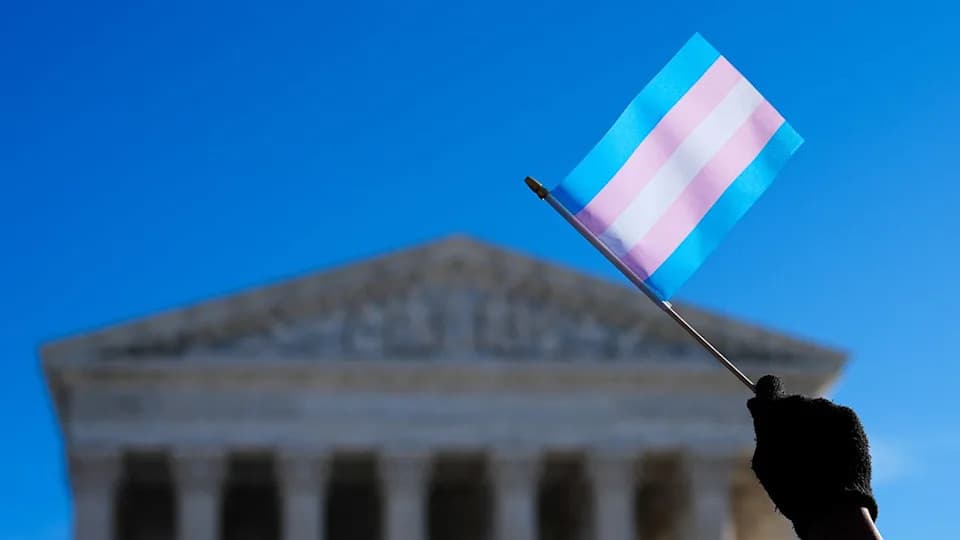
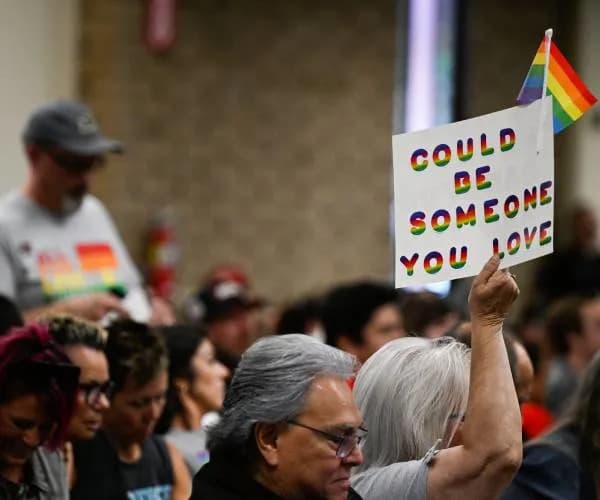
Protesters wave transgender pride flags outside the Supreme Court as it hears arguments over state laws barring transgender girls and women from playing on school athletic teams, Tuesday, Jan. 13, 2026, in Washington.(AP Images)
Colorado suffered another rebuke from the U.S. Supreme Court in Chiles v. Salazar, the latest in a series of high-profile rulings that have gone against the state in disputes over speech, religion and anti-discrimination law.
Court Finds Conversion-Therapy Ban Violates First Amendment
Last week the Court ruled 8-1 that Colorado’s 2019 ban on so-called conversion therapy — enacted by Gov. Jared Polis — violated the First Amendment because the law singled out talk therapy aimed at discouraging minors from embracing a transgender or gay identity. Justice Neil Gorsuch wrote for the majority that viewpoint-based restrictions on speech represent an “egregious” assault on the Constitution and warned against attempts to enforce an orthodoxy of thought.
“The First Amendment stands as a shield against any effort to enforce orthodoxy in thought or speech in this country,” Gorsuch wrote.
Petitioner Kaley Chiles, a licensed faith-based counselor in Colorado Springs, told the Court that her practice helps youths pursue goals they set for themselves, including counseling on sexuality and gender. Colorado argued the statute regulated professional conduct and was designed to protect minors from what state officials characterized as harmful counseling practices.
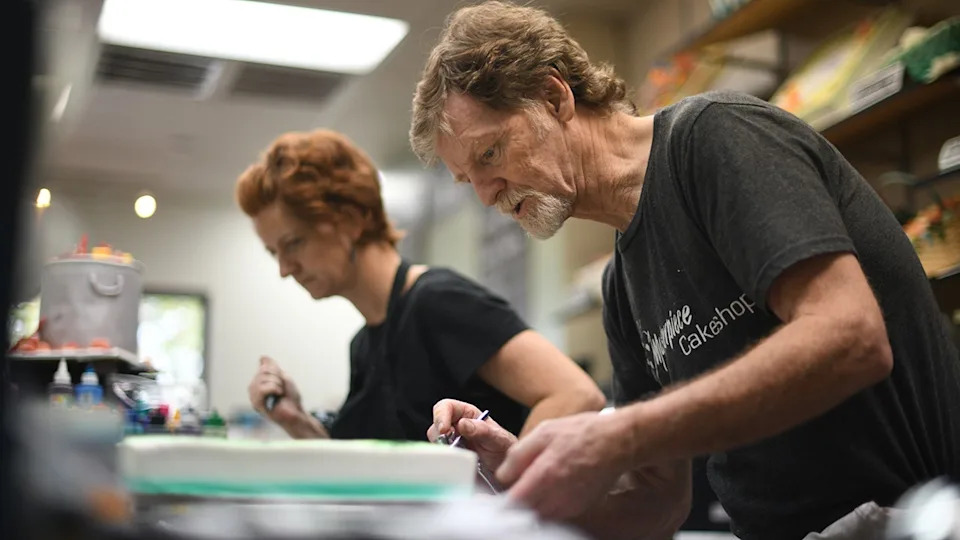
Baker Jack Phillips, owner of Masterpiece Cakeshop, manages his shop in Lakewood, Colo., Aug. 15, 2018.
Part Of A Broader Pattern Of Reversals
The Chiles decision follows two earlier Supreme Court rulings against Colorado: the 2023 303 Creative LLC v. Elenis decision (6-3), which held that the state could not compel a website designer to create expressive wedding content for same-sex couples, and the 2018 Masterpiece Cakeshop v. Colorado Civil Rights Commission ruling, in which the Court found the commission had shown unconstitutional hostility toward a baker's religious beliefs.
Conservative legal groups and commentators have framed the string of losses as evidence that Colorado officials have repeatedly infringed on religious and expressive freedoms. Alliance Defending Freedom attorney Jim Campbell, who represented Chiles in oral arguments, said the rulings show Colorado has demonstrated a lack of respect for the First Amendment. Carrie Severino, president of the Judicial Crisis Network (JCN), said the Supreme Court has repeatedly had to correct the state.
Beyond First Amendment cases, Colorado also lost a separate unanimous decision in Trump v. Anderson, where the Supreme Court reversed the Colorado Supreme Court’s removal of former President Donald Trump from the state’s 2024 primary ballot, finding the state lacked authority to disqualify him.
What Comes Next
The Chiles decision will shape how states draft and enforce regulations around professional counseling and other expressive conduct. Lawmakers and regulators in Colorado must decide whether to revise statutes or enforcement practices to align with the Court’s view that laws may not single out speech based on viewpoint. The ruling is likely to prompt renewed debate about the balance between protecting minors and safeguarding free speech and religious liberty.
Help us improve.