At Michigan State University, Senate candidate Abdul El‑Sayed invited streamer Hasan Piker and Rep. Summer Lee to energize young, online progressives — a move that has prompted fierce criticism from fellow Democrats and given Republicans fresh talking points. El‑Sayed argues the party must include digitally native left‑wing voters rather than police who may speak. The contest highlights tensions over Israel policy, AIPAC’s growing role in primaries, and Michigan’s high‑stakes August primary.
At MSU, Abdul El‑Sayed Bets Hasan Piker Can Bring the Online Left Into the Democratic Tent
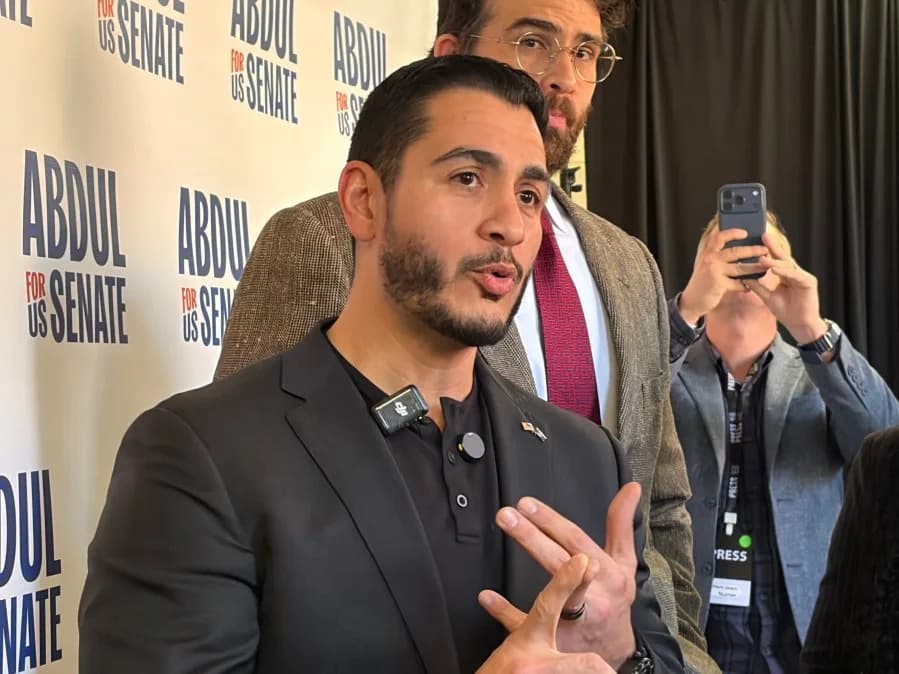
At MSU, Abdul El-Sayed bets Hasan Piker can help bring the online left into the tent
EAST LANSING, Mich. — Michigan Democrat Abdul El‑Sayed is making a deliberate play to bring the online left into the Democratic coalition, sharing a stage at Michigan State University with controversial streamer Hasan Piker and U.S. Rep. Summer Lee (D‑Pa.). The move has energized young, digitally engaged voters while drawing sharp criticism from some fellow Democrats and outside groups concerned it could alienate Jewish voters ahead of November.
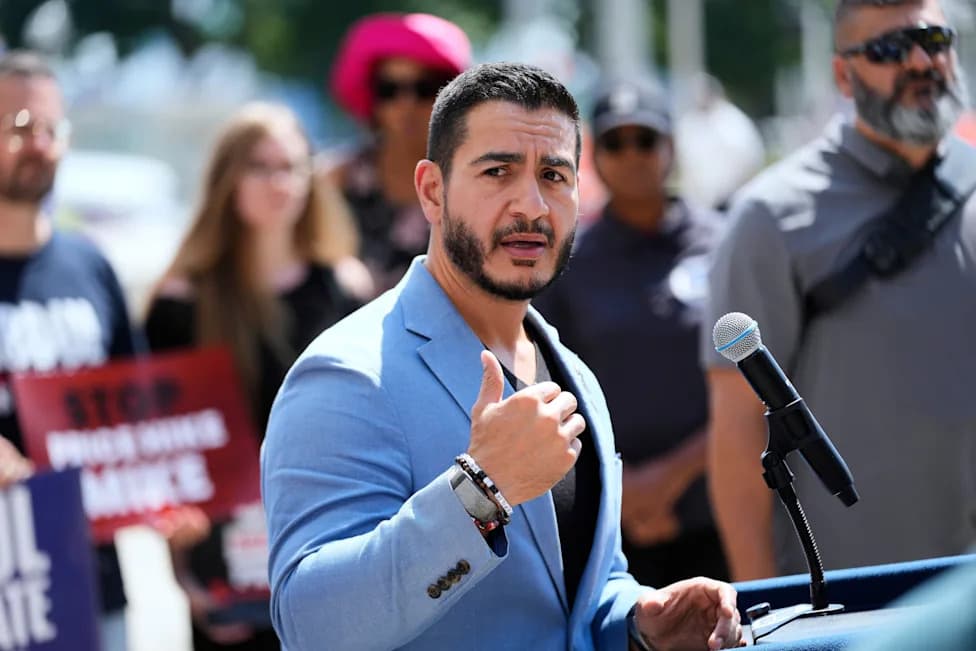
Speaking to a packed lecture hall in Anthony Hall, El‑Sayed framed the decision as a test of whether the Democratic Party truly wants to welcome young, online progressives or will instead police which voices belong under its umbrella. He argued that excluding these voters risks ceding a growing online constituency to opponents.
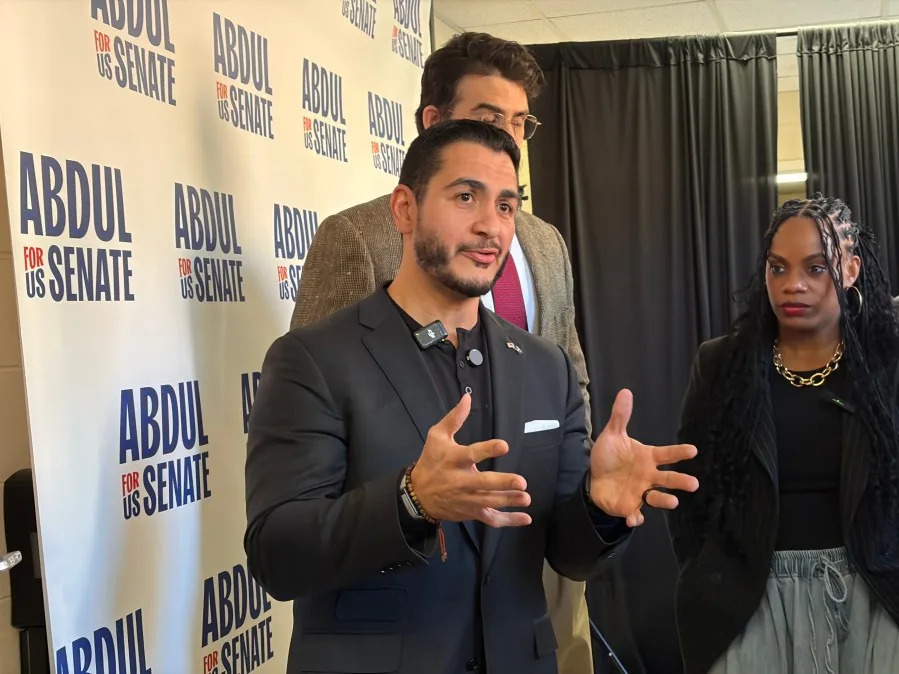
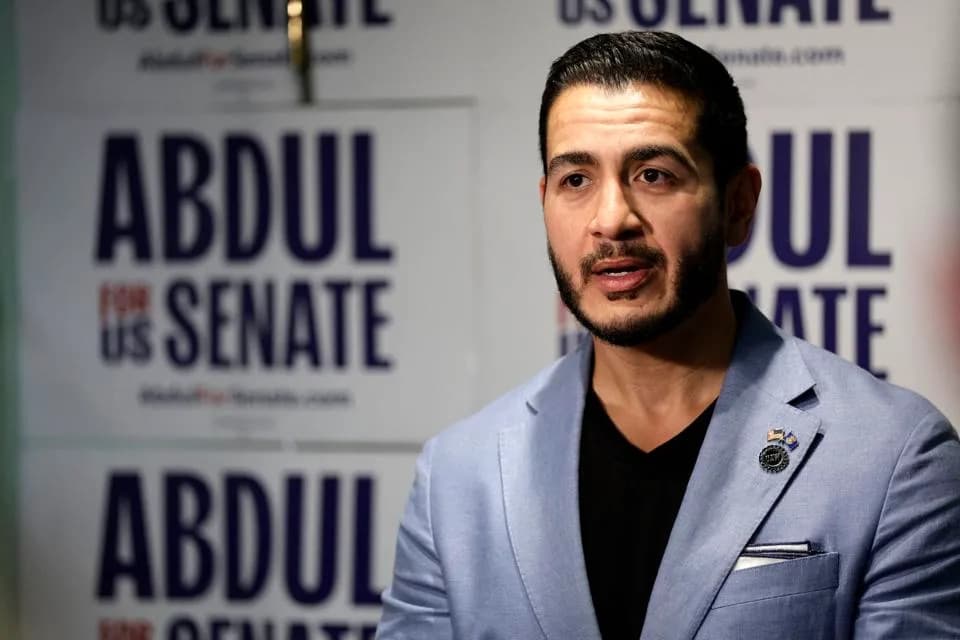
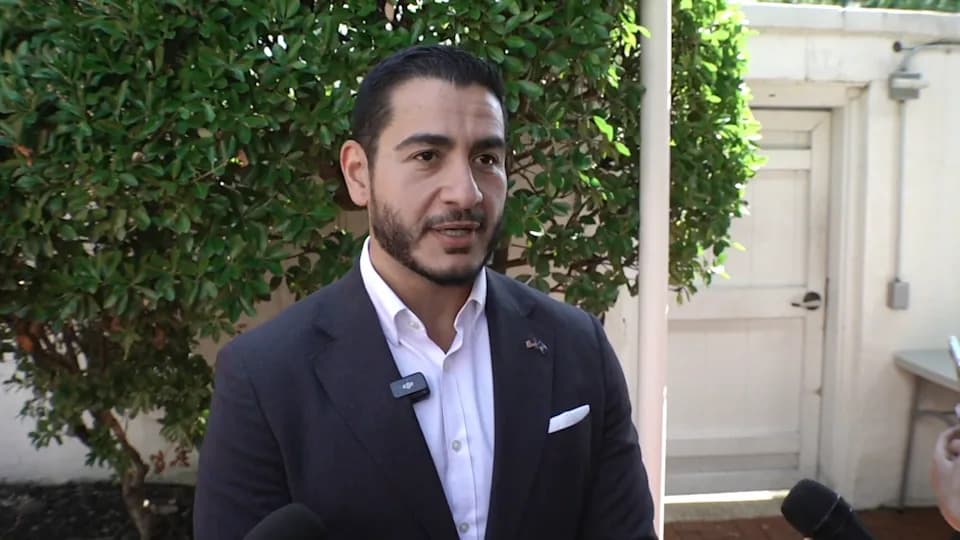
Abdul El-Sayed speaks to members of the media after a campaign stop with online influencer Hasan Piker and Rep. Summer Lee (D-Pa.) at Michigan State University. (Brad LaPlante/WLNS)
“We have a choice in this election, right? … But we gotta stop playing to lose. And we got to start playing to win,” El‑Sayed told the audience.
The appearance has drawn rebukes across the party. U.S. Rep. Haley Stevens, one of El‑Sayed’s primary rivals, said Piker is “the exact opposite of someone I’d be campaigning with.” State Sen. Mallory McMorrow, another challenger, compared Piker to extremist podcaster Nick Fuentes — a comparison she and El‑Sayed have disputed. The centrist think tank Third Way called El‑Sayed “a disgrace to the Democratic Party.”
Republicans have also seized on the controversy. Mike Rogers, the presumptive GOP Senate nominee, described the rally as evidence of how “radical the Democratic Party has become.”
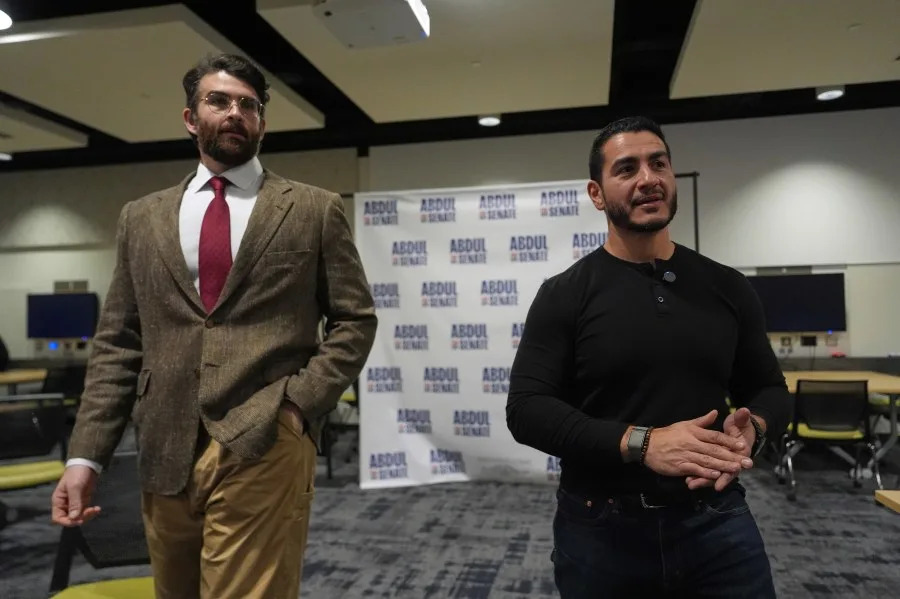
Hasan Piker, left, listens as Abdul El-Sayed, a progressive candidate in the Democratic primary for U.S. Senate in Michigan, speaks in a green room before a campaign rally, Tuesday, April 7, 2026, at the University of Michigan in Ann Arbor, Mich. (AP Photo/Julia Demaree Nikhinson)
Why Hasan Piker Matters
Piker is a prominent left‑wing streamer with more than 3 million followers on Twitch, where he broadcasts regularly. Some of his past remarks have provoked controversy: in 2019 he said in a monologue that “America deserved 9/11,” later clarifying he was not endorsing the attacks but arguing U.S. actions abroad invite blowback. He has also made strongly critical comments about Israel that many found inflammatory.
Campus Response And Free Speech Tension
Michigan State’s leadership sought a middle path. About an hour before the event, MSU President Kevin Guskiewicz and the university Board of Trustees issued a statement defending free speech and “diversity of thought,” while condemning antisemitism and acknowledging that comments attributed to the visiting speaker had caused pain in the Jewish community. The university also pointed students to counseling and bias‑response resources.
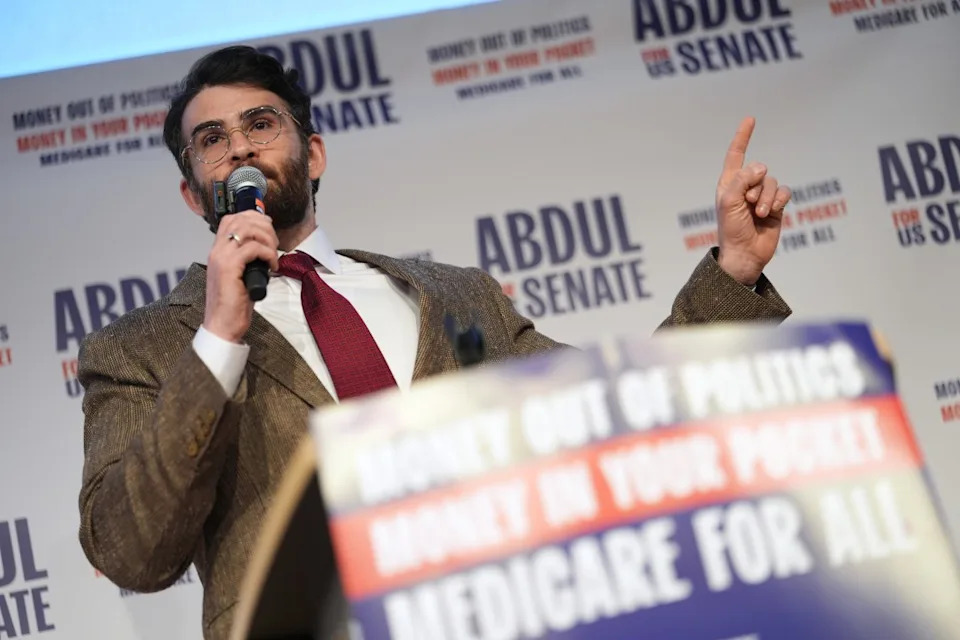
Hasan Piker speaks at a campaign rally for Abdul El-Sayed, a progressive candidate in the Democratic primary for U.S. Senate in Michigan, Tuesday, April 7, 2026, at the University of Michigan in Ann Arbor, Mich. (AP Photo/Julia Demaree Nikhinson)
El‑Sayed pushed back against “guilt‑by‑association” claims in an interview with WLNS‑TV, saying it’s possible to oppose antisemitism while criticizing the policies of the Israeli government. From the stage, he linked his foreign‑policy stance to domestic priorities, saying every dollar spent on foreign military action is a dollar not spent on health care and other domestic needs.
“There is one country that benefits here. One. Benjamin Netanyahu… and well‑funded groups that spend to shape our message,” he said, criticizing what he described as outsized influence by pro‑Israel advocacy and donor networks.
Primary Stakes And Broader Context
The contest in Michigan is high stakes. AIPAC and allied super PACs have sharply increased spending in Democratic primaries since the Oct. 7 attacks and the Gaza war, targeting candidates they view as too critical of Israel and boosting those they view as reliably pro‑Israel. That dynamic places Michigan’s August primary among a small number of pivotal races that could influence which party controls the U.S. Senate.
Michigan’s electorate includes a large Arab and Muslim population mobilized around opposition to U.S. support for Israel’s actions in Gaza, alongside a significant Jewish community of donors and activists who prioritize Israel policy and combating antisemitism. El‑Sayed is running as the most openly anti‑war, anti‑AIPAC candidate in the field; Haley Stevens is closely aligned with AIPAC, and Mallory McMorrow positions herself as a pragmatic progressive with backing from Sen. Elizabeth Warren and the liberal pro‑Israel group J Street.
El‑Sayed is betting the bigger risk for Democrats is shutting out students and young voters who feel unheard. If his strategy succeeds in August, Michigan’s primary could provide a clear answer about whether the party’s “big tent” genuinely includes the insurgent online left.
Reporting compiled from WLNS and campaign public statements.
Help us improve.