Researchers from 23andMe and the University of Copenhagen analysed nearly 28,000 people and found a GLP‑1 gene variant (rs10305420) associated with slightly greater weight loss from injectable drugs. Individuals with two T alleles lost about 1.28% extra body weight (~3 lb 6 oz / 1.52 kg) compared with CC carriers. The T allele is more common in Europeans than in people of African descent, and a separate variant was linked to nausea with tirzepatide. Authors note genetics explain only a modest part of differences in treatment response.
Genes May Influence How Much Weight You Lose With Injection Treatments — Study Finds GLP‑1 Variant Boosts Results
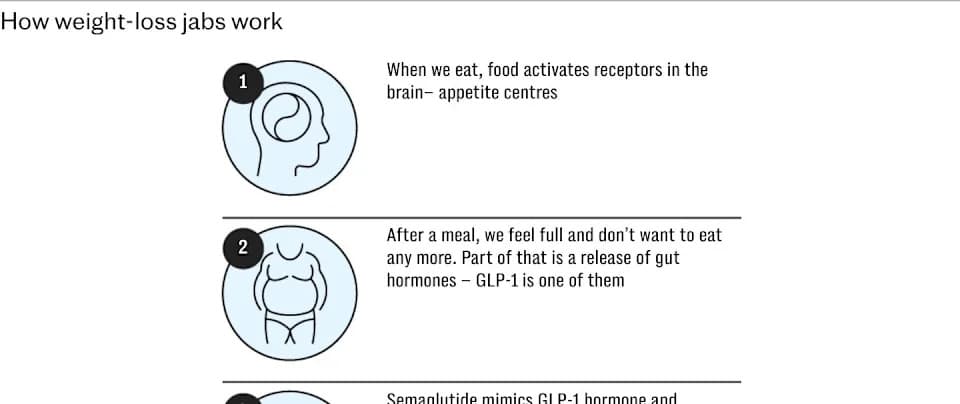
Scientists say differences in a gene that helps regulate appetite and digestion may explain why some people lose more weight than others when treated with injectable anti‑obesity drugs.
A team from the 23andMe Research Institute and the University of Copenhagen analysed medical records and genetic data from nearly 28,000 patients who used popular GLP‑1 receptor agonists such as Wegovy (semaglutide) and Mounjaro (tirzepatide) for an average of eight months. The study, published in Nature, compared recorded weight changes with each participant's DNA to search for genetic factors linked to treatment response.
Key Genetic Signal: rs10305420 in the GLP‑1 Gene
Researchers identified a single genetic site, rs10305420, in the GLP‑1 gene where variation was associated with greater weight loss. Most people carry two alleles at this location: C or T.
Compared with individuals who have two C alleles (CC), those with one C and one T allele (CT) lost on average 0.64% more body weight — roughly 1 lb 13 oz. Participants with two T alleles (TT) lost about 1.28% more body weight, equivalent to approximately 3 lb 6 oz (1.52 kg), than CC carriers.

Mounjaro was developed for the treatment of Type 2 diabetes, but is now increasingly used for weight loss - Matthew Horwood/Getty Images
These differences are modest compared with the typical effects of GLP‑1 drugs observed in clinical trials, which produce around 10–15% reductions in body weight for many patients.
Variation By Ancestry And Side‑Effect Signals
The study also examined how the T allele is distributed across populations: roughly 54% of people of European ancestry carry at least one T allele and about 16% carry two, while among people of African descent approximately 6% carry at least one T and only 0.1% carry two. These differences suggest average genetic benefit from the variant may vary between populations.
Using the same genome‑wide approach, the researchers flagged a different genetic variant that was linked to a higher risk of nausea and vomiting in people taking tirzepatide (Mounjaro).
Dr Marie Spreckley, research programme manager at the University of Cambridge, described the findings as an "important step" toward understanding why people respond differently to weight‑loss drugs and said they could help enable more precise treatment approaches in the future.
However, the authors emphasise that genetic differences account for only a modest portion of the variation in treatment response. Non‑genetic factors — including sex, drug choice, dose, duration of treatment and lifestyle — explain a substantially larger share of why results differ between patients.
Implications: The findings could help guide future efforts to personalise obesity treatment by predicting who is most likely to benefit from specific drugs and who may be at higher risk of certain side effects. Further research and clinical validation are needed before genetics are used routinely to tailor prescriptions.
Help us improve.