Laboratory researchers accidentally discovered that bed bugs (Cimex lectularius) strongly avoid water and damp surfaces — a behaviour not previously recognized. Tests showed avoidance of both blood-soaked and plain wet paper, and the response was consistent across sexes and life stages, often shown by rapid U-turns. The aversion likely reflects their flat bodies and small spiracles, which can be blocked by liquid. While a bath may dislodge bugs from a person, room infestations still require established control methods.
Accidental Lab Find: Bed Bugs Strongly Avoid Water — A New Clue for Control
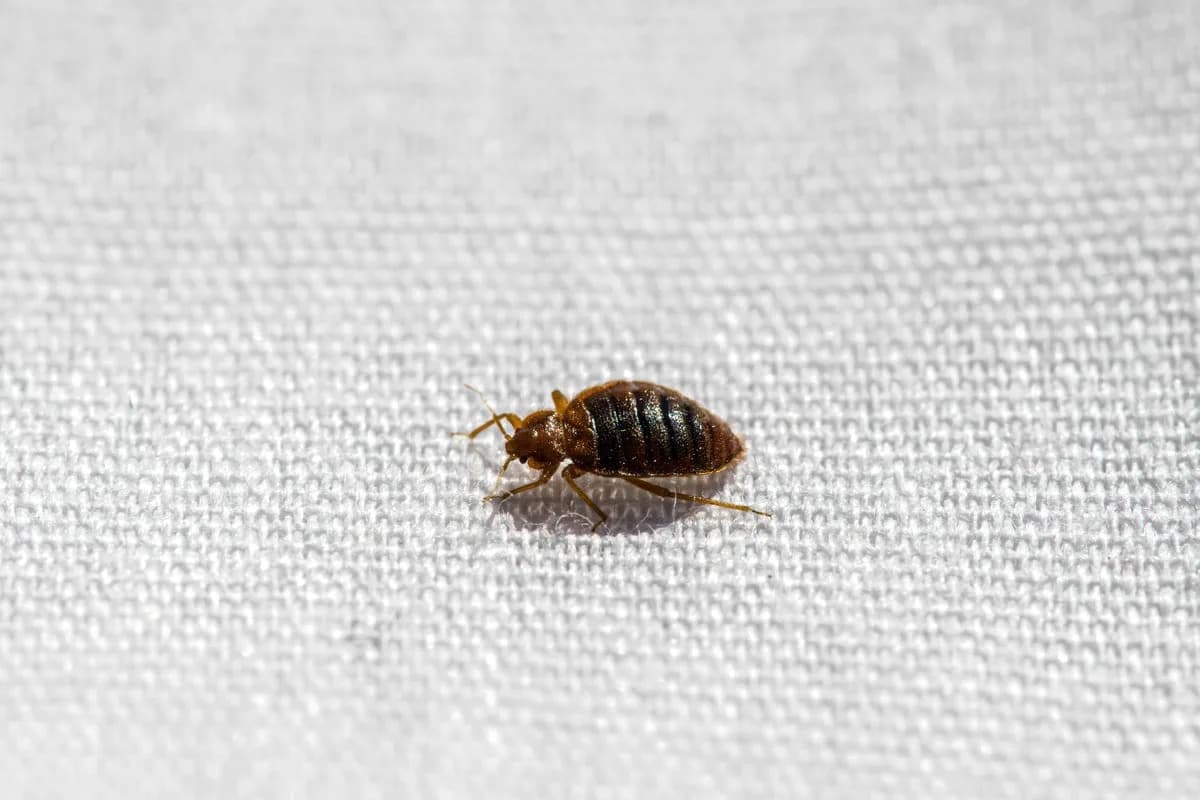
Accidental lab discovery reveals bed bugs are terrified of this simple thing
Researchers have discovered that common bed bugs (Cimex lectularius) strongly avoid water and damp surfaces — a behavioural trait that could point to new ways of managing these persistent household pests.
Unexpected Discovery
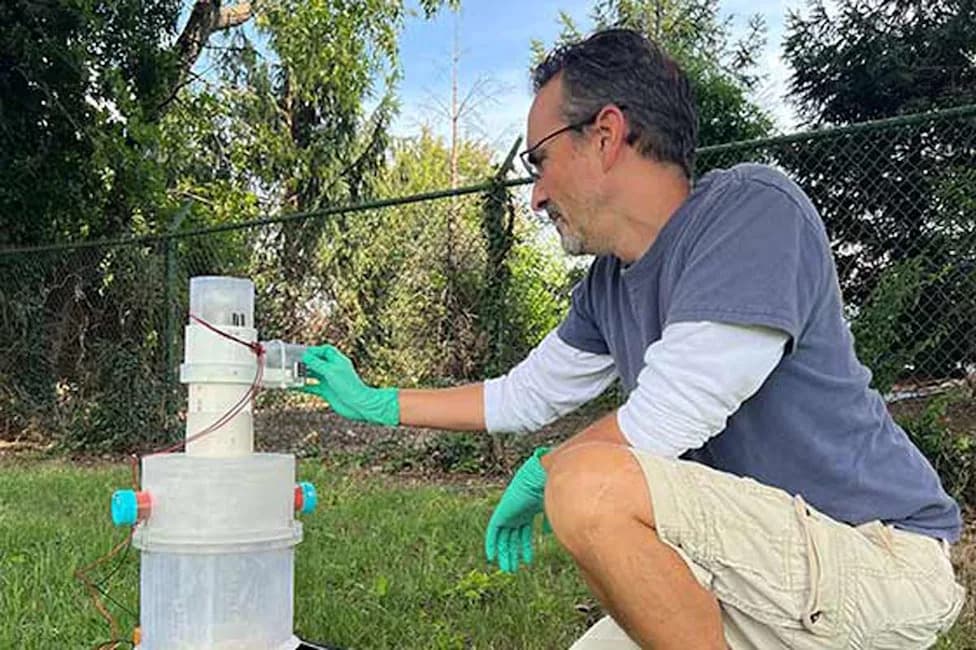
The finding emerged by chance during routine maintenance of laboratory colonies. Scientists kept bed bugs in small vials topped with an artificial blood feeder. When a feeder membrane was slightly damaged, leaked blood soaked a piece of paper placed inside a vial for the insects to grip.
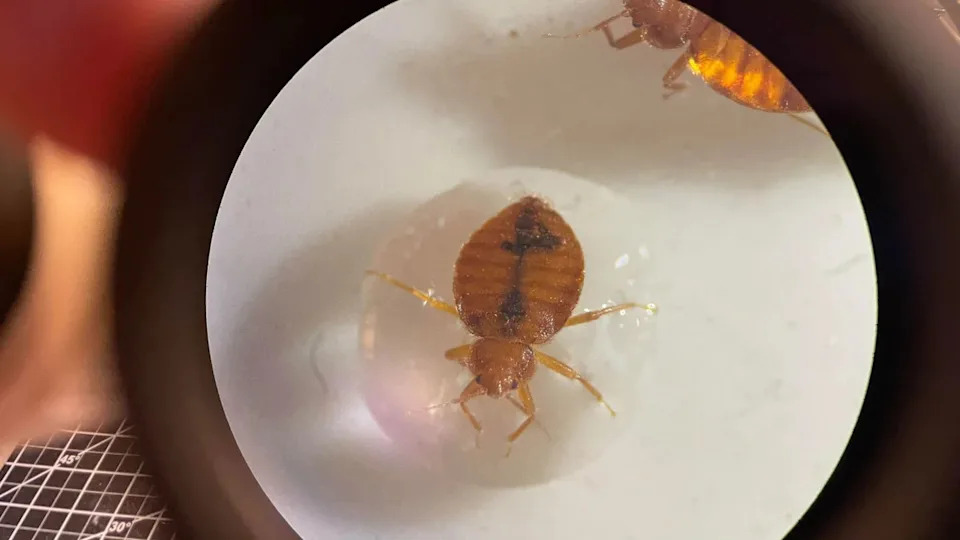
Bed bug in the Choe lab at UCR (Dong Hwan Choe/UCR)
“I thought the bed bugs would be happy to drink the blood from the paper,” said Dr Dong Hwan Choe, an author of the study published in the Journal of Ethology and an entomologist at the University of California, Riverside. “But what I observed was very different: they actively avoided the wet area and wouldn’t even walk near the soaked sections.”
Testing Moisture vs. Blood
To test whether it was moisture rather than the blood itself that repelled them, researchers dampened paper inside other vials with plain water. The bed bugs avoided those wet patches as well. Further experiments showed the response was consistent across sexes and life stages: males, females, nymphs and adults all steered clear of damp areas and often performed rapid U-turns when encountering moisture.
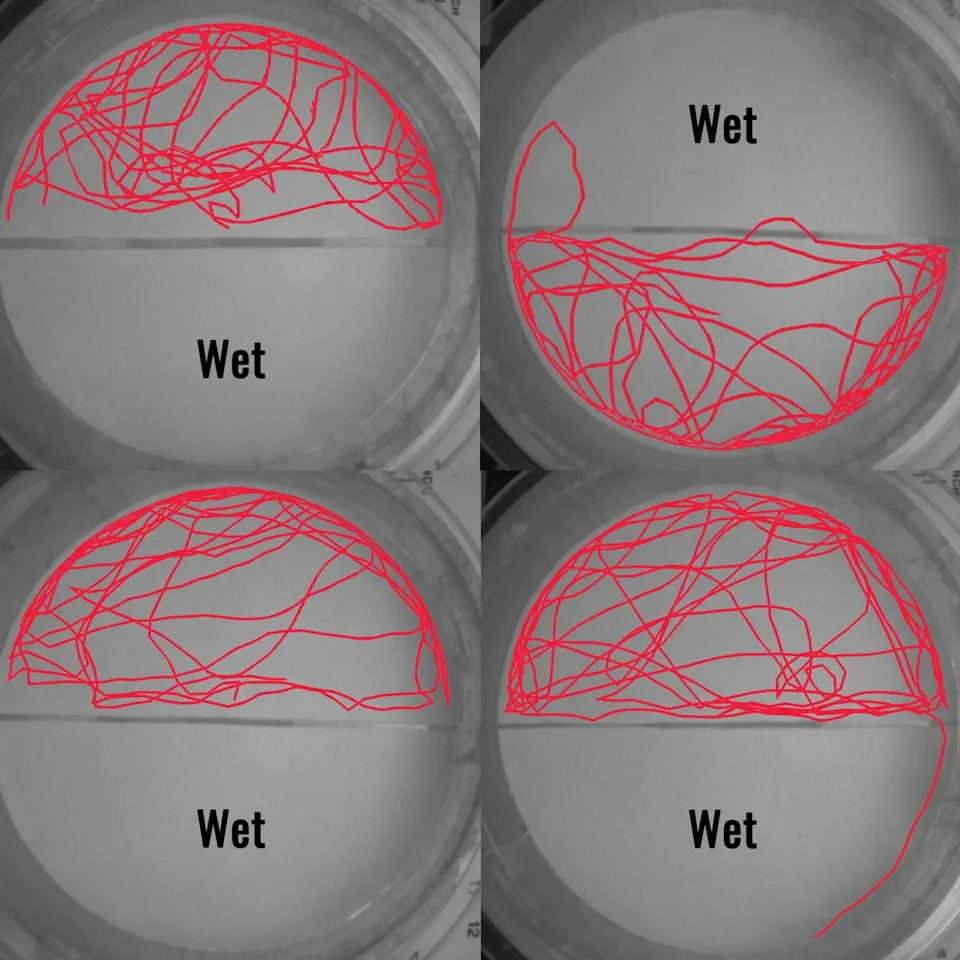
Movement traces of bedbugs in the experiment (Jorge Bustamante Jr/Dong-Hwan Choe/UCR)
Why Water Is Dangerous To Bed Bugs
The behaviour fits the insects’ anatomy. Bed bugs have very flat bodies and tiny breathing openings called spiracles along the sides of their abdomens. If a bed bug contacts liquid, surface tension can trap it and block spiracles, interfering with respiration. “Because water adheres so strongly, it can be dangerous for a bed bug,” Dr Choe explained.
Implications For Control
While the discovery does not solve infestations by itself, it suggests practical steps and new research directions. For someone who suspects bed bugs are on their body, a bath or shower can help dislodge insects. However, bed bugs hiding in a room, mattress or furniture will require established control methods such as targeted heat treatment, professional pest control, vacuuming, mattress encasements and follow-up monitoring.
Takeaway: Moisture is strongly aversive to bed bugs under laboratory conditions, likely because of their physiology. Researchers say this insight could inform complementary control strategies and inspire further study of moisture-linked repellents or barriers.
Help us improve.