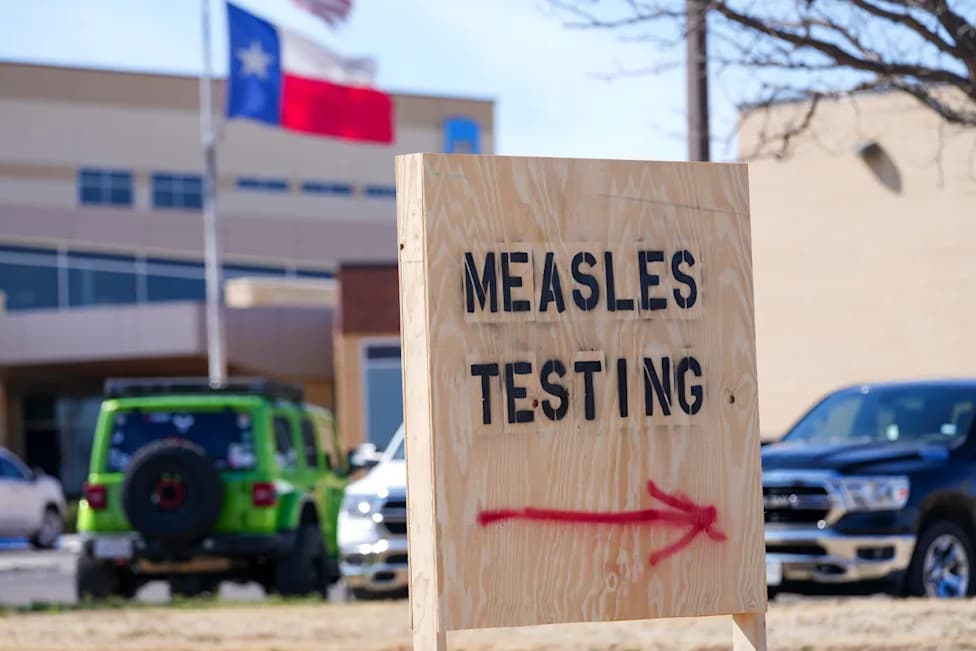
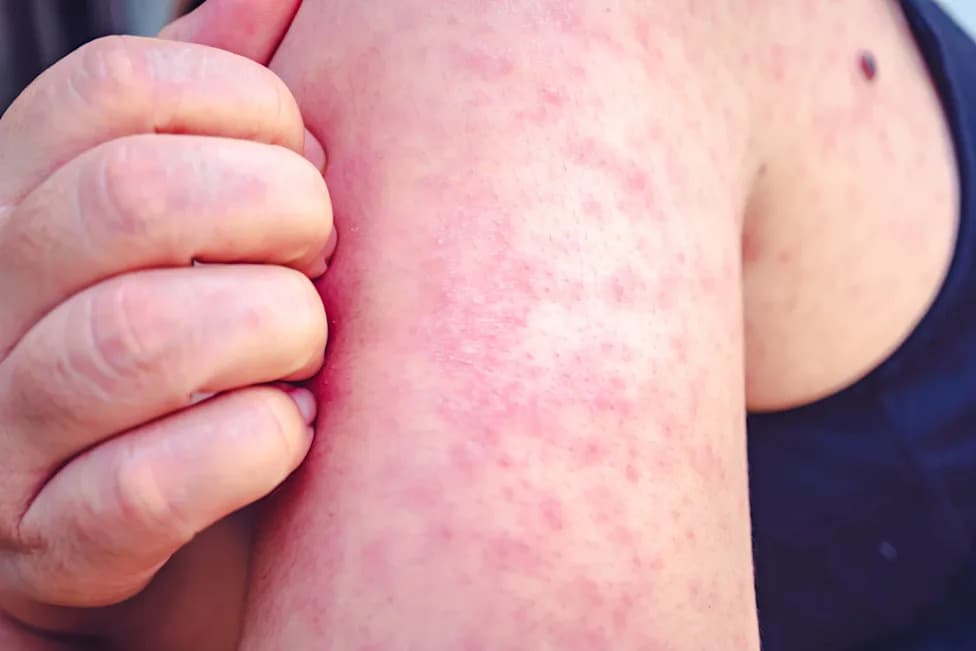
Bangladesh is facing a suspected measles outbreak that officials say has killed at least 98 children in three weeks, with 6,476 suspected cases among children aged six months to five years. Government data report 826 confirmed cases and 16 confirmed deaths, though limited testing may understate the toll. Authorities have launched targeted vaccinations in 30 worst-affected areas after vaccine shortages and delays to a planned campaign contributed to the resurgence. Public-health experts warn urgent, wider vaccination is needed to prevent further deaths and complications.
Suspected Measles Outbreak in Bangladesh Kills Nearly 100 Children; Targeted Vaccination Launched
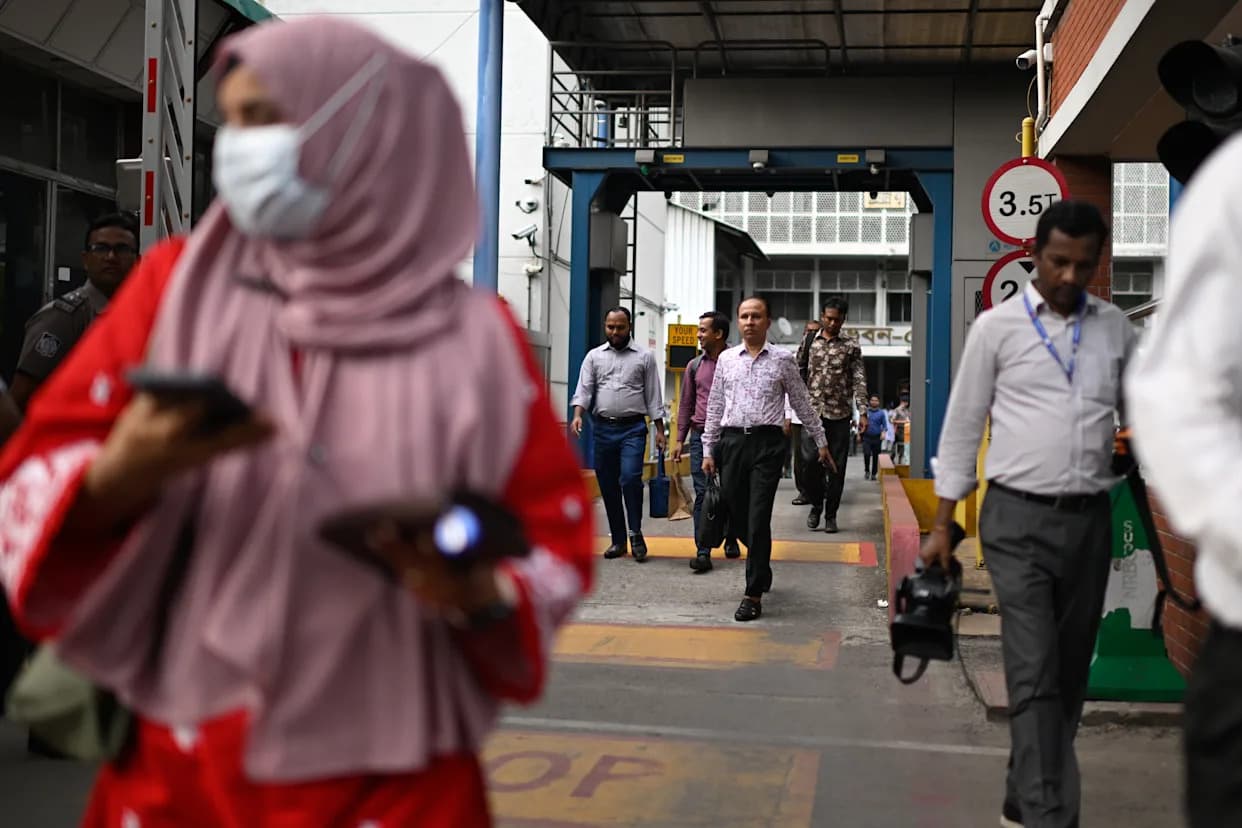
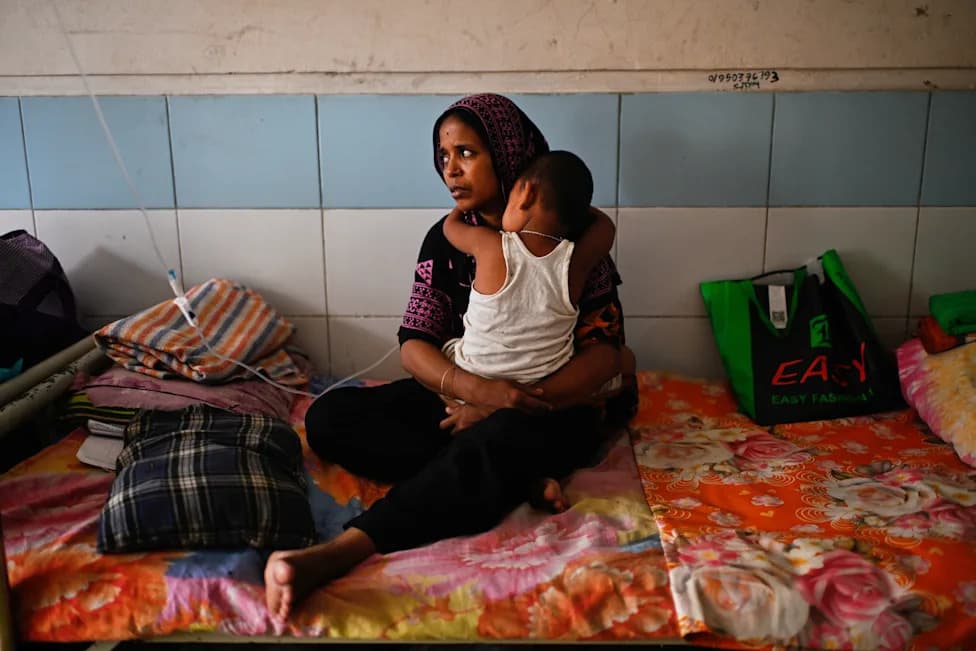
Measles is one of the world's most contagious diseases and is transmitted when a person coughs or sneezes [File: Mahmud Hossain Opu/AP]
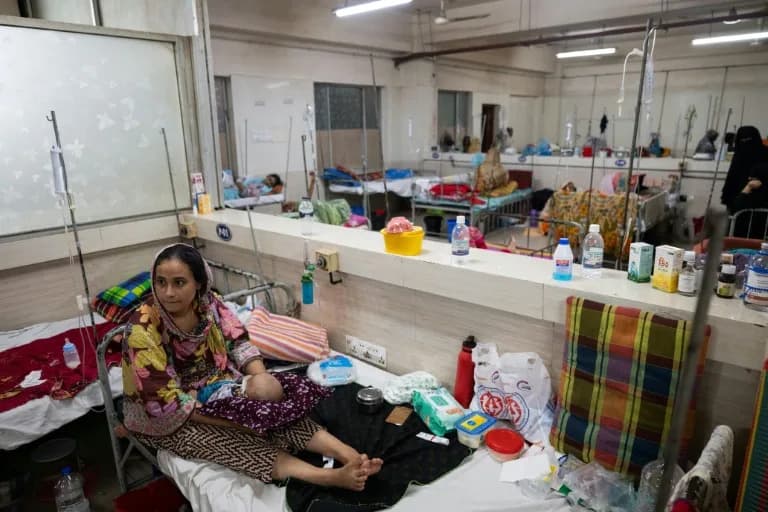
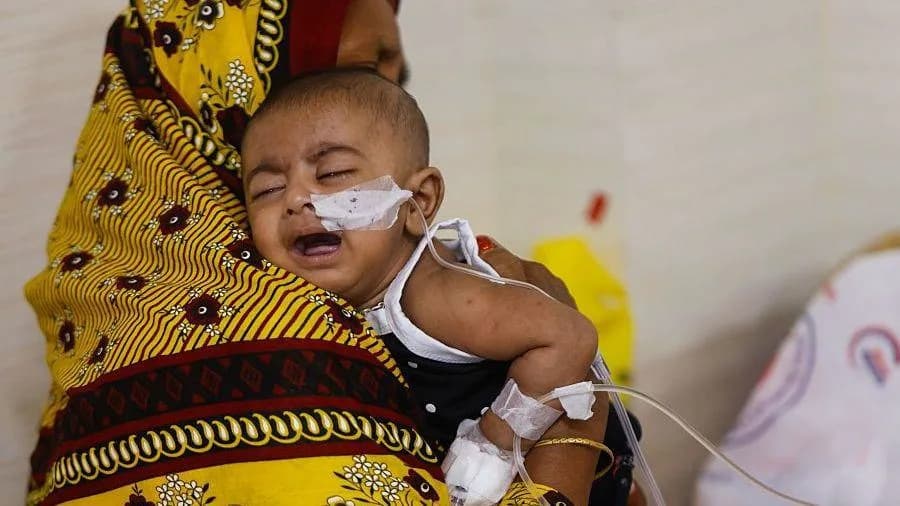
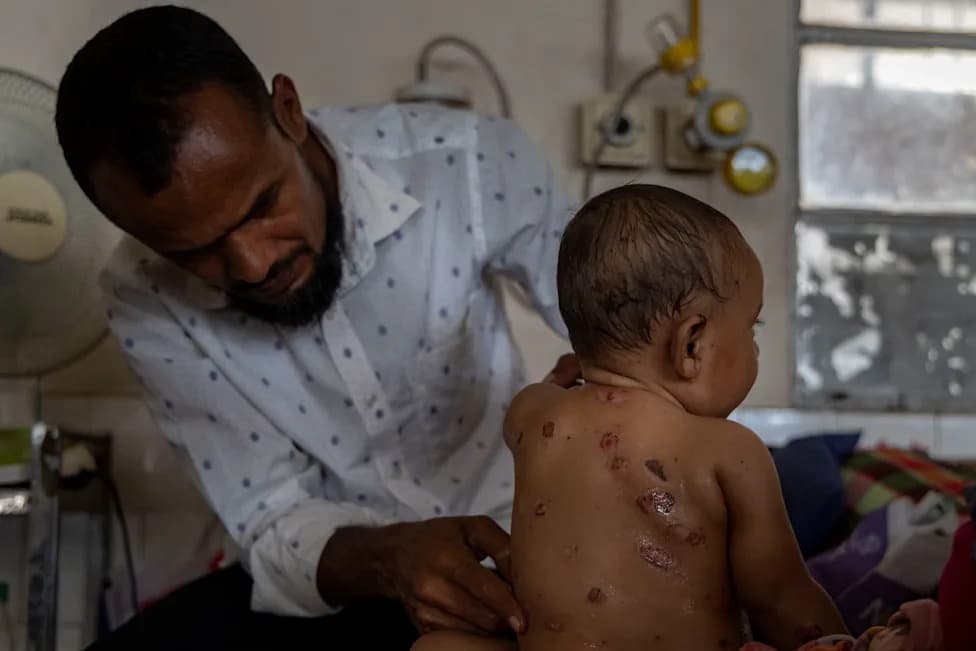
Bangladeshi health authorities say a suspected measles outbreak has claimed the lives of at least 98 children over the past three weeks, and the capital, Dhaka, has begun targeted immunisation in the hardest-hit neighbourhoods.
Current Situation
Data published by the Ministry of Health and Family Welfare show that 6,476 children aged six months to five years have presented with suspected measles symptoms. Of these, 826 cases are laboratory-confirmed and 16 deaths are confirmed; however, officials warn that gaps in testing and cases dying before tests can be performed may mean the true toll is higher.
Government Response
Senior government ministers have been dispatched to assess the scale of the outbreak and coordinate the response across the country of roughly 170 million people. Dhaka has identified 30 of the worst-affected areas and launched a targeted vaccination campaign there, with plans to expand if needed.
Causes And Concerns
Officials and public-health experts attribute the surge to multiple factors, including vaccine shortages, delays to a planned mass immunisation drive and gaps in routine vaccination coverage. Most Bangladeshi children receive their first measles vaccine at nine months; many of the recent cases involved infants as young as six months, who are not yet scheduled for that routine dose.
“Compared with past years, the number of affected children and the death toll are both higher,” said Halimur Rashid, Director of Communicable Disease Control.
Global Context And Risks
Measles is among the most contagious infectious diseases and spreads via respiratory droplets when an infected person coughs or sneezes. The World Health Organization estimates that tens of thousands of measles deaths still occur worldwide each year, largely among unvaccinated or undervaccinated children under five. Measles can cause severe complications such as brain inflammation (encephalitis) and life-threatening respiratory problems. There is no specific antiviral cure; prevention through timely vaccination is the primary defence.
Expert Warnings
Public-health experts have warned that although funds were reportedly allocated for vaccine procurement, logistical and procurement failures left supplies insufficient. “Now we see the result. The situation is scary,” said Tajul Islam A Bari, a former official with the Expanded Programme on Immunisation.
Health authorities say rapid, expanded vaccination and improved surveillance are urgent priorities to contain the outbreak and protect the most vulnerable children.
Help us improve.