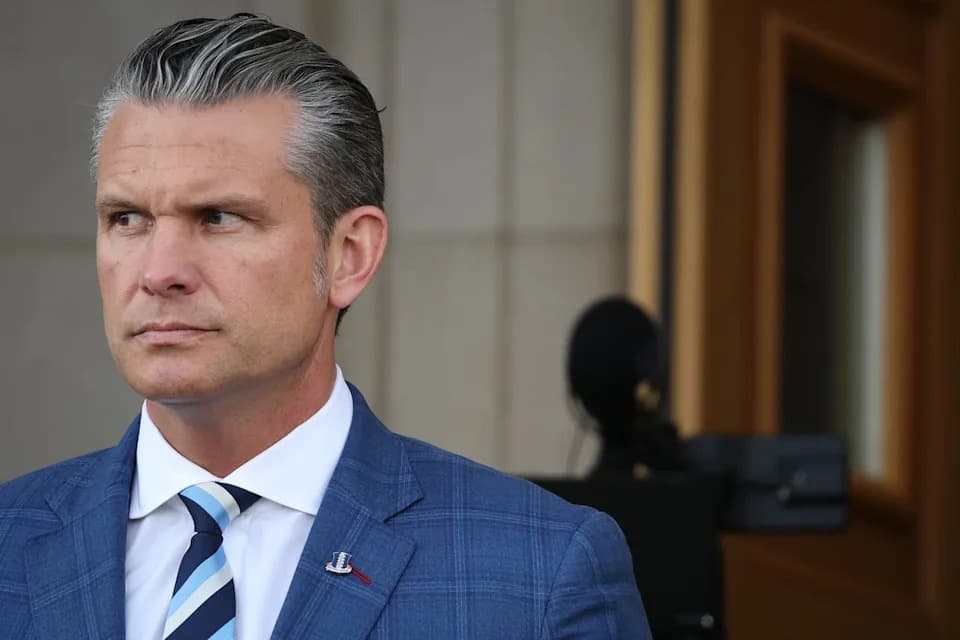
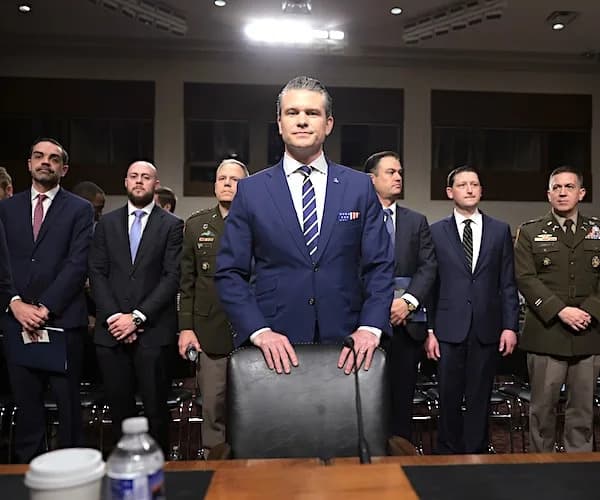
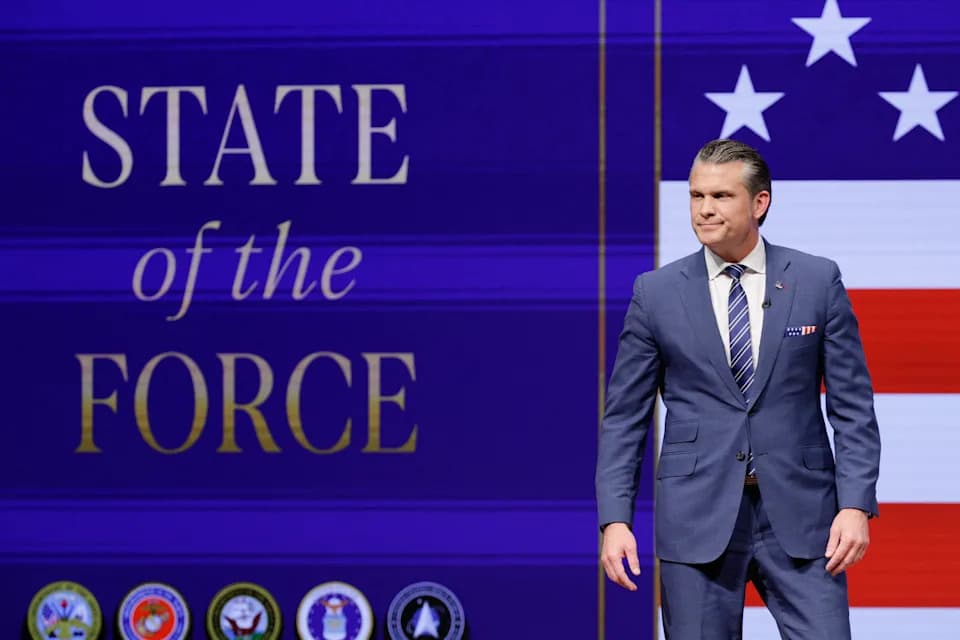
Pete Hegseth signed a memorandum allowing service members to request permission to carry privately owned firearms on U.S. military bases, citing recent attacks at Fort Stewart, Holloman AFB and Pensacola NAS. The memo presumes requests made for personal protection are valid and requires written explanation if commanders deny them. Key details — including training requirements, storage and transport rules, and whether the policy will be applied uniformly across services — remain unspecified.
Pete Hegseth Signs Memo Letting Troops Request To Carry Personal Firearms On U.S. Bases
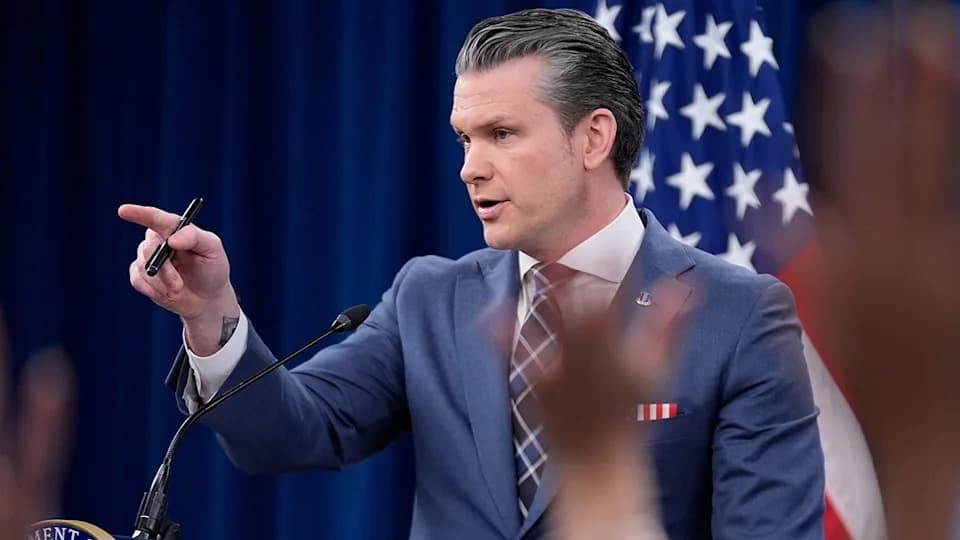
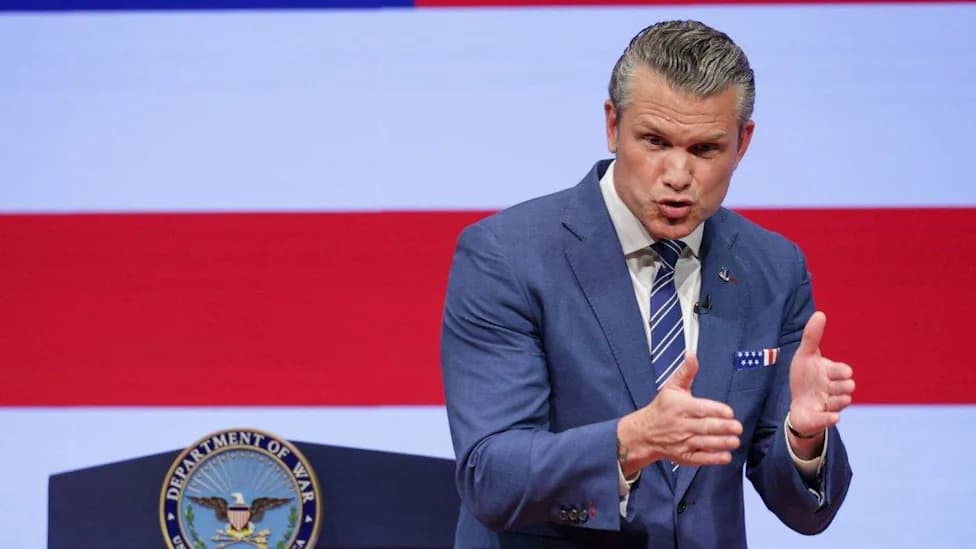
Defense Secretary Pete Hegseth speaks to members of the media during a press briefing at the Pentagon in Washington, Thursday, March 19, 2026.(AP Images)
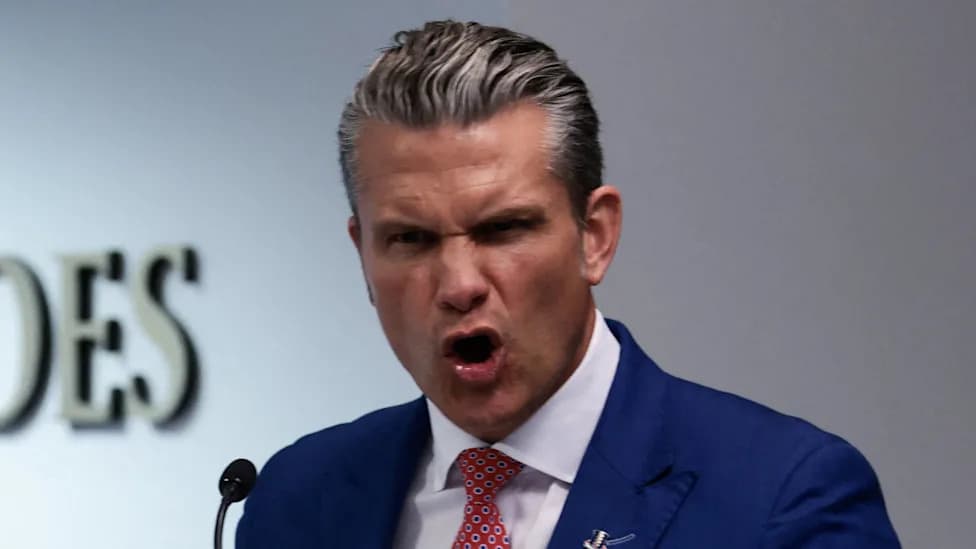
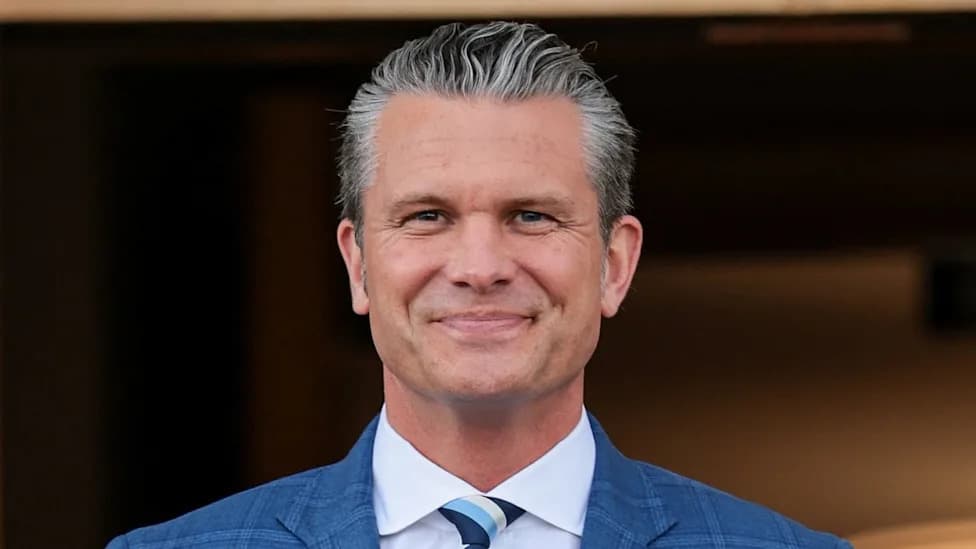
War Secretary Pete Hegseth on Thursday signed a memorandum that changes long-standing base security policy by allowing service members to request permission to carry their privately owned firearms on U.S. military installations for personal protection.
In a social media post announcing the policy shift, Hegseth invoked the Second Amendment, calling the right to bear arms a "God-given right" and saying uniformed service members — who are "trained at the highest and unwavering standards" — should be able to exercise that right while on duty or on base.
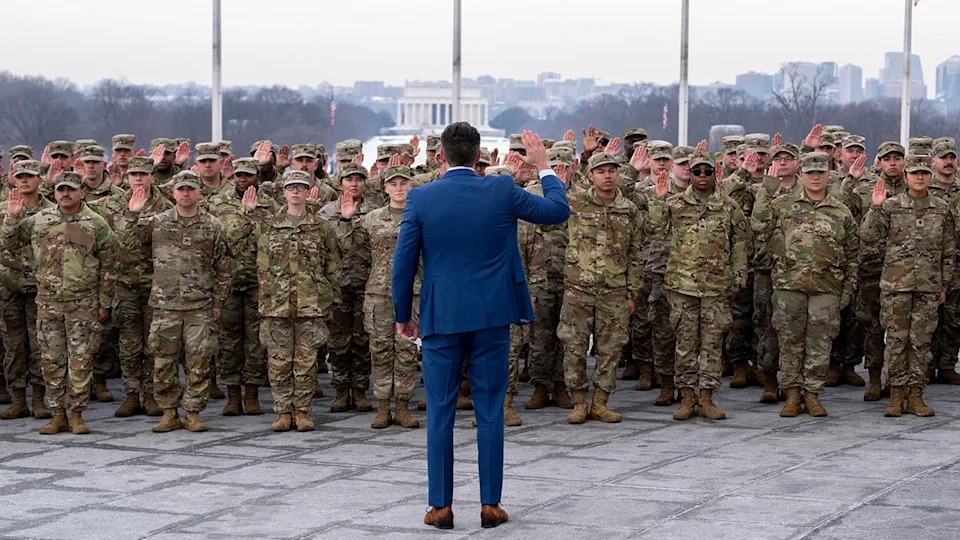
Defense Secretary Pete Hegseth administers the oath of enlistment to a group of National Guard soldiers, at the base of the Washington Monument, Friday, Feb. 6, 2026 in Washington.
Why the change? Hegseth cited several recent attacks, including incidents at Fort Stewart, Holloman Air Force Base and Pensacola Naval Air Station, saying they showed "some threats are closer to home than we would like" and that in those critical moments "minutes are a lifetime." He argued that qualified service members could make those minutes count.
"These war fighters, entrusted with the safety of our nation, are no less entitled to exercise their God-given right to keep and bear arms than any other American," Hegseth said. "Our war fighters defend the right of others to carry. They should be able to carry themselves."
Under the prior policy, personnel could legally own private firearms but carrying or concealing them on federal property, including military installations, was generally prohibited; on-base possession typically required registration and storage under installation rules. Carrying on post was generally restricted to military police, security forces and personnel performing official duties.
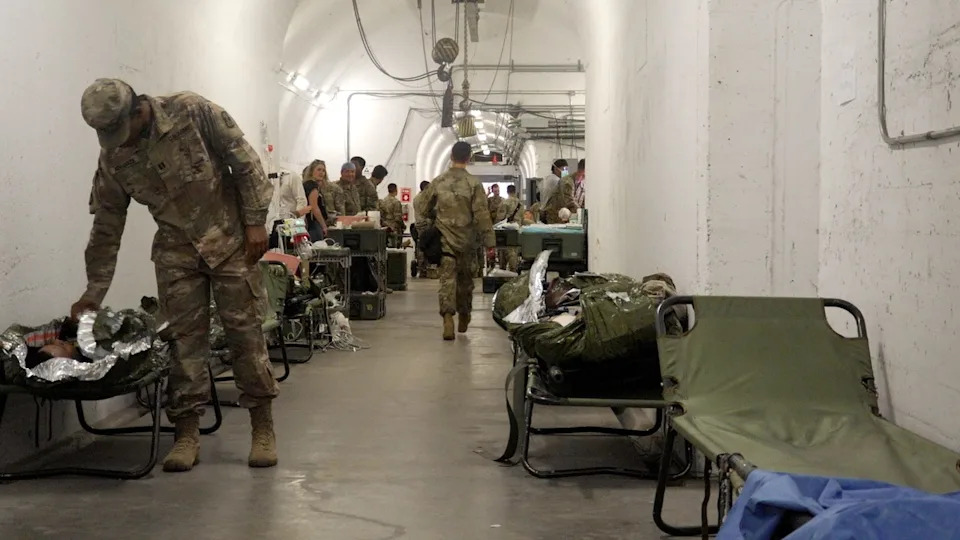
300 Soldiers treat and work on fake wounded soldiers for a training exercise
What the memo does — The memorandum directs installation commanders to accept and process requests from service members to carry privately owned firearms, with a presumption that requests submitted for personal protection are valid. If a commander denies a request, the denial must be provided in writing with a detailed explanation of the reasons for the decision.
Hegseth did not specify whether additional training, certification, storage or transport rules will be required, nor did the memo clarify whether the guidance will be implemented uniformly across all branches. Those operational and legal details will likely be worked out by individual services and commanders as the new guidance is put into practice.
What to watch for — Implementation questions, including training standards, weapons storage, transport rules, and cross-branch consistency, remain unresolved. The change could prompt further guidance from the Department of Defense and legal review to align base policies with federal and state regulations.
Help us improve.