Lawmakers must explicitly distinguish general-purpose AI models from purpose-built AI when drafting regulations. Failing to do so leads to five common drafting errors — including omission, mismatch and inapt lumping — that produce ambiguity, enforcement problems and unintended gaps. Scholars advise regulators to target applications and harms rather than purely technical labels; lawmakers should clarify scope, interaction with existing laws, and align obligations with risk.
Lawmakers Must Stop Conflating General-Purpose AI With Purpose-Built Systems

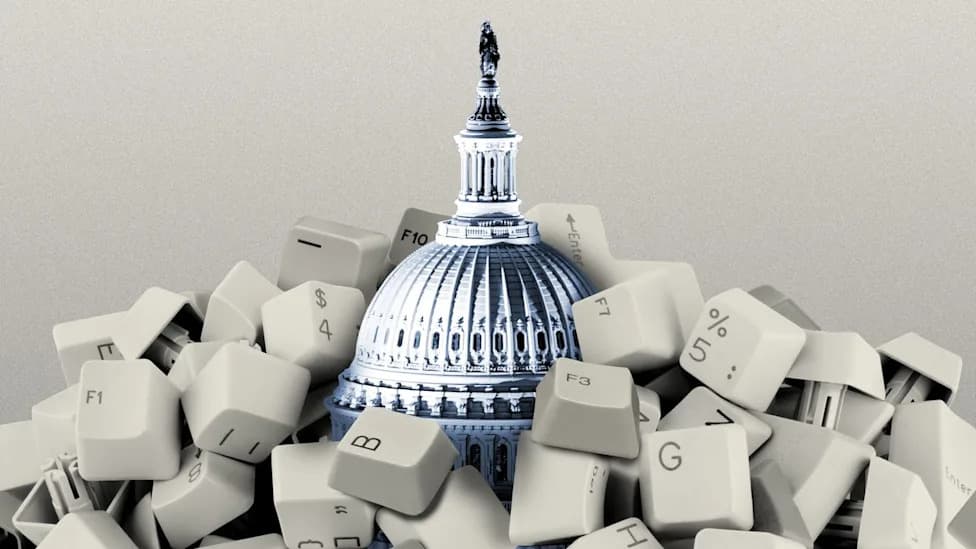
Lawmakers need to consider purpose-built AI versus general-purpose AI when it comes to crafting new AI laws.getty
Lawmakers drafting new AI rules risk creating confusion, loopholes and enforcement headaches if they don’t explicitly distinguish between general-purpose AI models and purpose-built AI applications. This distinction matters for both practical enforcement and proportional regulation.
Why The Distinction Matters
People frequently rely on general-purpose large language models (LLMs) — examples include ChatGPT, GPT-5, Claude, Grok, Gemini and CoPilot — for tasks like mental-health advice even though those models were not designed as clinical tools. By contrast, purpose-built mental-health AIs are engineered specifically for therapeutic or diagnostic support. Those categories differ in intent, design, control, risk profile and the appropriate regulatory response.
Five Common Drafting Flaws
Recent proposals often fall into one of five drafting mistakes when they fail to treat these categories distinctly:
- Purpose-Built AI Myopia. The statute targets purpose-built systems but omits language covering general-purpose models, allowing multipurpose platforms to argue they are out of scope.
- General-Purpose AI Myopia. The law addresses general-purpose models yet neglects narrowly focused tools, letting specialized systems evade requirements.
- Missing The Mark. Substantive rules fit one class of AI while the statute’s definitions reference the other, producing a mismatch between intent and scope.
- Inapt Lumping. Legislators name both categories but treat them identically, glossing over crucial differences and creating impractical obligations for one or both groups.
- Failure To Specify. The law remains vague about which class it covers, inviting litigation and undermining enforceability.
How These Flaws Play Out
Consider a statute that requires safety labels for AI "built for mental health." Does that reach a multipurpose chatbot that routinely answers questions about depression? Conversely, a rule aimed at "general-purpose models" might overlook a therapeutic chatbot intentionally designed as a task-specific medical aid. Ambiguity produces both under-inclusion (harmful systems slip through) and over-inclusion (low-risk tools face disproportionate burdens).
What Scholars Recommend
As recent scholarship argues, regulators should generally identify targets based on applications and consequences rather than purely on technical implementation; technical specifications may be a last resort when necessary to allocate responsibility and prevent harm.
That position — outlined in the paper "Distinguishing Task-Specific and General-Purpose AI in Regulation" (Wang, Selbst, Barocas, Venkatasubramanian, arXiv, Jan 23, 2026) — emphasizes focusing on harms, usage contexts, structural dependencies and who controls the system.
Practical Guidance For Lawmakers
To avoid messy gaps and conflicts, lawmakers should:
- Define clearly whether a rule targets purpose-built AI, general-purpose models, or both, and explain why.
- Specify how new laws interact with existing statutes and whether obligations apply by use, design, or outcome.
- Align obligations with risk and context — higher burdens where the risk and impact justify them.
- Consider enforcement mechanisms and incentives that prevent evasive re-labeling or minimal compliance.
Early AI regulation focused on task-specific systems because those were commercially dominant; the rise of powerful general-purpose models has produced a complex overlay of old and new rules. Legislators should perform legislative "housekeeping" to clarify overlaps, address gaps and ensure laws are enforceable.
Balancing Risks And Benefits
AI is globally pervasive, often inexpensive or free, and can act as both a force for good and a source of harm. That dual-use reality demands measured regulation: mitigate downsides while preserving beneficial access and innovation. As Aristotle put it, "The law is reason, free from passion" — and reason requires clarity, proportionality and careful drafting.
Bottom line: Don’t draft AI rules in a rush. Specify targets, align obligations with harms and use clear, context-sensitive language so laws achieve their intended public-policy goals.
Help us improve.