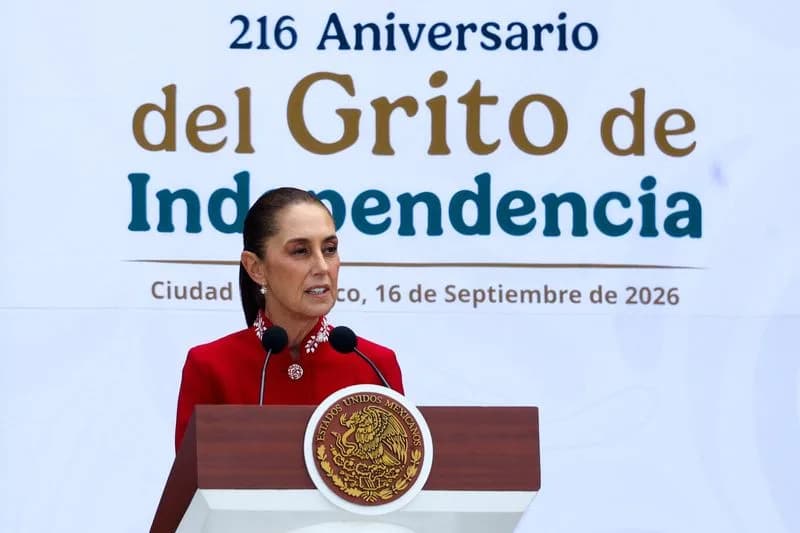
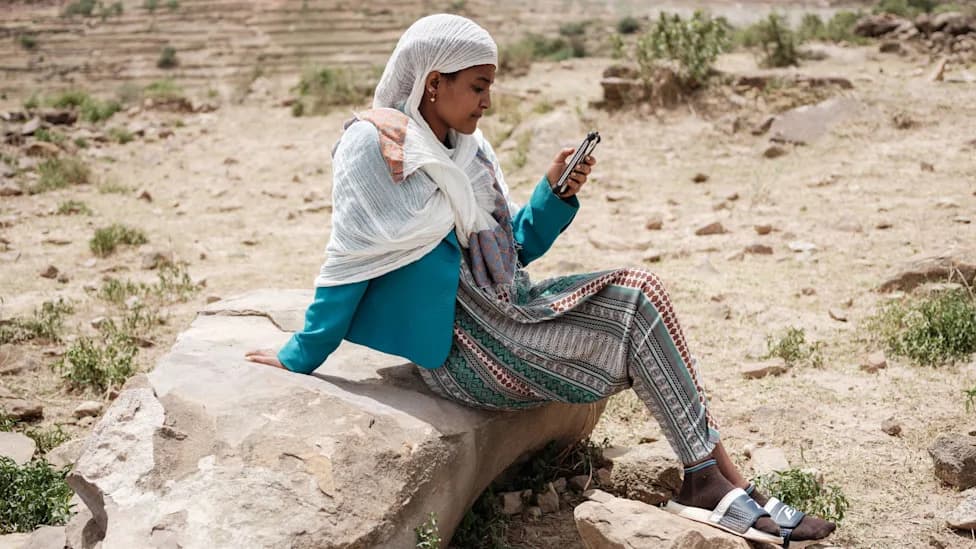
President Claudia Sheinbaum said Mexico will continue its agreement with Cuba that permits Cuban doctors to work in Mexico, a move announced on March 25. Several neighbouring countries — Honduras, Guatemala, Jamaica and Guyana — have recently ended similar pacts amid pressure from the United States. While the U.S. calls the program exploitative, host governments counter that rural and underserved communities depend on the Cuban medical teams.
Mexico Stands By Pact Allowing Cuban Doctors, President Sheinbaum Says
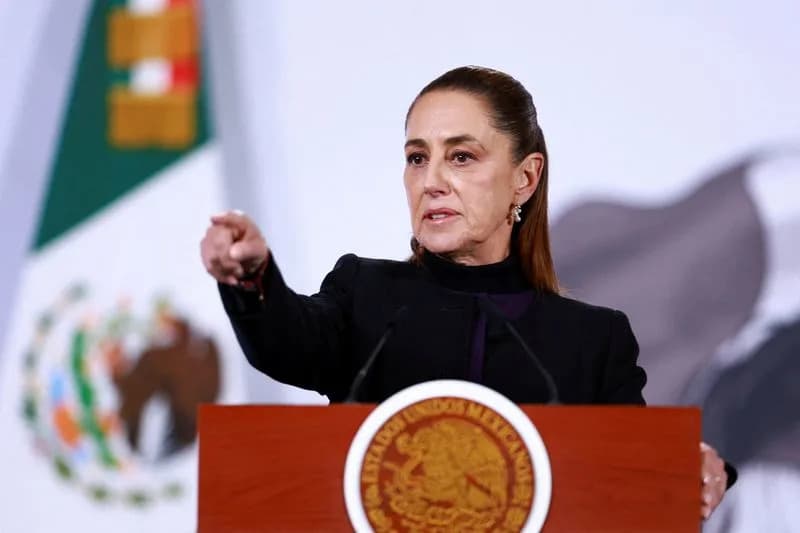
FILE PHOTO: Mexico's President Claudia Sheinbaum speaks during a press conference about the wave of violence in Mexico, following the killing of Mexican drug lord Nemesio Oseguera, known as 'El Mencho', in a military operation on Sunday, at Palacio Nacional, in Mexico City, Mexico, February 23, 2026. REUTERS/Raquel Cunha/File Photo
Mexico City, March 25 — President Claudia Sheinbaum announced on Wednesday that Mexico will maintain its agreement with Cuba allowing Cuban doctors to work in Mexico, despite recent regional shifts and pressure from the United States.
Regional Context
Several nearby countries — Honduras, Guatemala, Jamaica and Guyana — have recently terminated similar arrangements with Cuba. Washington has characterised the Cuban medical program as "exploitative," a charge that the host governments reject, arguing that rural and underserved communities depend on the medical services provided by Cuban physicians.
What the Agreement Means
The agreement enables Cuban medical teams to provide primary and community healthcare in parts of Mexico where access to care is limited. Mexican authorities say continuing the pact will help sustain medical services for remote and vulnerable populations while preserving bilateral cooperation with Cuba.
Political and Humanitarian Stakes
Supporters of the Cuban program say it fills critical gaps in local health systems and ensures continuity of care in underserved areas. Critics, including U.S. officials, cite concerns over the program's structure and the treatment of participating medical staff. Mexico's decision to uphold the agreement signals a choice to prioritise healthcare access in affected communities while navigating broader regional and diplomatic pressures.
Reporting by Raul Cortes and Iñigo Alexander; Editing by Sarah Morland.
Help us improve.