Myanmar rice farmers are queuing overnight for scarce diesel after the Iran conflict pushed up global oil prices and disrupted urea fertiliser supplies. Diesel pump prices rose to about 3,800 kyat/litre by mid-March, while black-market fuel sells near 12,000 kyat/litre. The shortages—together with higher fertiliser costs—threaten the upcoming planting and harvest season and risk worsening food insecurity for millions, UN agencies warn.
Myanmar Farmers Scramble for Diesel as Iran Conflict Chokes Fuel and Fertiliser Supplies
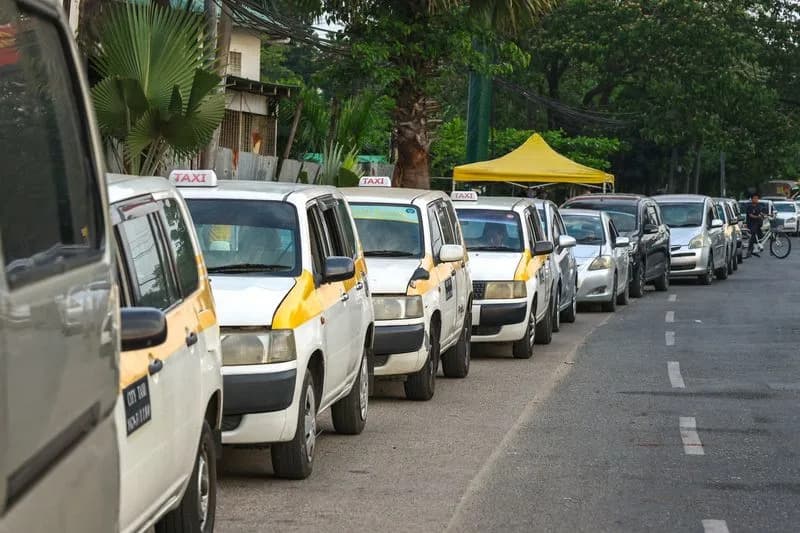
Drivers queue to fill fuel at a gas station amid the U.S.-Israeli war on Iran, in Yangon, Myanmar, March 20, 2026. REUTERS/Stringer
March 26 (Reuters) - In the Irrawaddy delta, Win Zaw is one of five members of a farming family who ride out most nights to queue at fuel depots in search of a few jerry cans of diesel to run their tractor. With diesel scarce, long lines of motorbikes and tractors form as early as 3 a.m.; some people even sleep overnight at stations.
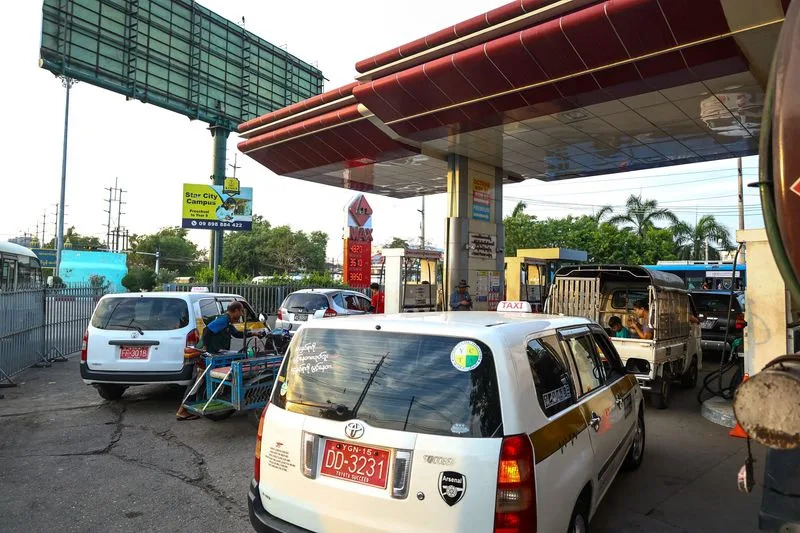
Drivers queue to fill fuel at a gas station amid the U.S.-Israeli war on Iran, in Yangon, Myanmar, March 20, 2026. REUTERS/Stringer
Myanmar's fragile economy, weakened by five years of conflict since the 2021 military coup, has been hit again by disruptions linked to the conflict involving Iran. The fighting has pushed global oil prices higher and tightened supplies of diesel and fertiliser to the country.
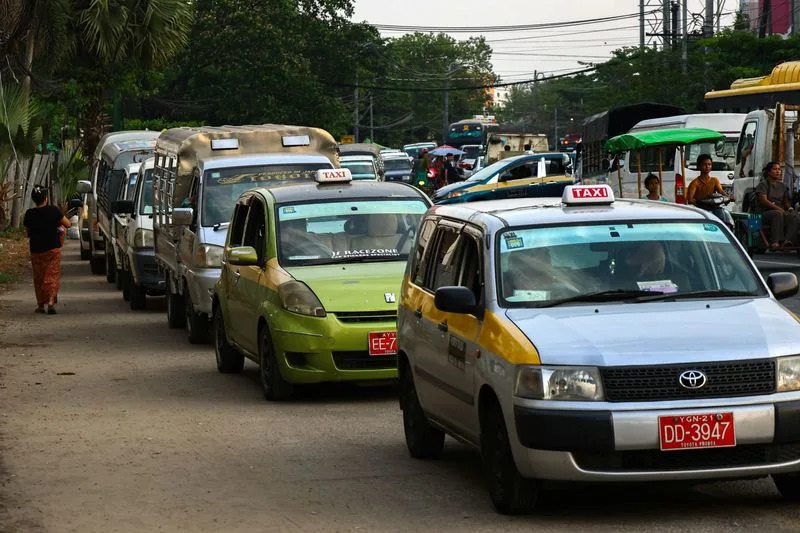
Drivers queue to fill fuel at a gas station amid the U.S.-Israeli war on Iran, in Yangon, Myanmar, March 20, 2026. REUTERS/Stringer
Rising Prices and Desperate Measures
By mid-March, pump diesel in Myanmar was about 3,800 kyat (≈ $1.80) per litre, up from 2,450 kyat (≈ $1.16) in February. With official allocations limited, some farmers are forced to buy from the black market at roughly 12,000 kyat (≈ $5.71) per litre to save their harvests.
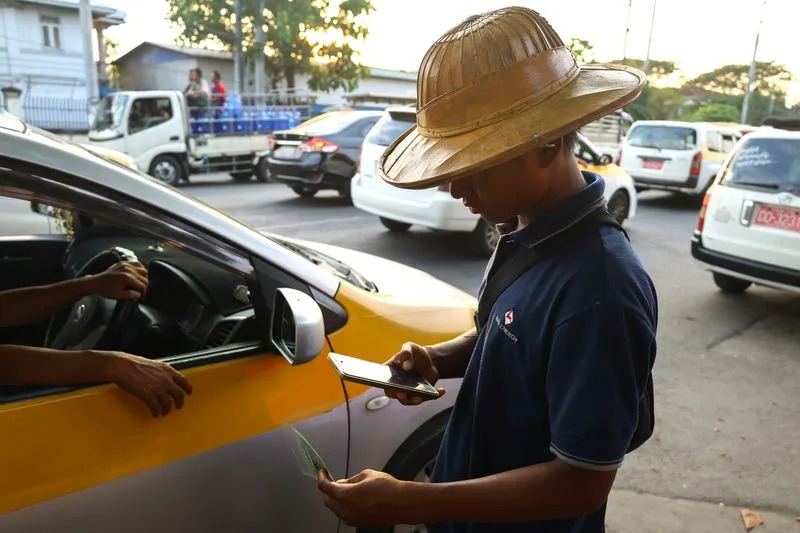
A worker uses a smartphone to scan a QR code to check a vehicle's eligibility to receive a fuel refill at a gas station amid the U.S.-Israeli war on Iran, in Yangon, Myanmar, March 20, 2026. REUTERS/Stringer
"Occasionally, after queuing in town for two days, we've had instances where we could only buy five or six litres," said a delta farmer. "But if we don't harvest the paddy in time, the crops will be destroyed, so we have to bear any cost."
Fertiliser Shortages and Food Security Risks
Over the past three years Iran became Myanmar's main source of urea fertiliser, supplying an estimated 400,000–600,000 tonnes annually. Disruptions to those imports, combined with higher fuel costs, threaten planting and harvesting operations.
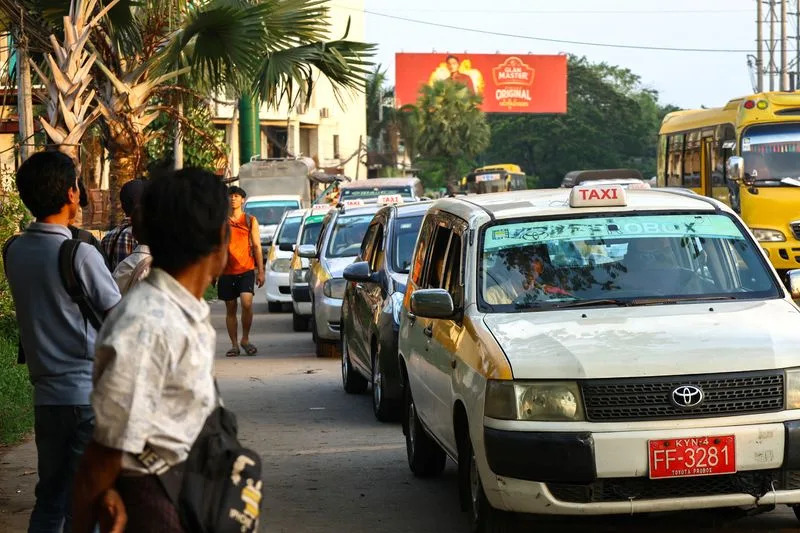
Drivers queue to fill fuel at a gas station amid the U.S.-Israeli war on Iran, in Yangon, Myanmar, March 20, 2026. REUTERS/Stringer
The United Nations' World Food Programme says 12.4 million people in Myanmar—around a quarter of the population—already struggle to find enough food. UN agencies warn that rising input costs and limited access to machinery could cause production to fall, drive food prices up and trigger major post-harvest losses.
Government Response and Wider Impact
Anticipating shortages, Myanmar's ruling junta introduced petrol rationing early in March using QR codes to limit daily refills for private vehicles. The policy has produced long queues and left many motorists with only a fraction of the fuel they need. The government also said it has a stockpile sufficient for about 50 days and ordered state employees to work from home on Wednesdays to curb consumption.
Domestic airlines that relied on Iranian jet fuel have suspended routes or imposed strict baggage limits; fares on remaining services have risen sharply. For farmers who have relied on mechanised equipment for years, reverting to animal labour is not a practical short-term alternative.
"Nowadays, we are practically waging a war just to get some fuel," said Win Zaw, underscoring how critical fuel access has become to smallholders.
UN food and agriculture experts say immediate interventions are needed to prevent a significant drop in output and widespread losses after harvest, which would further worsen food insecurity in the country.
(Reporting by Reuters staff; Additional reporting and writing by Devjyot Ghoshal; Editing by Clarence Fernandez)
Help us improve.