Key takeaway: Reported use of Tehran’s compromised street cameras in the Feb. 28 operation that killed Ayatollah Ali Khamenei underscores a new battlefield vulnerability: poorly secured, internet-connected CCTV networks can be hijacked and, with AI, turned into rapid targeting systems. Experts warn that authoritarian surveillance apparatuses intended to suppress dissent can become liabilities in conflict, and that patching billions of exposed devices is a persistent challenge.
When Surveillance Backfires: Tehran’s Cameras Allegedly Used To Target Ayatollah Khamenei
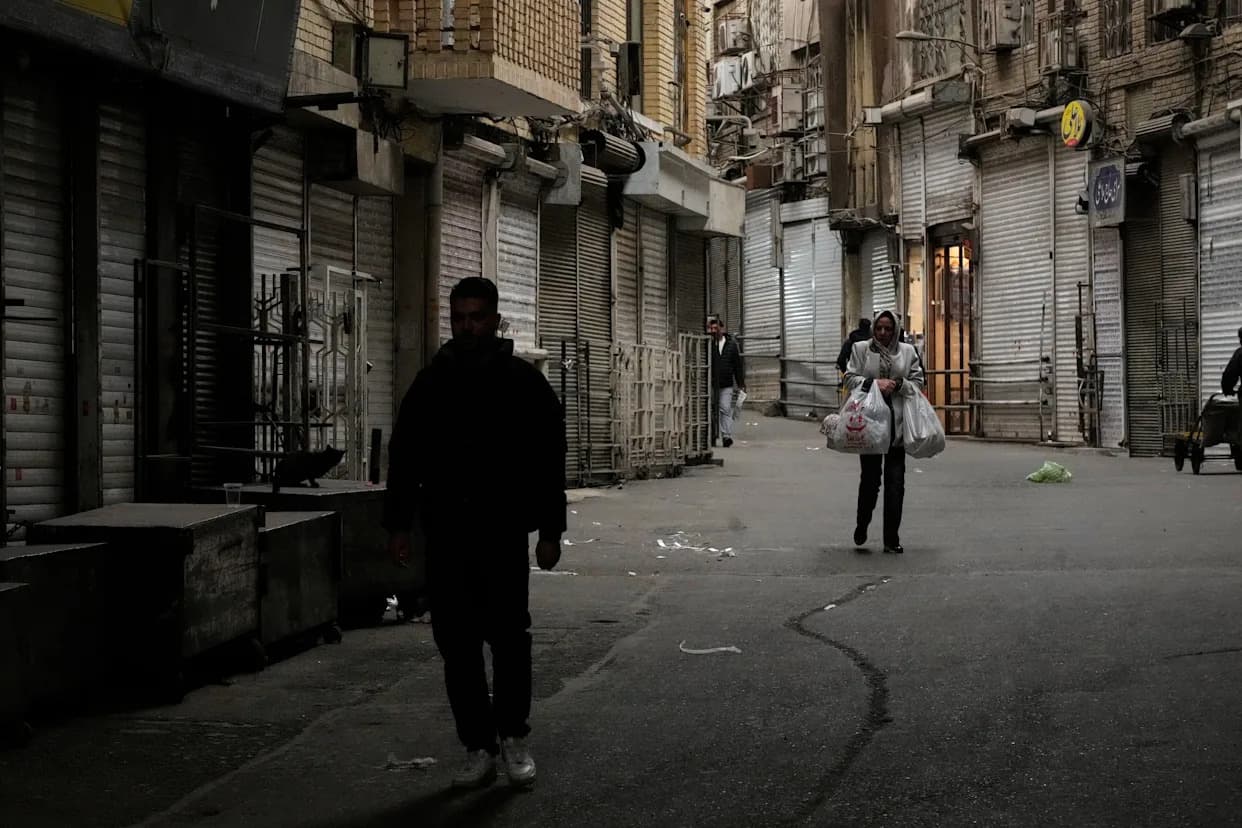
A woman carries her groceries as people walk along the mostly empty Tehran traditional main bazaar, where most shops are closed, in Tehran, Iran, Tuesday, March 10, 2026. (AP Photo/Vahid Salemi)
Tel Aviv — According to interviews and an Associated Press review of leaked data, public statements and news reports, Israeli operatives reportedly used Tehran’s own street cameras to help locate Ayatollah Ali Khamenei in the Feb. 28 operation that killed Iran’s supreme leader. The case highlights a growing vulnerability in modern warfare: mass surveillance systems can be hijacked and weaponized.
How A Domestic Surveillance Network Became A Risk
Millions of surveillance cameras now hang above shops, in homes and at intersections around the world. Many are connected to the internet and configured with minimal security. Iran, which installed tens of thousands of cameras across Tehran following waves of protest, has long used the systems to monitor dissent — including facial-recognition checks on hijab compliance in subway stations. But those same systems have been repeatedly compromised since 2021, according to public reports and statements by Iranian officials.
Allegations, Attribution And Sources
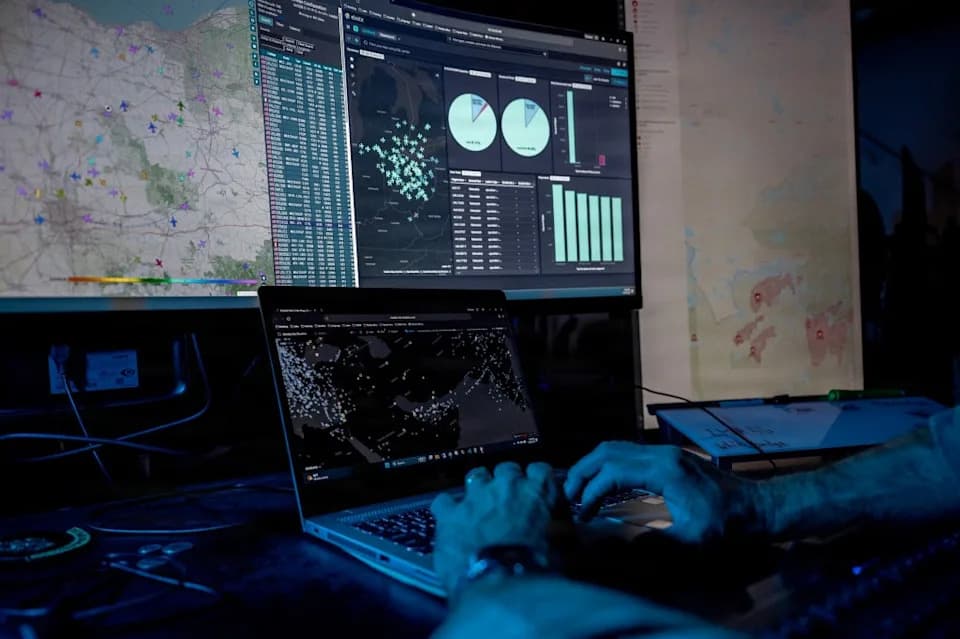
Multiple anonymous sources told the AP that compromised camera feeds were one of several intelligence streams used in the operation targeting Khamenei. An intelligence official and another person briefed on the operation said hacked traffic cameras were routed to servers outside Iran and that at least one camera offered an angle useful for tracking arrivals and parking near the leadership compound. Algorithms reportedly helped extract addresses, routines and details about security personnel.
Why Cameras Are Easy Targets
Security researchers say many cameras are trivially easy to hack: default or weak passwords, outdated firmware, pirated operating systems and poorly maintained networks create numerous vulnerabilities. Even systems on air-gapped networks can be breached by insiders. Paul Marrapese, a security engineer who demonstrated sweeping vulnerabilities in 2019, said scans this year found nearly three million exposed camera feeds worldwide, including almost 2,000 in Iran.
The Role Of AI And Automation
Advances in artificial intelligence have removed a major technical bottleneck: the time-consuming task of searching hours of footage for a single person or vehicle. Modern algorithms can index and search many feeds in near real time, identify faces or license plates, and flag likely matches. Experts warn that combining easy access with powerful AI turns ordinary CCTV networks into effective targeting tools.
“The irony is that the infrastructure authoritarian states build to make their rule unassailable may be what makes their leaders most visible to the people trying to kill them,” said Conor Healy, director of research at IPVM.
Precedents And Regional Impact
Weaponized camera hacks are no longer hypothetical. Reports say Hamas used breached cameras in southern Israel ahead of its Oct. 7, 2023 attack, and officials in Ukraine and elsewhere have reported attempts to take over cameras near high-value targets. Check Point Research has recorded spikes in camera-targeting activity since the start of the regional conflict, including attacks attributed to Iran aimed at Israel and Gulf states.
Defensive Limits And Policy Responses
Authorities and cybersecurity agencies are urging camera owners to change default passwords, apply patches and adopt stronger security hygiene. Israel’s National Cyber Directorate said it warned hundreds of camera owners believed to be targeted by Iran. Still, experts call the problem a “whack-a-mole”: with billions of cameras worldwide and hundreds of millions added yearly, fully securing every device is a persistent and resource-intensive challenge.
Analysts and regional officials say the episode is a wake-up call: surveillance infrastructure designed to control domestic populations can be repurposed in wartime, with grave consequences for both civilians and leaders.
Help us improve.