Summary: Widespread protests have erupted across Cuba amid blackouts and shortages, and demonstrators have targeted state symbols and institutions. While some U.S. leaders have likened Cuba’s crisis to Venezuela’s, the two countries differ fundamentally in history, political structure and economic makeup. Cuba’s long-standing one-party system, misallocated investments in tourism over infrastructure, and lack of an experienced opposition complicate prospects for externally driven regime change. The diaspora is divided, and the future remains uncertain.
Cuba Is Not Venezuela: Why Applying a Venezuela Playbook to Cuba Is Misguided
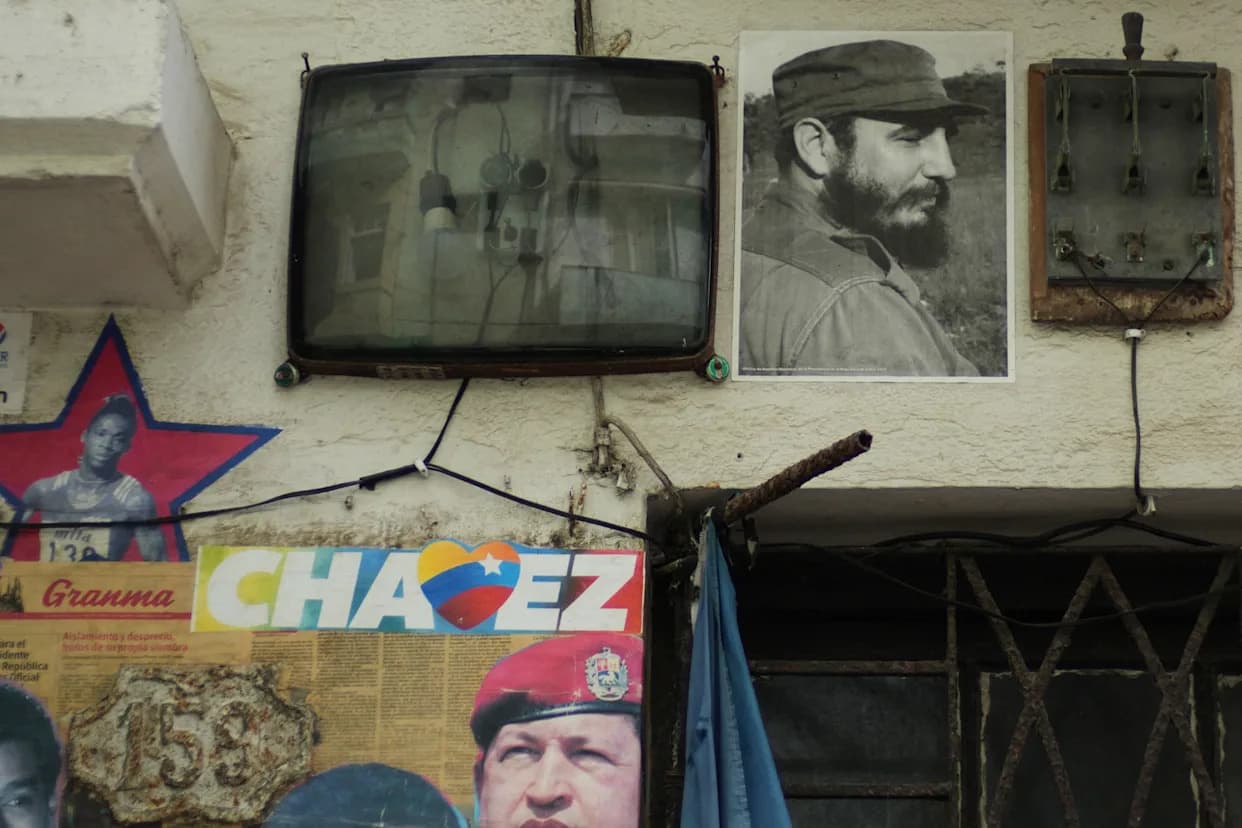
Cuba is convulsing with protest: piles of trash set alight, pots and pans rattled in the streets, and nightly chants of “¡Libertad!” from Havana to Santiago de Cuba, Matanzas and smaller towns across the island. The sound can at times resemble Carnaval — a rough percussion, the metallic ring of improvised claves punctuating chants, shouts and cries.
Last week in Morón — a town whose residents largely work at resorts reserved for foreign tourists on nearby Cayo Coco and Cayo Guillermo — a group of locals crossed a rare line: they attacked the provincial headquarters of the Communist Party. Demonstrators burned portraits and other Revolutionary symbols. The authorities quickly mobilized supporters and deployed paramilitary units, while federal police carried out harsh crackdowns across the island. These events have unfolded against a backdrop of widespread blackouts and shortages exacerbated by an oil blockade.
What Happened — And Why It Matters
The protests are notable not only for their scale but for their intensity and the range of tactics used by both sides. In some towns protesters have openly confronted state institutions; in others, the security response has been severe. The government has also signaled a willingness to court investments from the diaspora, creating a new and uncertain dynamic: the prospect of exiles investing in their homeland even as many on the island demand political change.
Why Cuba Is Not Venezuela
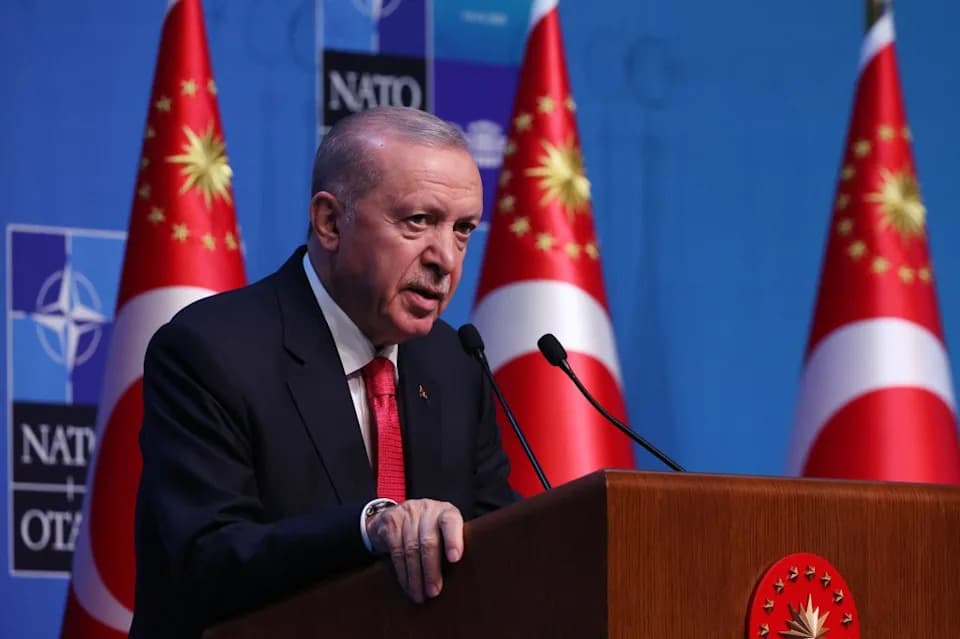
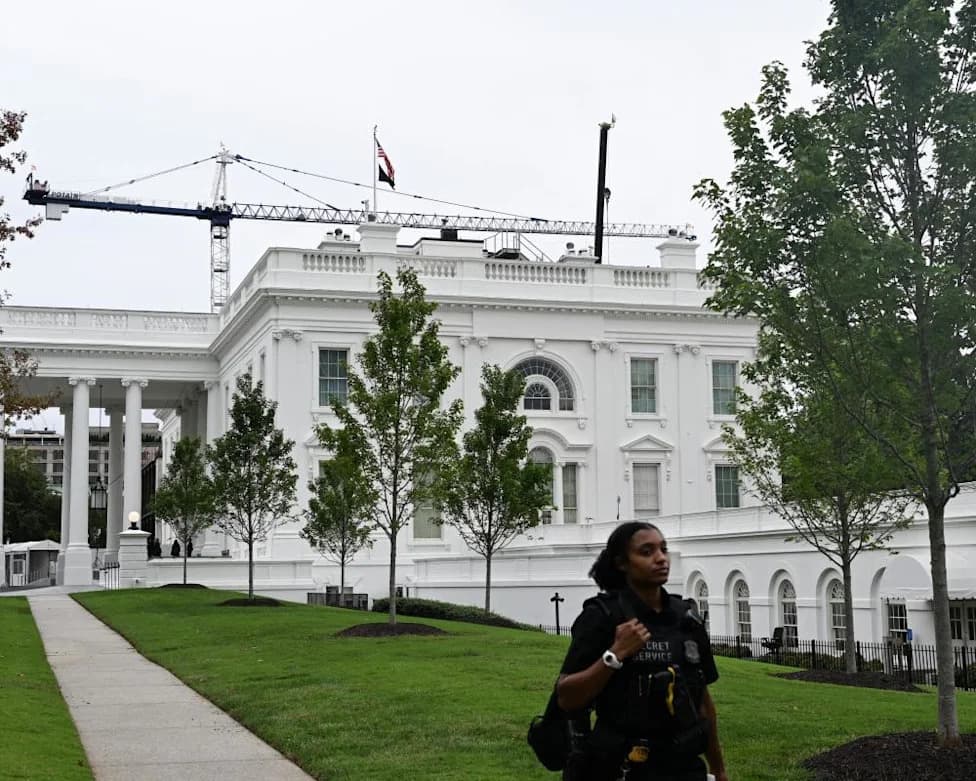
Some U.S. officials and commentators — including President Donald Trump and Senator Marco Rubio — have framed Cuba’s crisis through the same lens used for Venezuela. That analogy is attractive because it offers a familiar playbook, but it obscures major differences.
- Historical Entrenchment: Cuba’s revolutionary government has been in power since 1959. Most Cubans have no lived memory of another system. Venezuela’s Bolivarian project began in 1998, and many Venezuelans vividly recall earlier decades of greater material abundance.
- Economic Structure: Venezuela’s crisis is centered on oil — an export-oriented economy vulnerable to price shocks and corruption in the petroleum sector. Cuba has more limited oil resources and a more diversified, state-centered economy that historically relied on substantial subsidies from the Soviet Union and, later, Venezuela.
- Political System: Cuba’s one-party system is institutionalized in ways that differ from Venezuela’s more pluralistic, if contested, political landscape. Dissent in Cuba is frequently criminalized under vague provisions such as “dangerousness,” and opposition figures face opaque legal risks that suppress public political organizing.
Economic Roots And Policy Choices
The collapse of Soviet support in the early 1990s and later reductions in Venezuelan aid inflicted deep damage on Cuba’s economy. Yet analysts point to policy choices that exacerbated the crisis: large investments in tourism and resorts were prioritized over repairs to the electrical grid, power plants and rural schools. In the 1990s, more than $3.5 billion — roughly a fifth of Cuba’s investments that decade — flowed into tourism infrastructure instead of basic services and energy systems. The pandemic then decimated visitor arrivals, leaving a tourism-dependent sector ill-equipped to sustain livelihoods.
Leadership, Succession And The Limits Of Opposition
Cuba lacks a clear, unified opposition with governing experience. Many dissidents have been marginalized, jailed or pushed into exile. Those who remain generally lack the administrative experience needed to manage a complex transition. Names floated as potential successors to current leadership — including figures tied to the existing power structure — raise concerns that any change could be cosmetic rather than transformative.
The Diaspora And Competing Visions
Cuban communities off the island are deeply divided. Some dream of rapid economic liberalization and strong U.S. involvement; others fear a repeat of colonial patterns in which outside powers name leaders and control resources. There are also voices — particularly among working-class Cubans — who prioritize immediate economic relief over an idealized democratic transition. Songs, slogans and social media capture the spectrum of hopes and fears: from imagining bridges of commerce between Miami and Havana to asking whether fast-food chains or foreign investment would actually deliver political rights.
“No one should be chosen, named to lead, by powers outside Cuba,” said Ramón Saúl Sánchez, leader of a Miami exile group. “That would be like going back to the colonial period.”
Personal Memory And The Stakes Of Change
The article’s narrator recalls a family escape from Cuba by boat in 1963 and later returns to the island in the 1990s. Those memories underscore the emotional stakes for exiles who long for change but worry about the price of foreign-led interventions. The central concern is not only who governs but what happens after any transition: will the economy improve, will fundamental rights be protected, and will ordinary Cubans retain sovereignty over their future?
Conclusion — An Uncertain Future
The situation on the island is fluid and fraught with risk. Analogies to Venezuela simplify a far more complicated set of social, economic and political realities. Any meaningful change will require careful attention to Cuba’s unique history, its entrenched institutions, and the lived needs of its people — and it must be led primarily by Cubans themselves. For now, the most immediate priorities are protecting civilians, restoring basic services, and creating space for inclusive dialogue about the country’s future.
Help us improve.