The Iran-centered conflict has sharply lifted global oil and gas prices by threatening transit through the Strait of Hormuz and damaging regional energy infrastructure. Brent futures jumped from about $71 to roughly $110 per barrel this month, briefly hitting $119, and U.S. pump prices surged 33% in one month. The Trump administration has used SPR releases, sanction relief, a Jones Act waiver and increased military activity to ease the pain, but analysts say reopening the strait is the only comprehensive fix — and doing so by force risks prolonging and expanding the conflict.
Why Oil and Gas Prices Soared After the Iran War — What the Trump Administration Is Doing and Will It Work?
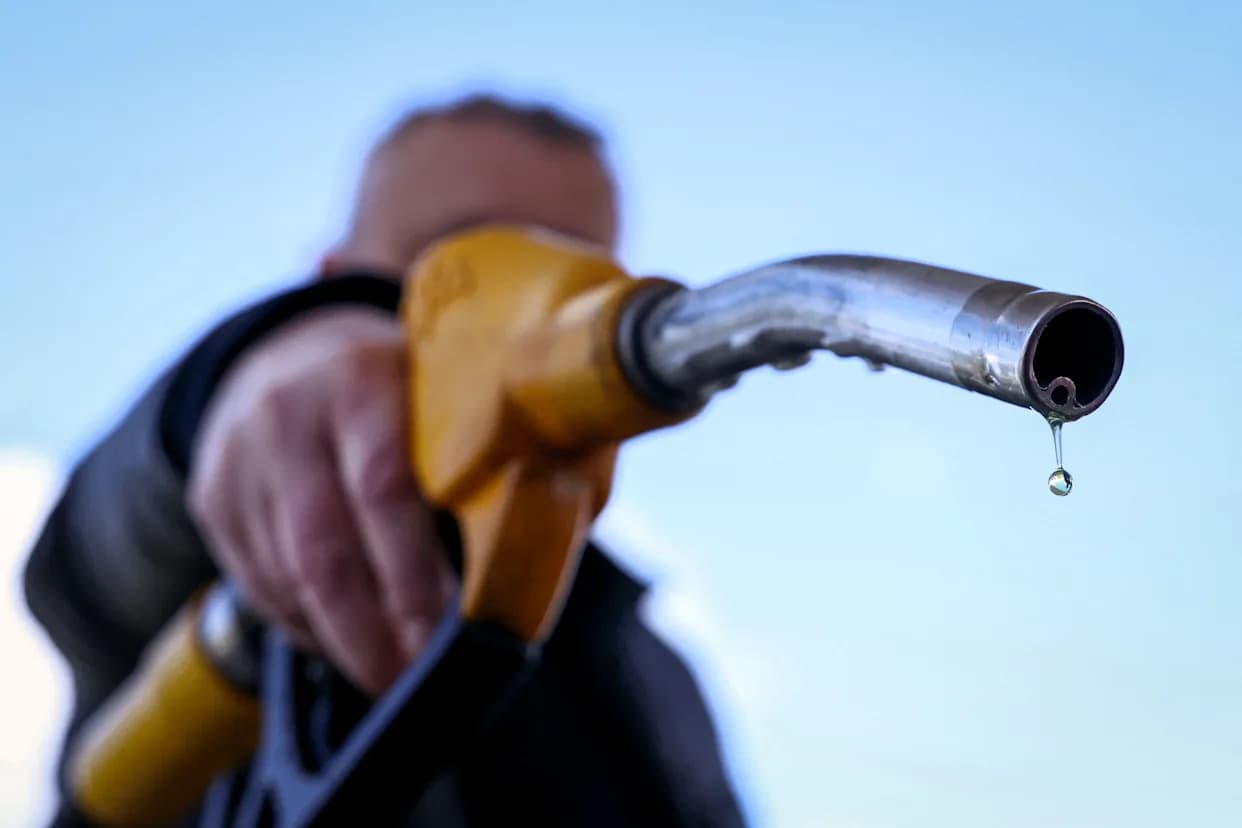
A drop of petrol falls from the nozzle of a petrol pump at a petrol station in Vélizy-Villacoublay, near Paris, on March 9, 2026, as Oil prices soared peaking just short of $120 a barrel as the US-Israeli war against Iran continued into a second week, with Tehran launching fresh retaliatory strikes in the Gulf. (Photo by)(Alain Jocard/AFP via Getty Images)
The Iran-centered conflict has sent global oil and gas prices sharply higher over the last few weeks, and the effects are already being felt at the pump and in store prices worldwide. This article explains what’s driving the spike, the actions the Trump administration is taking to blunt the impact, and the risks and likely outcomes going forward.
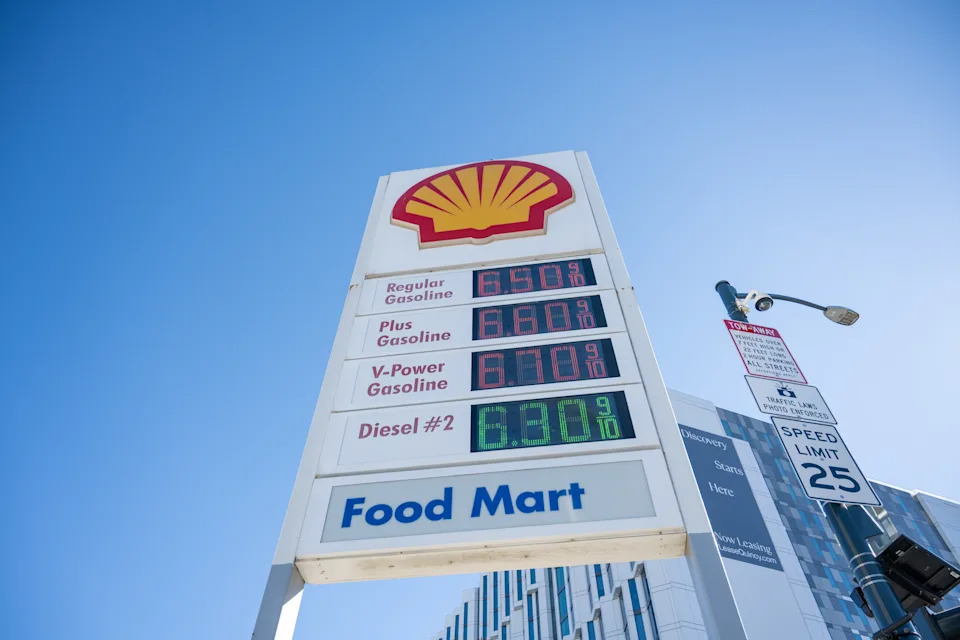
Shell gas station in San Francisco, California showing high gas prices, with Regular fuel priced at $6.50 per gallon on March 12, 2026.(Smith Collection/Gado/Getty Images)
How Bad Is the Price Spike?
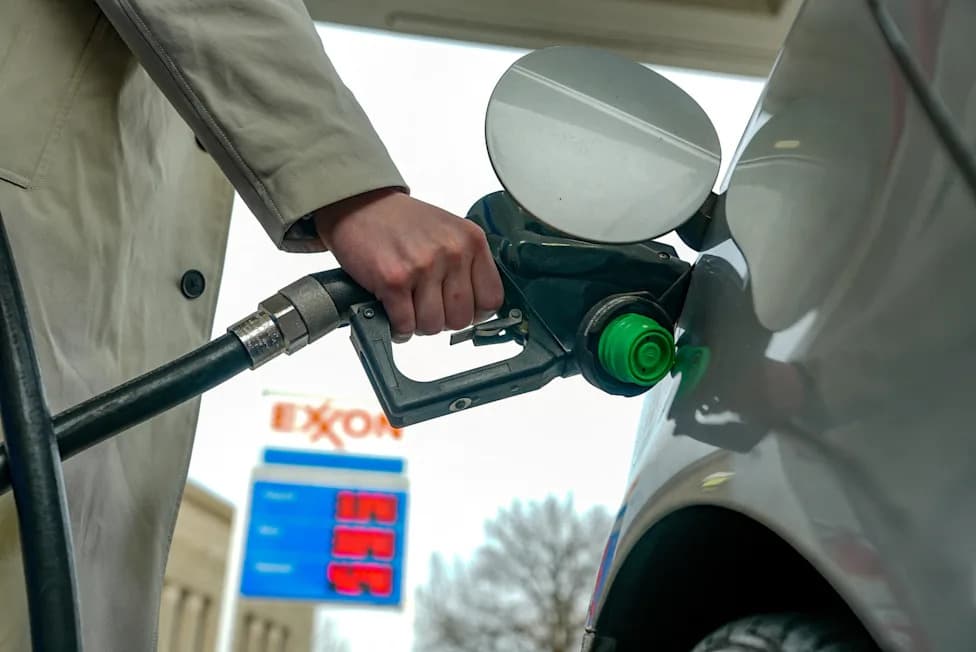
The international benchmark for crude oil, Brent, climbed from roughly $71 per barrel to about $110 per barrel in a month — a jump of roughly 54% — briefly touching $119 per barrel at its peak. In the United States, the average price for a gallon of regular gasoline rose from $2.93 to $3.91 between Feb. 20 and mid-March, a one-month increase of about $1.00 (33%), the largest monthly increase in three decades, according to the American Automobile Association (AAA).
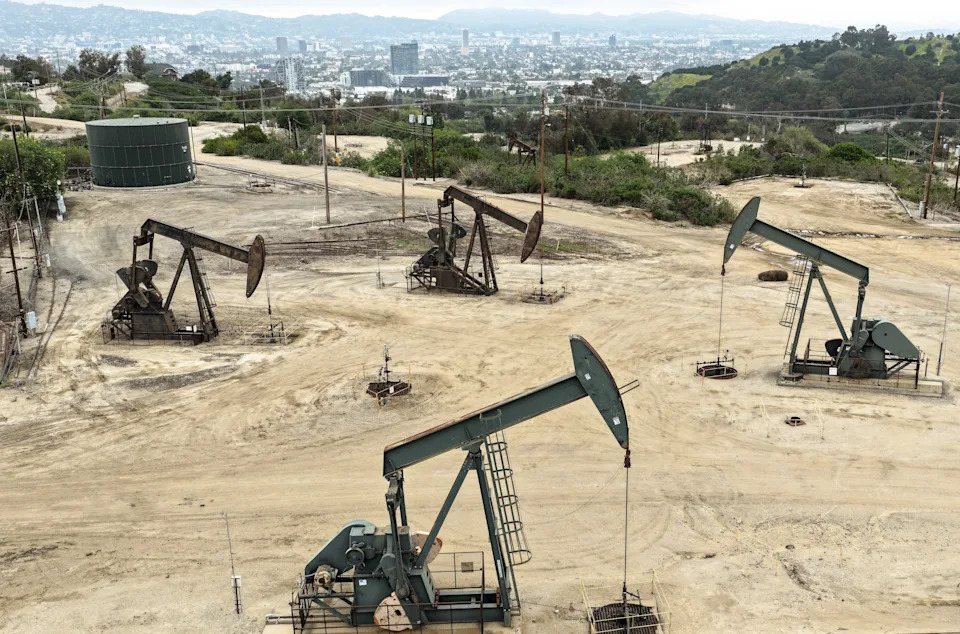
An aerial view as oil pumpjacks operate while others stand idle in the Inglewood Oil Field on March 10, 2026 near Los Angeles, California.(Mario Tama/Getty Images)
What’s Driving Prices Higher?
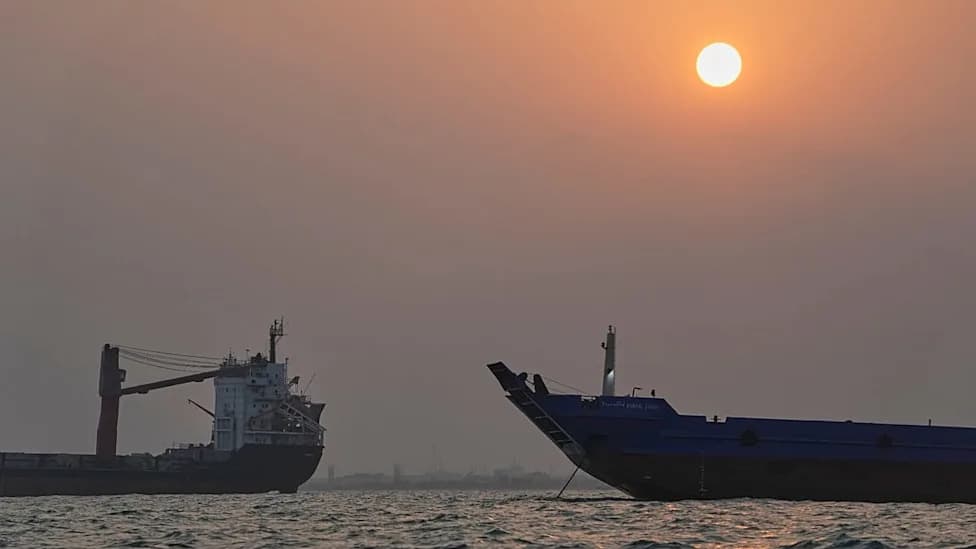
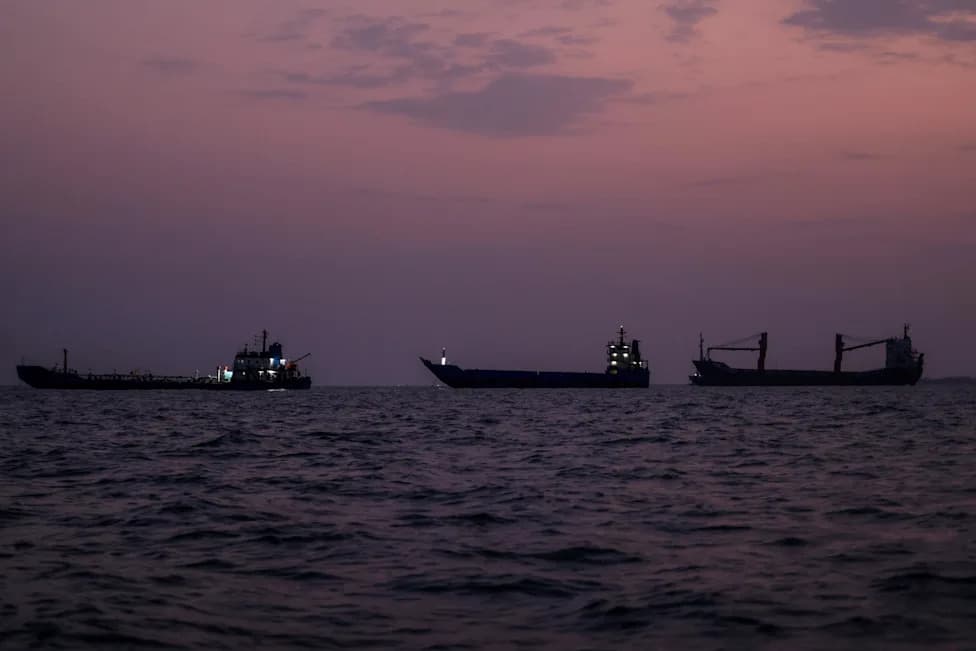
The Strait of Hormuz. Roughly one-fifth of global oil supply transits this narrow but vital waterway. Tehran’s threats to close the strait, plus U.S. reports that Iran has been placing mines and otherwise making the route hazardous, have deterred many non-Iranian vessels from transiting. The resulting disruption to Gulf exports has tightened global supply and pushed prices up.
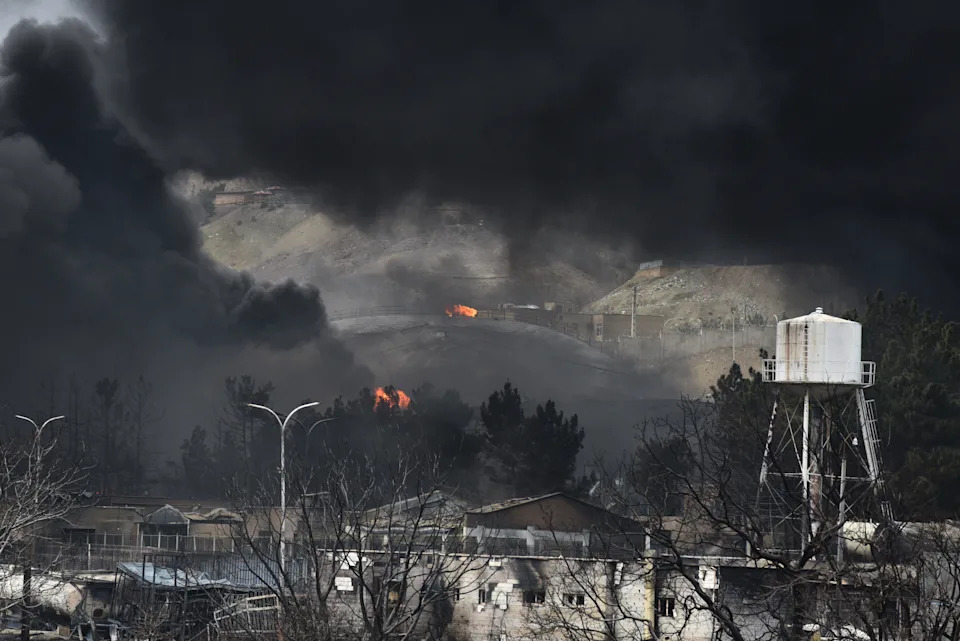
Plumes of smoke rise over the oil depot tanks hit by joint Israel-U.S. over night in a station north west of the capital on March 8, 2026 in Tehran, Iran.(Kaveh Kazemi/Getty Images)
Attacks on Regional Energy Infrastructure. Markets spiked after reports of strikes on major facilities. Iranian state media said airstrikes hit the South Pars gas field and nearby oil and petrochemical facilities near Asaluyeh; Qatar blamed Israel for that strike. Iran then reportedly carried out retaliatory attacks on energy infrastructure in Qatar, Kuwait, Saudi Arabia and the UAE, including heavy damage to Qatar’s Ras Laffan LNG terminal — together these incidents briefly sent Brent up toward $119 a barrel.
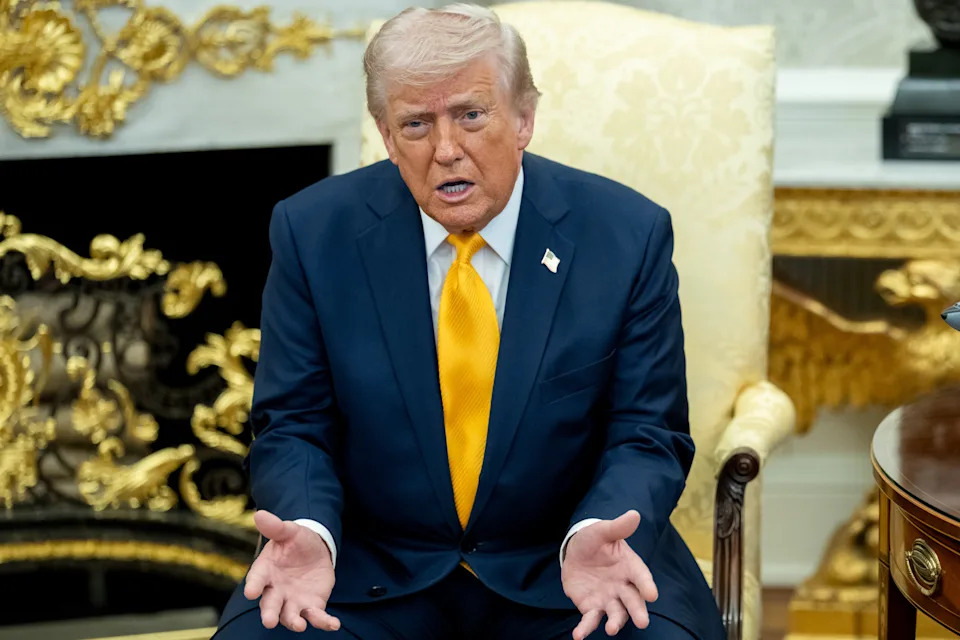
US President Donald Trump during a meeting on Thursday, March 19, 2026.(Aaron Schwartz/CNP/Bloomberg via Getty Images)
How the Trump Administration Is Responding
The administration has pursued a mix of supply-side and security measures aimed at lowering prices for U.S. consumers and stabilizing markets:
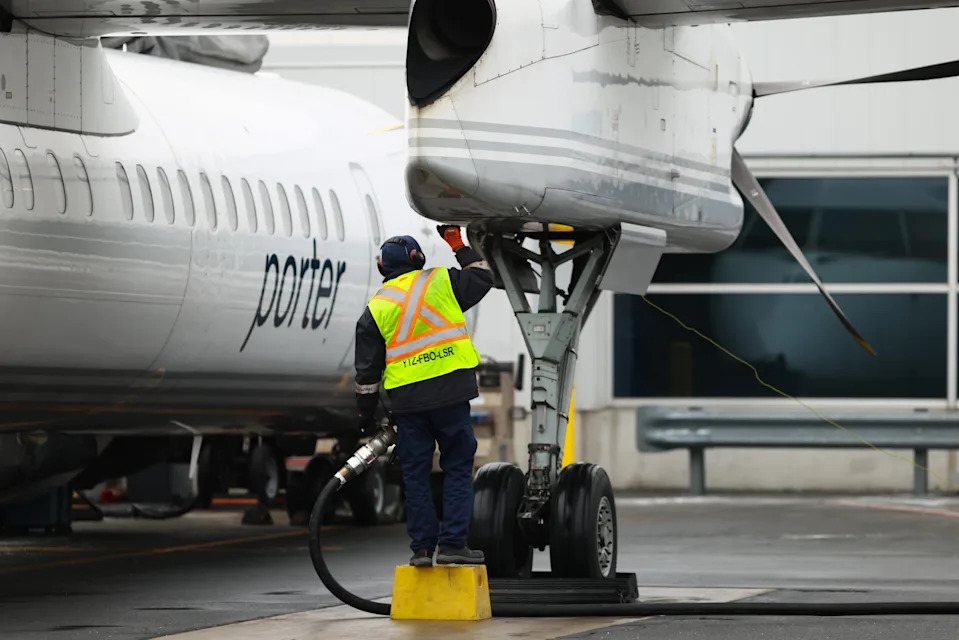
A Porter airplane refuels at Toronto Island Airport in Toronto, Ontario, Canada, on Wednesday, March 18, 2026.(Cole Burston/Bloomberg via Getty Images)
- Temporarily lifting some sanctions to allow additional Russian and Venezuelan oil onto markets;
- Releasing oil from the U.S. Strategic Petroleum Reserve (SPR);
- Encouraging increased domestic production, including calls to boost output off California’s coast;
- Temporarily waiving the Jones Act to ease coastal shipping constraints;
- Pressuring U.S. oil producers to supply more crude to markets; and
- Escalating military operations around the Strait of Hormuz — striking mine-laying vessels, engaging Iranian drones and ships, and dispatching additional Marines and warships to the region.
The administration has also publicly urged allies to provide naval escorts for merchant shipping; however, several countries (including Japan, Italy, Australia and Germany) have declined to commit ships, saying they will not join a combat role.
Military Options and Strategic Risks
Officials are reportedly considering more aggressive measures to reopen or secure the strait, including potential operations around Kharg Island, a key Iranian export hub. Such steps could force more Gulf oil back onto world markets — potentially easing prices — but they carry significant risks: expanded military commitments, the possibility of a prolonged conflict, and broader regional escalation.
“At the end of the day, there is only one real solution to the energy price issue, and that is to reopen the Strait of Hormuz and allow more oil supply onto world markets.” — Energy analyst quoted in The Hill
Broader Economic Effects
Higher oil prices reverberate across the economy. Transportation costs — by sea, road and air — rise, pushing up the cost of consumer goods and groceries. Jet fuel and heating costs increase, and industries that rely on natural gas (plastics, fertilizers, petrochemicals) face higher input costs that can translate into more expensive food and consumer products. Economists warn that the longer the disruption lasts, the larger the inflationary shock.
Outlooks and Projections
Analysts differ depending on how long the Strait of Hormuz remains effectively closed. Goldman Sachs analysts estimated that if the strait stays closed for more than two months, oil prices could remain above $110 per barrel through the end of 2027; if the strait reopens in April, prices could fall back toward pre-conflict levels by late 2026. Ultimately, reopening safe, reliable shipping through Hormuz is the most direct way to relieve pressure on global markets.
Bottom Line
Short-term measures (SPR releases, sanction adjustments, temporary regulatory relief) can help blunt price spikes, but analysts say only a return of Gulf oil flows via a secure Strait of Hormuz will comprehensively restore market balance. Any military attempt to guarantee that flow risks a broader, longer conflict — a strategic trade-off that will shape prices and economic impacts for months or years to come.
Help us improve.