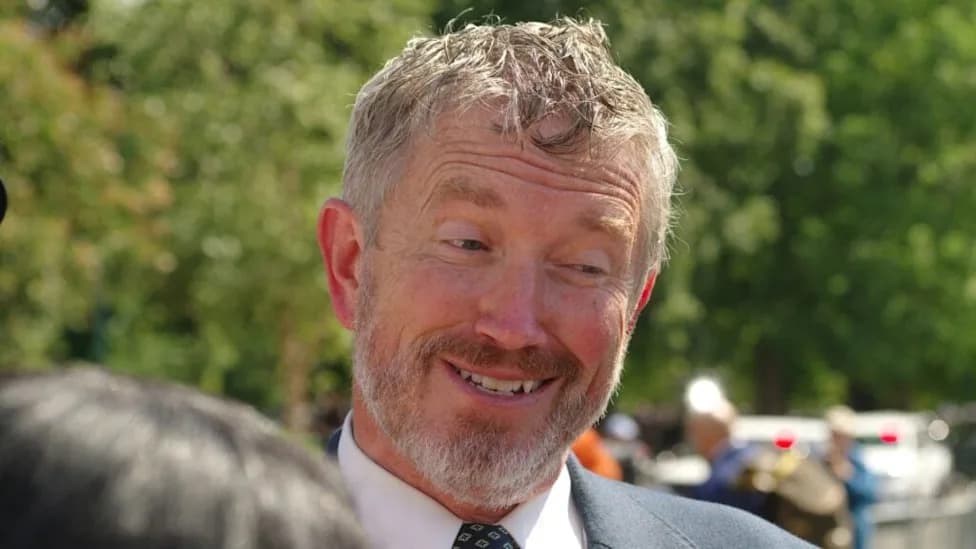
Rep. Kevin Kiley told Stephen A. Smith on SiriusXM that California does not require voters to show ID to register or vote, surprising the host and prompting discussion of federal election reform. The exchange came after the House passed the Safeguard American Voter Eligibility (SAVE) Act, which would require proof of citizenship in federal elections and now awaits Senate action. Kiley also criticized California policies for driving high gas prices, housing costs and taxes, and noted he became an independent after the state's November 2024 redistricting.
Stephen A. Smith Stunned as Rep. Kevin Kiley Says California Has No Voter ID Requirement — SAVE Act Spotlighted
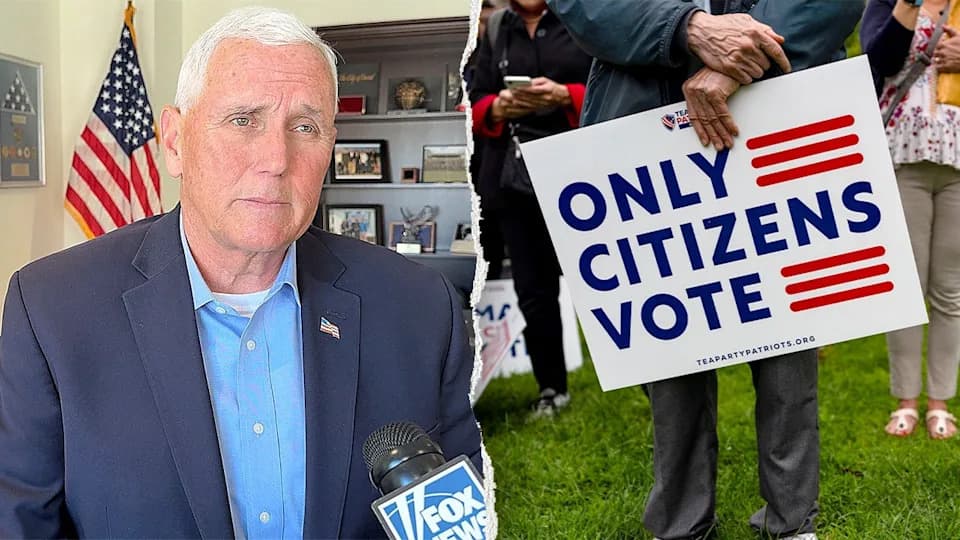
Former Vice President Mike Pence, pictured during a Fox News Digital interview March 18, 2026, in Washington D.C., is a strong supporter of the SAVE Act, a federal bill that would require strict voter ID and proof of citizenship requirements across the country.(Getty Images)
Rep. Kevin Kiley told host Stephen A. Smith on Thursday's edition of Straight Shooter with Stephen A. on SiriusXM that California does not require voters to show identification to register or to vote — a revelation that visibly surprised Smith and shifted the conversation to election integrity and federal reform.
Exchange on Voter ID and the SAVE Act
During the interview Kiley stated bluntly that "California does not have voter ID. You don’t need to present it to register. You don’t need to present it to vote." Smith reacted with disbelief: "What!? That’s why the SAVE Act has been proposed right there … the state of California," he said.
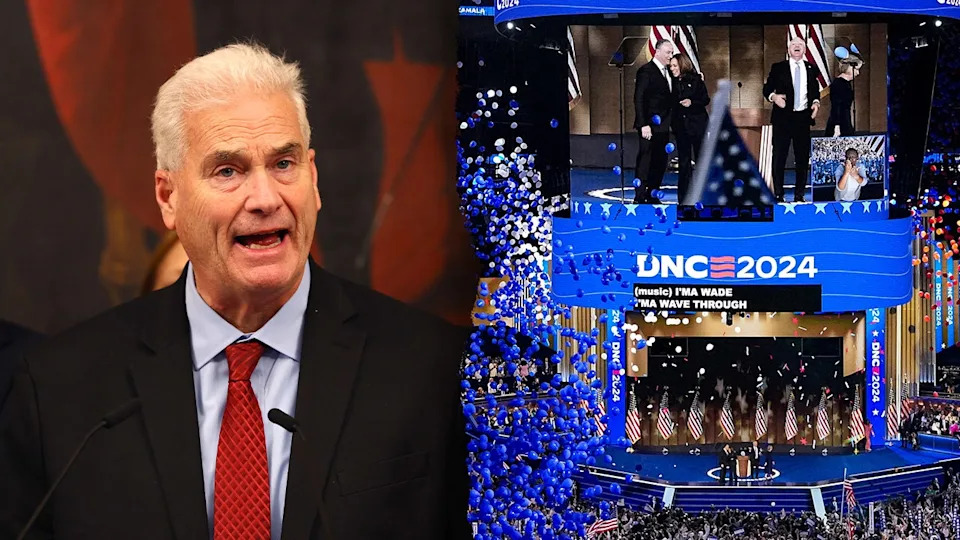
House Majority Whip Tom Emmer accused Democrats of hypocrisy for requiring photo IDs for the DNC but not supporting the SAVE America Act.
Kiley: "The state passed a law forbidding voter ID. Localities, cities and counties are not allowed to enact their own standards."
The exchange came after the House passed the Safeguard American Voter Eligibility (SAVE) Act, a bill that would require proof of citizenship to vote in federal elections and now awaits consideration in the Senate. Kiley framed California's approach as a key example Republicans will use to argue for national election reforms.
Broader Critique of California Policy
Kiley broadened the conversation to California's economy, arguing that state policy — not just global conditions — is driving high costs. He cited fuel prices and the cost of living as examples, saying: "We have $5.56 per gallon right now in California… nearly $2 higher than the national average."

Rep. Anna Paulina Luna is leading a push to get the SAVE Act attached to any government spending deal that Senate Minority Leader Chuck Schumer hashes out in the upper chamber.
He also pointed to high housing costs, electricity rates and taxes, asserting those pressures contribute to higher measured poverty once the state's cost of living is factored in.
Political Context
Kiley, who left the Republican Party and became an independent after California's new congressional maps from Proposition 50 were enacted in November 2024, noted the redistricting changes include much of his suburban Sacramento base.
Note: The remarks reported here reflect the statements made during the interview and the ensuing discussion. The SAVE Act remains pending in the Senate and the specific legal framing of California election rules was described by Rep. Kiley in the interview.
Help us improve.