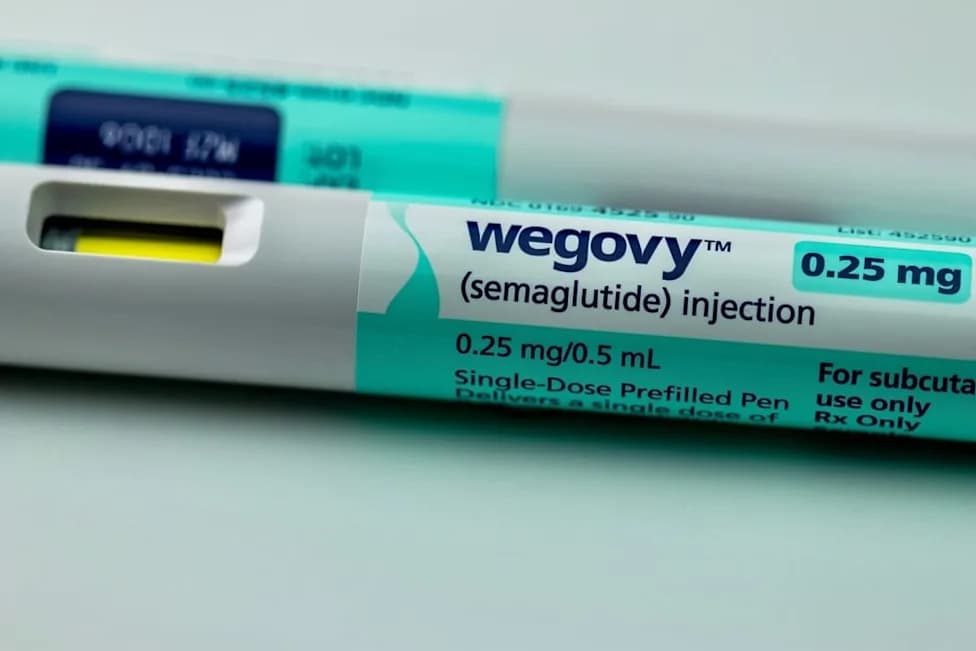
India's expiry of semaglutide patents opens the door to low‑cost generic Ozempic/Wegovy‑style injections, potentially making effective weight‑loss treatments far more affordable. Multiple Indian manufacturers are preparing rapid 'Day 1' launches, with analysts forecasting dozens of new brands and significant price reductions. While cheaper generics could expand access—especially in middle‑income countries and parts of Africa—experts stress that medication alone will not reverse the broader, complex public‑health challenge of obesity.
India to Flood Market With Low‑Cost Semaglutide Generics, Expanding Global Access to Obesity Treatments
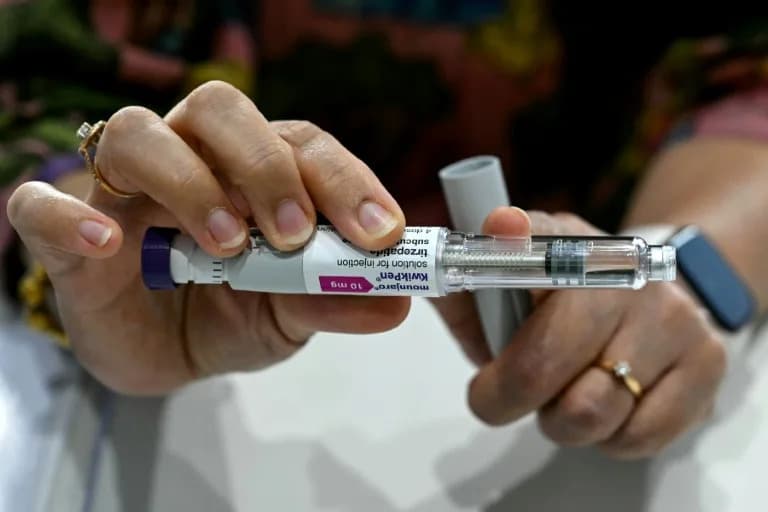
India's weight-loss drug sales are projected to soar to over half a billion by 2030 (Indranil MUKHERJEE)(Indranil MUKHERJEE/AFP/AFP)
India is poised to reshape the global fight against obesity after patents on semaglutide—the active ingredient in popular weight‑loss injections such as Ozempic and Wegovy—expired in the country. As the world’s largest supplier of generic medicines, Indian manufacturers are preparing to launch low‑cost generic versions, a change that could make effective treatments far more affordable across many middle‑income countries.
Rapid Launches Expected
Regulatory filings and compliance documents reviewed by AFP indicate at least four major Indian firms have ready-made generic semaglutide injections. Some companies, including Zydus Lifesciences, have signaled 'Day 1' launches, suggesting generics could appear on the market almost immediately. Research firm Pharmarack expects a flood of options, forecasting more than 50 brands from 40+ manufacturers.
Demand And Local Impact
Clinics in Mumbai are already seeing heavy interest. Endocrinologist Nadeem Rais reports more than 50 people visit his office weekly seeking injections and currently treats 70–80 active patients; he estimates that number could rise to 200 if prices fall. Bariatric surgeon Sanjay Borude notes that rising incomes and urban lifestyles in India have driven obesity rates upward: government data released in March shows about 24% of women and 23% of men are overweight or obese.
Prices, Access And Global Reach
High prices have been a major barrier: branded treatments in India typically cost around ₹15,000–22,000 ($160–$235) per month. Clinics and industry insiders expect generics could push monthly costs closer to ₹5,000 ($60), substantially widening access. Beyond India, semaglutide patents are scheduled to expire in 10 countries by the end of 2026, representing an estimated 48% of the global obesity burden. Given that India supplies more than half of Africa's generic medicines, cheaper semaglutide could be particularly impactful across the continent.
Industry And Market Trends
Companies such as Eli Lilly and Novo Nordisk have seen strong sales from branded GLP‑1 drugs; India's weight‑loss drug market rose tenfold to $153 million by 2026 and is projected to exceed $500 million by 2030. Indian firms are also targeting international markets: Dr Reddy's Laboratories aims to launch its semaglutide version in Canada by May 2026.
Safety, Limitations And Public Health Context
While semaglutide and related GLP‑1 drugs can produce significant weight loss, they can also cause side effects—including nausea and other gastrointestinal symptoms—and are not a standalone solution. Experts emphasize that medication must be paired with prevention strategies and healthier environments to address the complex, chronic disease of obesity.
"Lower‑cost semaglutide could significantly expand access to effective treatment particularly in middle‑income countries where price has been a major barrier," said Simon Barquera, president of the World Obesity Federation.
For many patients, lower prices could make treatment feasible. Forty‑six‑year‑old Sukant Mangal, who lost nearly 30 pounds in eight months, said several people he knew abandoned treatment when they faced roughly ₹20,000 per month for several months: 'Had it been cheaper, it would've been much easier to have it.'
Help us improve.