Niseko's global popularity has pushed Hirafu land prices up roughly 70% between 2020 and 2025 and inflated the cost of living for many locals. Seasonal foreign workers swell Kutchan's winter population to about 3,000, creating economic benefits but also social tensions, littering complaints and housing strains. The national government is proposing stricter immigration and foreign land rules even as mayors stress the town's economic gains and Japan's continued need for foreign labor amid a falling birth rate.
Niseko's Powder Dream Turns Pricey: Global Demand Strains Hokkaido Ski Town
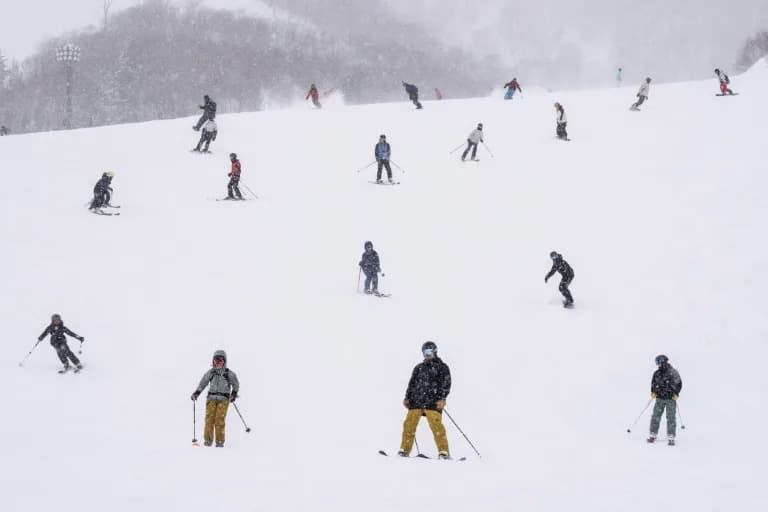
The ski resorts on the northern end of Japan's Hokkaido gained popularity after the 9/11 terrorist attacks saw travellers try to avoid the United States (Yuichi YAMAZAKI)(Yuichi YAMAZAKI/AFP/AFP)
Beneath the famed powder of Niseko, the internationally beloved Japanese ski resort, residents are growing anxious as surging demand from tourists, investors and seasonal workers pushes up property and living costs.
Once a quieter ski area developed in the 1960s on Hokkaido, Niseko attracted Australians and New Zealanders in the 1990s and gained broader global appeal after 2001. Early visitors opened businesses and bought property; later waves of investors from across Asia and beyond further accelerated price growth.
Rising Prices and Foreign Investment
In Hirafu, one of Niseko's four ski areas, land prices jumped about 70% between 2020 and 2025. Local real-estate director Hiroshi Hasegawa says the resort's international reputation grew in part thanks to the tastes and sensibilities of Australians and New Zealanders, and now "funds based in tax havens and all kinds of investors" are pouring money into the area, including celebrities and multinational owners buying second homes.
Impact On Locals
For year-round residents, the gains have a bitter side. "Land is being sold at prices that are no longer affordable for locals," says 42-year-old painting contractor Masatoshi Saito. Supermarket shelves now carry luxury items such as sea urchin and Dom Pérignon, while everyday produce has become more expensive, prompting some locals to shop in neighbouring towns.
Smaller local businesses struggle to match higher wages offered by hotels and restaurants trying to attract staff. "In construction, paying that much is very difficult because market prices are fixed. Raising wages is a huge risk for bosses," Saito says. Hasegawa warns of knock-on effects: care workers sometimes choose better-paying hotel jobs, creating risks of labour shortages in social services.
Seasonal Workforce And Community Strain
Tourist demand brings thousands of seasonal workers each winter, most from abroad. In nearby Kutchan the non-Japanese population doubles in winter to around 3,000 people from roughly 70 countries, approaching nearly 20% of residents. Mayor Kazushi Monji notes the lively atmosphere this creates, but also concedes that cultural differences, language barriers and problems such as littering have strained neighbourly relations.
A plan approved last autumn to build housing for 1,200 foreign workers sparked public outcry, reflecting local anxieties about rapid change and community impact.
Political Response And Policy Proposals
Against a backdrop of rising anti-immigration sentiment—illustrated by gains made by the far-right Sanseito "Japanese First" party—Prime Minister Sanae Takaichi has proposed tougher measures under the banner of "harmonious coexistence." The government is looking at stricter entry checks, limits on lengths of stay, stronger enforcement against illegal work and tighter rules on land purchases by foreigners, citing national-security concerns.
Mayor Monji accepts the need to update laws to reflect new realities but rejects the idea that foreigners could "take over," emphasizing that Niseko's global profile "boosts the economy and greatly contributes to the town's development." With Japan's births falling for a tenth consecutive year in 2025, local officials note the country still needs foreign workers to sustain many industries.
Looking Ahead
Hokkaido now shows stark contrasts: some communities saw the sharpest land-price rises in the country last year because of tourism and foreign investment, while others continue to decline due to depopulation. The challenge for Niseko and towns like Kutchan is balancing economic benefits with quality of life for residents—finding ways to share the region's appeal globally while maintaining affordability and social cohesion locally.
"If we want to share the beauty of this region with the whole world, we must move beyond nationality divides," Mayor Monji said.
Help us improve.