Key takeaway: Mixed messaging from the Trump administration — including remarks by Sen. Marco Rubio, the resignation and accusations of Joe Kent, and President Trump’s denial of U.S. involvement in strikes on the South Pars gas field — has amplified narratives that Israel is the principal driver of the Iran escalation. Conflicting accounts from U.S. and Israeli sources, and uneven official explanations, risk lasting damage to Israel’s standing with the American public.
How Trump Administration Messaging Is Deepening Damage To Israel’s U.S. Image
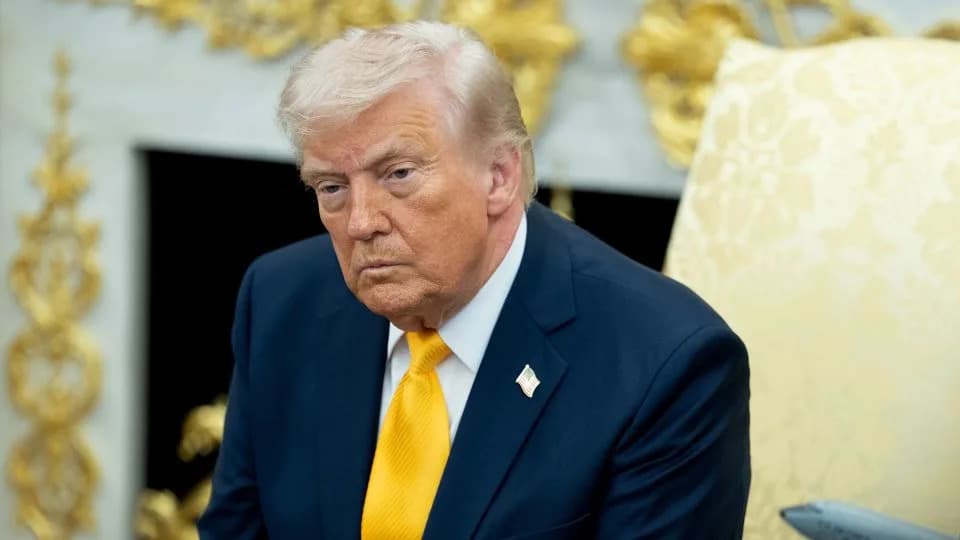
President Donald Trump sits in the Oval Office on Thursday, during a meeting with Japanese Prime Minister Sanae Takaichi. - Aaron Schwartz/CNP/Bloomberg/Getty Images
President Donald Trump’s public statements and mixed messaging about the Iran conflict have intensified worries about Israel’s reputation in the United States at an already fragile moment for bilateral ties.
A Fraught Starting Point
On the day before the initial strikes, Gallup polling showed American sympathy for Israel at a 21st-century low; for the first time in recent polling, Americans did not express greater sympathy for Israelis than for Palestinians. That weak baseline meant any confusing or accusatory rhetoric could quickly sour public perceptions further.
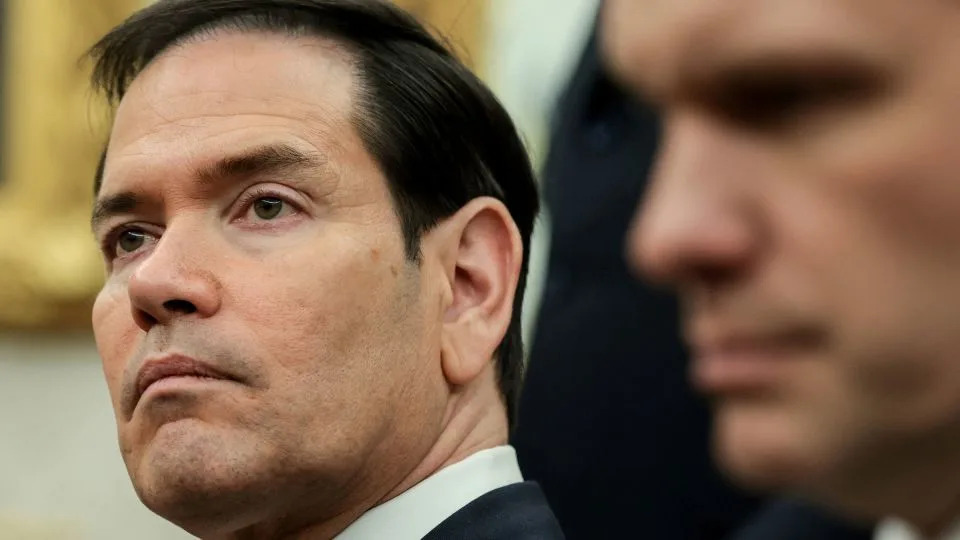
Secretary of State Marco Rubio attends a meeting between President Donald Trump and Japanese Prime Minister Sanae Takaichi. - Evelyn Hockstein/Reuters
Rhetoric That Shifts Blame
Senior U.S. voices have at times framed Israel as the primary engine of escalation, even when evidence is ambiguous. Sen. Marco Rubio argued publicly that Israel would strike Iran regardless and that Iran would likely retaliate against U.S. targets—an argument intended to justify U.S. concern, but one that also suggested the United States was being pushed into a broader confrontation.
More recently, outgoing National Counterterrorism Center Director Joe Kent resigned and in his public comments blamed "pressure from Israel and its powerful lobby" for influencing U.S. policy. In interviews, he expanded on those allegations, feeding conspiracy narratives that have already taken hold on parts of the right.
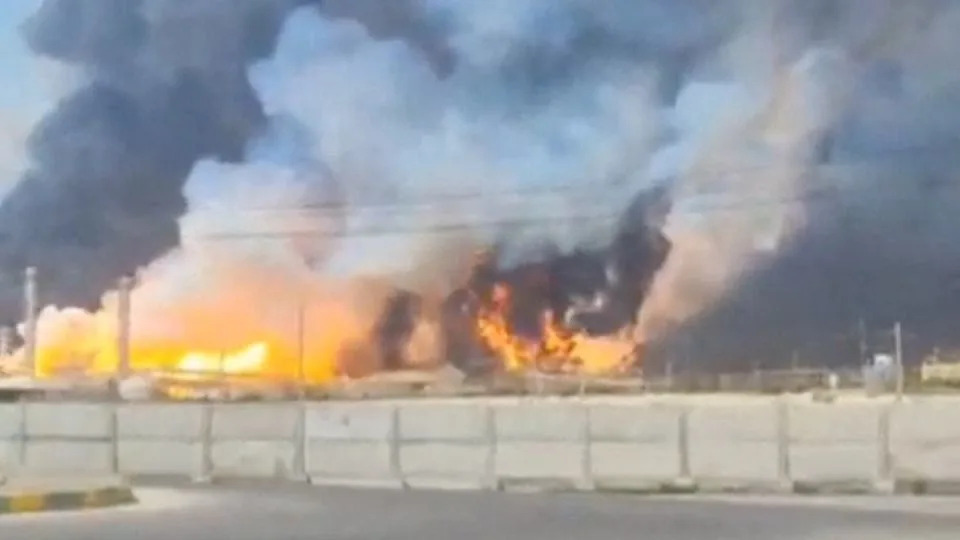
Smoke and fire rise near the South Pars gas field following an attack in Bushehr Province, Iran, on Wednesday, in this screengrab obtained from a social media video. - Reuters
Trump’s Denials And The South Pars Incident
Late on a Wednesday night, President Trump posted that "The United States knew nothing about this particular attack" in reference to major strikes on facilities linked to Iran’s South Pars gas field. The strikes prompted Iran to hit Qatar’s share of the field, raising regional tensions and threatening global energy supplies given South Pars is one of the world’s largest gas reservoirs.
That categorical denial has been disputed: U.S. and Israeli sources told media outlets that Washington was at least aware of the operation and that elements of the strike were coordinated. Whether or not Washington was fully informed, the president’s framing — which portrays Israel as the principal actor and the U.S. as a reactive bystander — has reinforced narratives that Israel is driving the conflict.
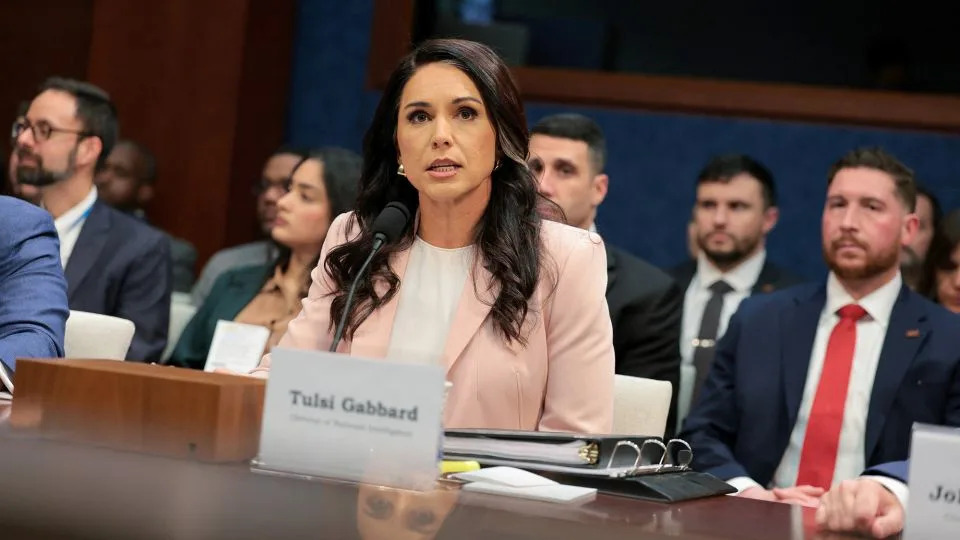
Director of National Intelligence Tulsi Gabbard testifies before a US House Intelligence Committee hearing on Thursday. - Kylie Cooper/Reuters
Official Responses And Mixed Signals
Prime Minister Benjamin Netanyahu publicly said Israel "acted alone" in striking a processing facility linked to South Pars while denying that Israel had forced the United States into war. The White House response has been uneven: some spokespeople offered evasive language about coordination and objectives, while other administration figures have emphasized U.S. independence from Israeli operational decisions.
At congressional briefings and the Pentagon, reporters and lawmakers pressed officials for clarity about who knew what and when. Intelligence officials suggested there is a body of evidence indicating that, in the event of a broader Iran-Israel conflict, the U.S. could be attacked quickly—an intelligence assessment used to justify heightened U.S. concern.
Why Messaging Matters
The combination of weak public support for Israel, high-profile accusations from within the U.S. government, and contradictory statements from the president has created fertile ground for suspicion, conspiracy theories, and long-term reputational damage. Even if operational coordination between U.S. and Israeli forces occurred, public disclaimers and inconsistent explanations can make it appear otherwise.
Conclusion
Clear, consistent communication is essential in crises that affect public opinion and allied relationships. By offering shifting explanations and occasional denials, the administration has complicated the U.S.-Israel relationship and risked deepening skepticism about Israel among American audiences—a reputational cost that could persist long after the immediate conflict subsides.
Help us improve.