Mexican authorities say 11 people were killed during a Culiacán raid that led to the capture of Omar Oswaldo Torres, leader of the Los Mayos faction of the Sinaloa Cartel. The navy reported seizing high-powered weapons and released a woman identified as Torres's daughter after finding no criminal links. The operation follows recent regional actions, including arrests in Ecuador and Colombia and the killing of "El Mencho" in Jalisco. Experts warn that "decapitation" tactics can fuel further violence and fail to address root causes like corruption and poverty.
Mexican Navy Says 11 Killed In Culiacán Raid That Captured Sinaloa Faction Leader
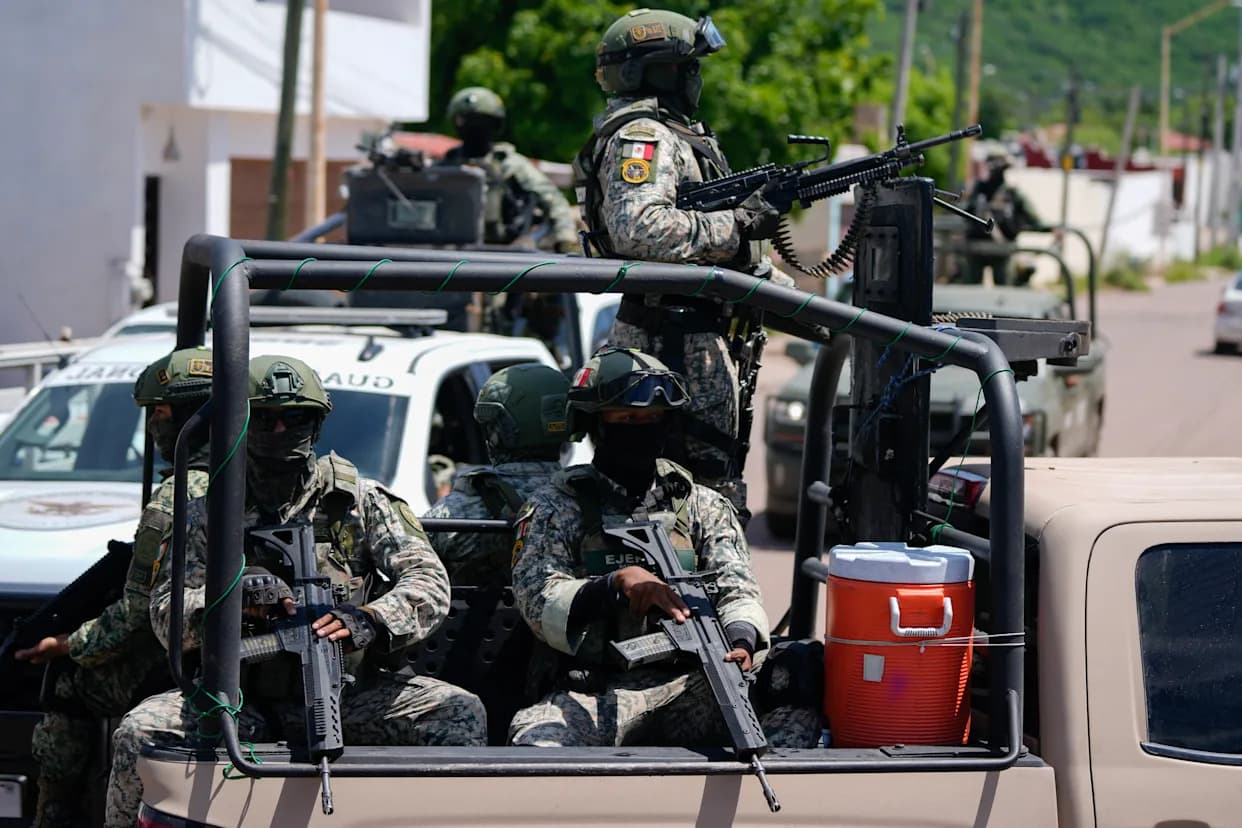
National Guards and army forces patrol the streets during an operation in Culiacan, part of Mexico's Sinaloa state, on September 19, 2024 [Eduardo Verdugo/AP Photo]
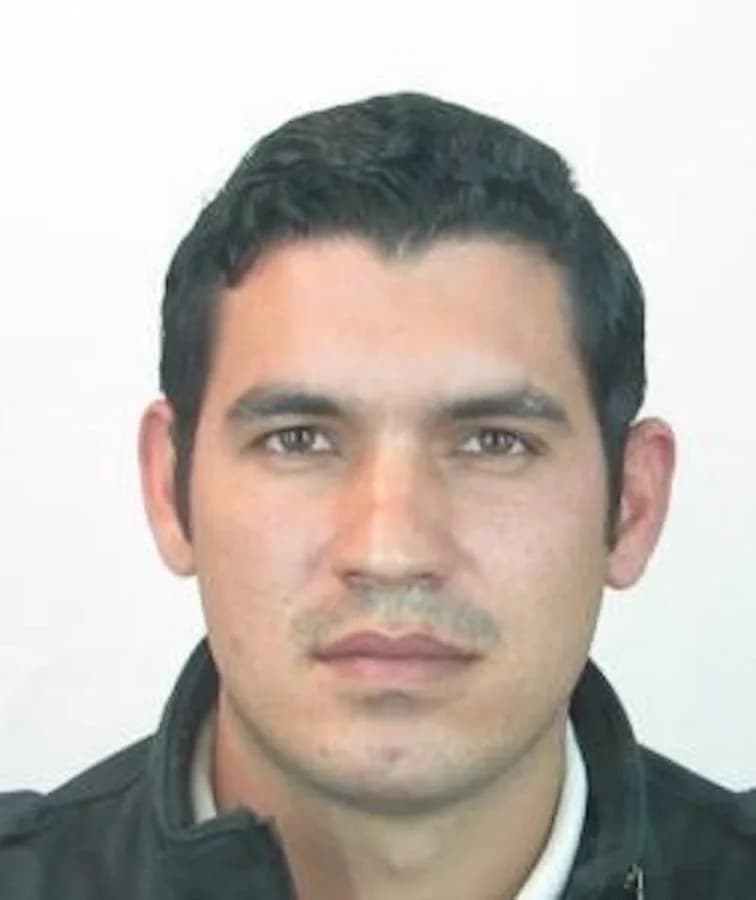
Mexican authorities say 11 people were killed during an operation in Culiacán that ended with the arrest of Omar Oswaldo Torres, the alleged leader of a Los Mayos faction within the Sinaloa Cartel.
In a social media statement on Thursday, the Mexican Navy said its forces were attacked at the scene and returned fire, resulting in the deaths of 11 "assailants." The navy said it seized high-powered weapons and tactical equipment during the operation. The identities of those killed have not yet been released.
The navy added that a woman identified as Torres's daughter was present during the raid but was released to relatives after authorities determined she had no connection to criminal activity.
Who Is Omar Oswaldo Torres?
Torres, known by the nickname "El Patas," is reported to lead the Los Mayos faction, one of several competing groups within the broader Sinaloa Cartel. In recent years Los Mayos have clashed violently with the Los Chapitos faction — groups named after Sinaloa figures Joaquín "El Chapo" Guzmán and Ismael "El Mayo" Zambada, both of whom are imprisoned in the United States.
Regional Context
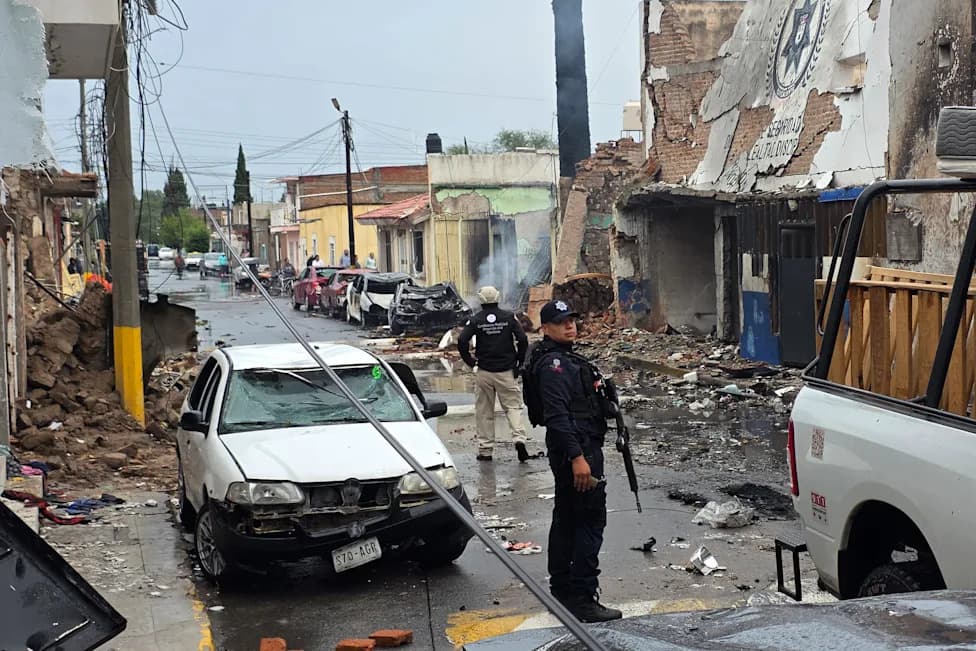
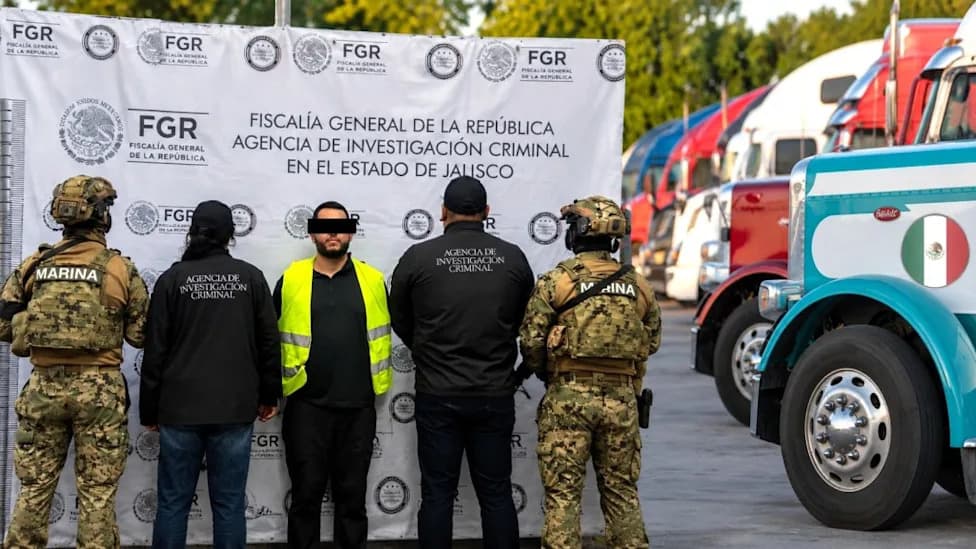
The Culiacán raid comes amid a series of high-profile operations across Latin America. Earlier this week Mexican authorities joined partners in Ecuador and Colombia to arrest Ángel Esteban Aguilar, the alleged leader of the Los Lobos criminal group. In a separate operation last month in Jalisco, Mexican forces reported the death of Nemesio Oseguera, known as "El Mencho," leader of the Jalisco New Generation Cartel. That operation prompted a wave of retaliatory violence, including roadblocks and attacks on security outposts in several states.
Debate Over Tactics
Critics have questioned the effectiveness of heavily militarised tactics — often described as a "decapitation strategy" — that focus on capturing or killing cartel leaders. Proponents say removing key figures disrupts criminal networks; experts warn it can also spur greater violence as rival groups and internal factions fight to fill leadership vacuums. Observers additionally stress that military operations do not address deeper drivers of crime such as corruption, poverty and the illicit flow of weapons.
"We have to eradicate them. We have to knock the hell out of them because they're getting worse," U.S. President Donald Trump said earlier this month, describing Mexico as the "epicentre" of cartel-related violence.
Trump has labelled groups like the Sinaloa Cartel "foreign terrorist organisations" and suggested he might consider military options on Mexican soil — proposals that critics say would violate Mexican sovereignty. Mexican officials have urged the United States to do more to stem the flow of illicit weapons into Mexico. Last year, Mexico's Supreme Court dismissed a government lawsuit accusing U.S. gun manufacturers of negligence for allowing weapons to arm criminal networks.
Mexican authorities have not yet released the full details of the Culiacán operation, including the identities of those killed or whether any additional arrests were made. The navy's announcement underlines the continuing pressure on cartel structures but also underscores the ongoing debate about the long-term impacts of militarised anti-cartel strategies.
Help us improve.