The Iran conflict has exposed vulnerabilities in the administration’s shift toward fossil fuels, with crude trading above $100 a barrel and U.S. gasoline averaging around $3.88 per gallon. Supply disruptions—especially in the Strait of Hormuz—have driven releases from the Strategic Petroleum Reserve and proposals for naval escorts, yet prices remain elevated. Critics say rollbacks of clean-energy programs have reduced alternatives that could shield consumers, while U.N. officials urge a faster transition to renewables.
Iran Conflict Exposes Risks of Trump’s 'Oil‑First' Energy Strategy
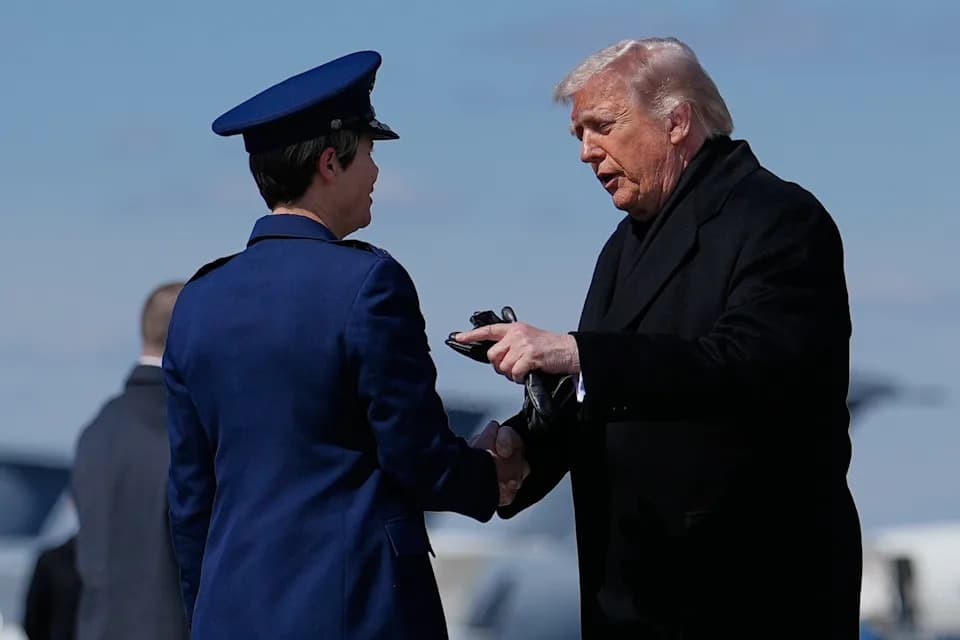
President Donald Trump greets Col. Matha "Jeannie" Sasnett, commander of Air Force Mortuary Affairs, as he arrives on Air Force One, Wednesday, March 18, 2026, at Dover Air Force Base, Del., to attend the casualty return for the six crew members of an Air Force refueling aircraft who died when their plane crashed in western Iraq while supporting operations against Iran. (AP Photo/Julia Demaree Nikhinson)(ASSOCIATED PRESS)
When President Donald Trump returned to the White House last year, he pivoted U.S. energy policy away from many climate-focused initiatives and toward an "oil-first" approach that prioritizes fossil fuels over renewables. The ongoing conflict with Iran is underlining the vulnerabilities of that strategy: with crude trading above $100 a barrel and national gasoline averages climbing toward $4 a gallon, experts warn Americans face bigger exposure to supply shocks and price volatility.
Impact on Consumers
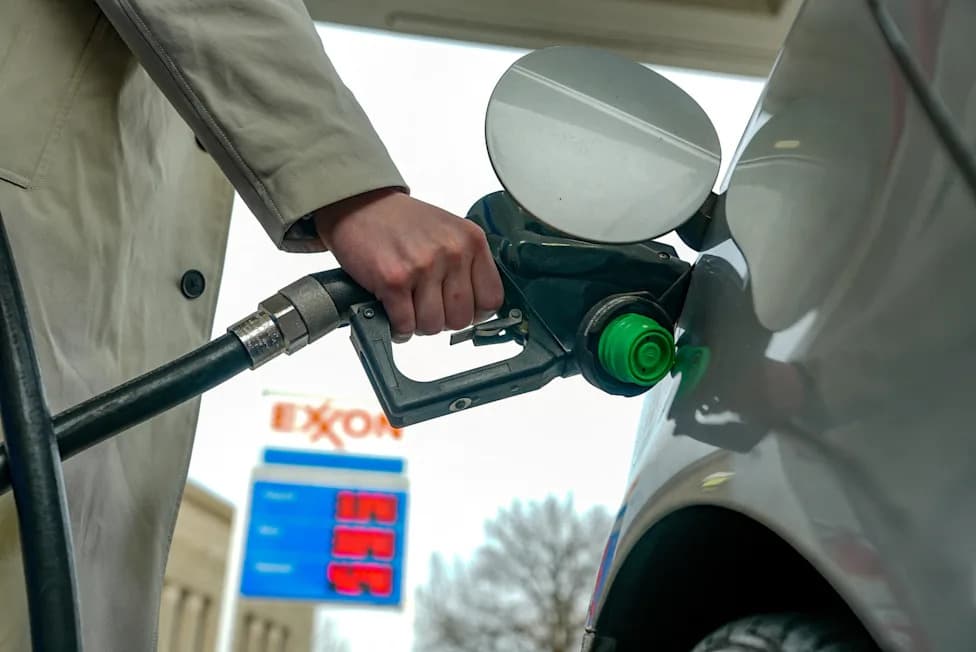
Higher crude prices and disruptions to shipping routes are already hitting motorists and households. The national average for gasoline rose to about $3.88 per gallon, according to AAA, after the administration had recently touted sub-$3 gas in its State of the Union address. Analysts say U.S. consumers are the short-term losers as energy bills rise.
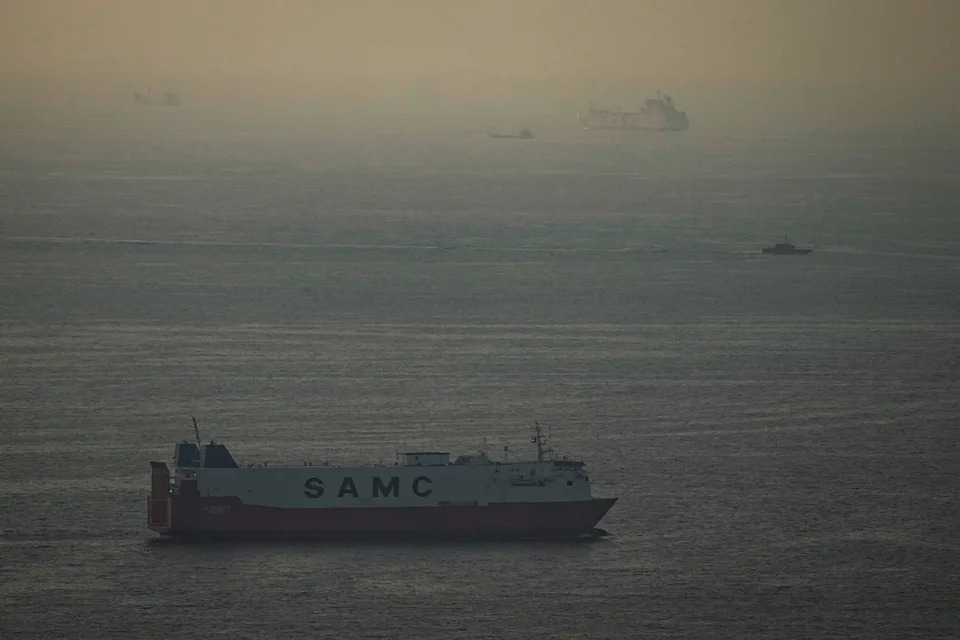
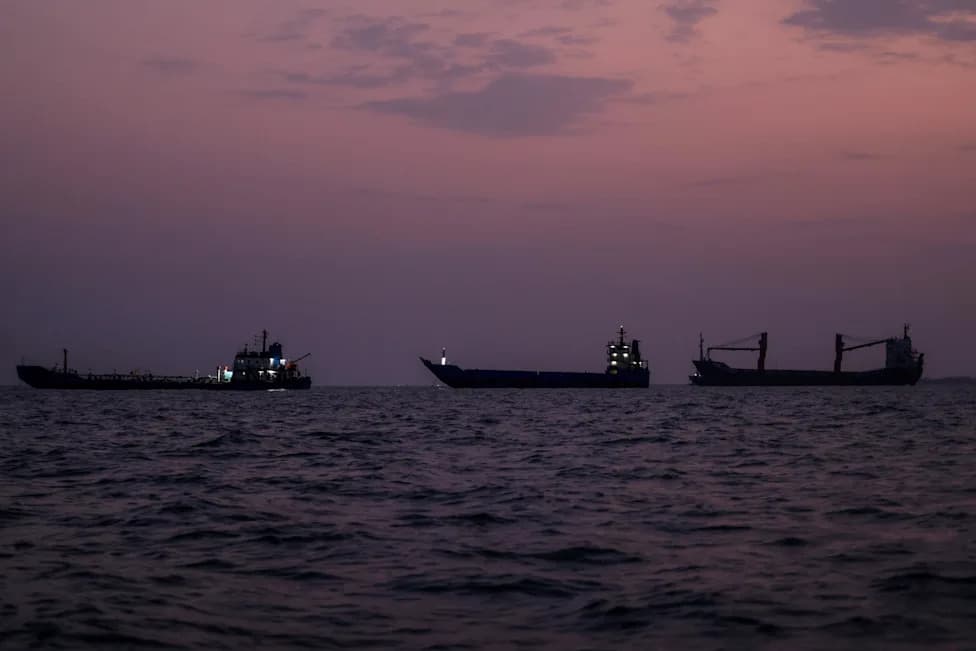
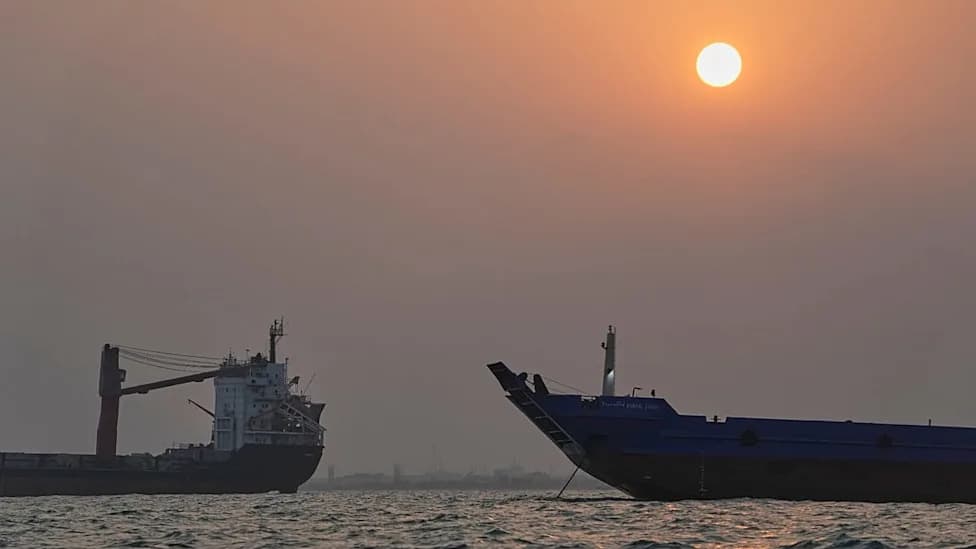
Cargo ships sail in the Arabian Gulf towards Strait of Hormuz in United Arab Emirates, Thursday, March 19, 2026. (AP Photo)(ASSOCIATED PRESS)
“The biggest short-term losers of the war will be U.S. consumers of oil and gas, as energy prices rise,” said Peter Gleick, a climate scientist and co-founder of the Pacific Institute.
Tyson Slocum, Energy Director at Public Citizen, added: “It turns out fossil fuels have their own supply risks, and the administration has no answers.” Observers note that scaling back clean energy options reduces alternatives that could soften the impact of international supply disruptions.
Supply Disruptions and Policy Responses
Iran has repeatedly targeted shipping in the Strait of Hormuz, a chokepoint through which roughly one-fifth of globally traded oil normally flows. Officials say this has effectively disrupted normal shipping patterns and contributed to a spike in global prices.

President Donald Trump speaks during a meeting with Japan's Prime Minister Sanae Takaichi in the Oval Office of the White House, Thursday, March 19, 2026, in Washington. (AP Photo/Alex Brandon)(ASSOCIATED PRESS)
To ease market pressure, the administration has released millions of barrels from the U.S. Strategic Petroleum Reserve and temporarily lifted sanctions on some Russian oil shipments already at sea. Officials are also weighing naval escorts for tankers and negotiating with other countries to form a coalition to protect shipping through the strait. Still, analysts warn prices are likely to remain elevated while the disruption continues.
“We are currently experiencing what is the largest oil supply disruption in history,” said Gregory Brew, senior analyst at the Eurasia Group.
Politics, Policy Reversals and the Case for Renewables
Domestically, the administration has moved to fast-track oil and gas permits, provide tax incentives for fossil fuel production, and block or cancel numerous clean energy projects and grants. These actions reversed many of the previous administration’s measures, including a nearly $375 billion package Congress approved to boost clean energy. The White House also reversed a long-standing scientific finding that had recognized climate change as a threat to public health and the environment.
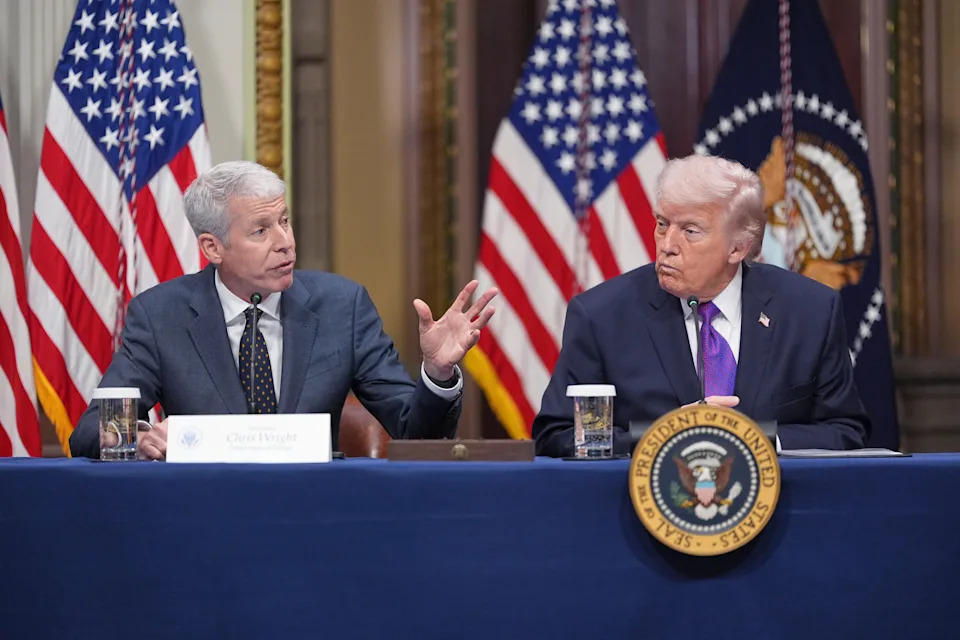
Energy Secretary Chris Wright, left, speaks as President Donald Trump listens during an event about the Ratepayer Protection Pledge, in the Indian Treaty Room of the Eisenhower Executive Office Building on the White House complex, Wednesday, March 4, 2026, in Washington. (AP Photo/Jacquelyn Martin)(ASSOCIATED PRESS)
Critics argue those rollbacks increase U.S. vulnerability to international supply shocks. Jason Bordoff of Columbia University summarized the approach as a reliance on the U.S. role as a leading oil-and-gas producer, rather than the rapid adoption of domestic clean-energy alternatives.
U.N. Secretary-General António Guterres framed the crisis as proof that energy security is strengthened by accelerating a just transition to renewables: “There are no price spikes for sunlight and no embargoes on the wind,” he said.
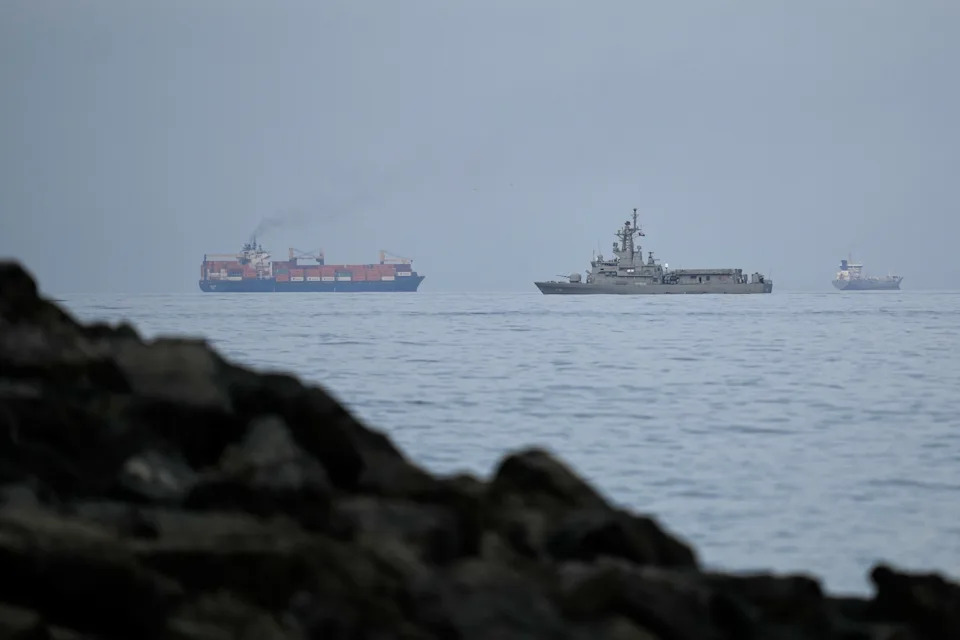
A UAE navy ship sails next to a cargo ship in the Strait of Hormuz as seen from Khor Fakkan, United Arab Emirates, Wednesday, March 11, 2026. (AP Photo/Altaf Qadri)(ASSOCIATED PRESS)
Outlook
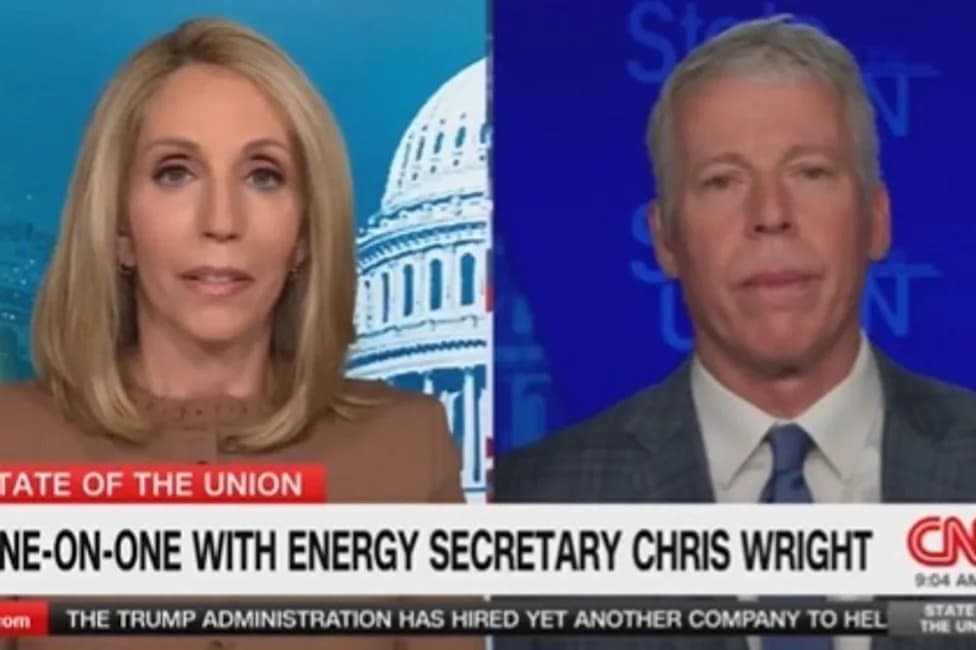
Officials warn of continued short-term pain while geopolitical tensions persist. Energy Secretary Chris Wright acknowledged prices may remain elevated for weeks but described the disruption as necessary to address longer-term security concerns. Analysts and advocates counter that expanding renewable energy and other alternatives would reduce consumer exposure to spikes driven by conflicts abroad.
Bottom line: The Iran conflict has amplified the costs of an oil-first policy, exposing consumers to higher prices and renewed calls for accelerated deployment of renewable energy and diversification of supply.
Help us improve.