New genomic and isotope analyses of feather fragments from a Ychsma tomb at Pachacamac (c.1000–1400 CE) show Amazonian parrots were captured in the wild, transported across the Andes, and kept on the Peruvian coast before burial. Mitochondrial diversity points to wild origins, while carbon isotopes indicate a maize‑based coastal diet after capture. Landscape‑resistance models identify two plausible trans‑Andean corridors involving Chimú, Sicán, Chachapoya and Arawak‑linked intermediaries, revealing a managed pre‑Inca trade network.
Parrot Feathers Reveal Secret Pre‑Inca Trade Routes Across the Andes
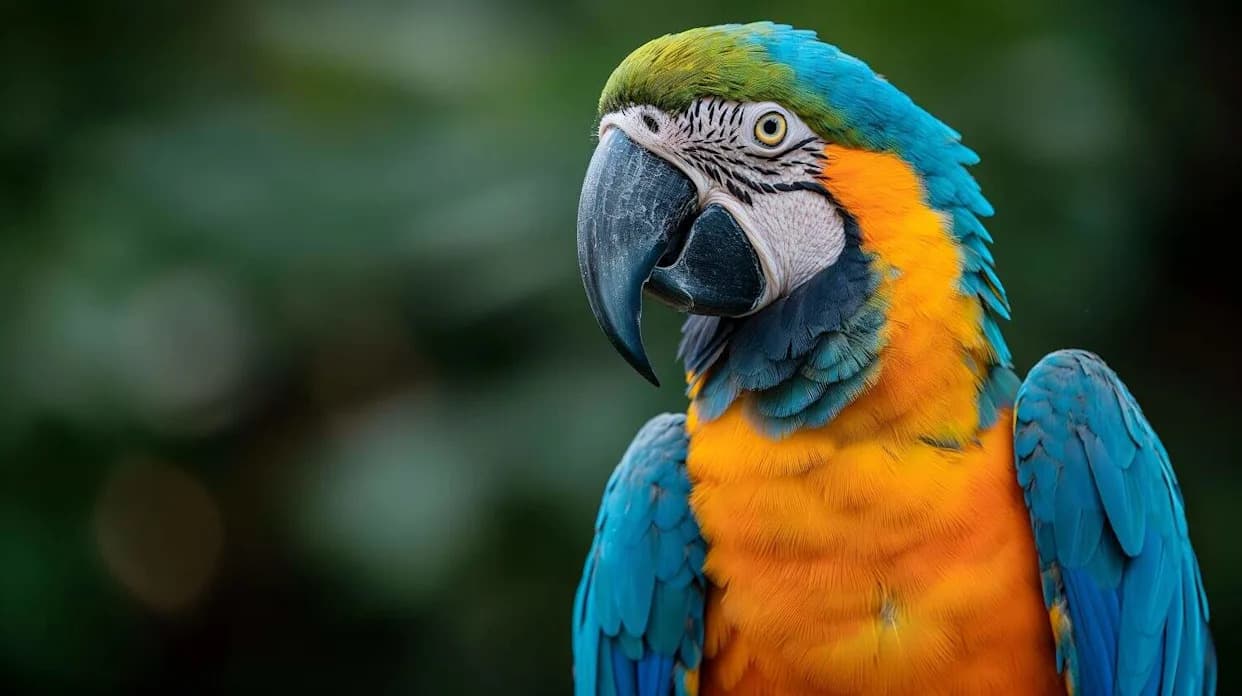
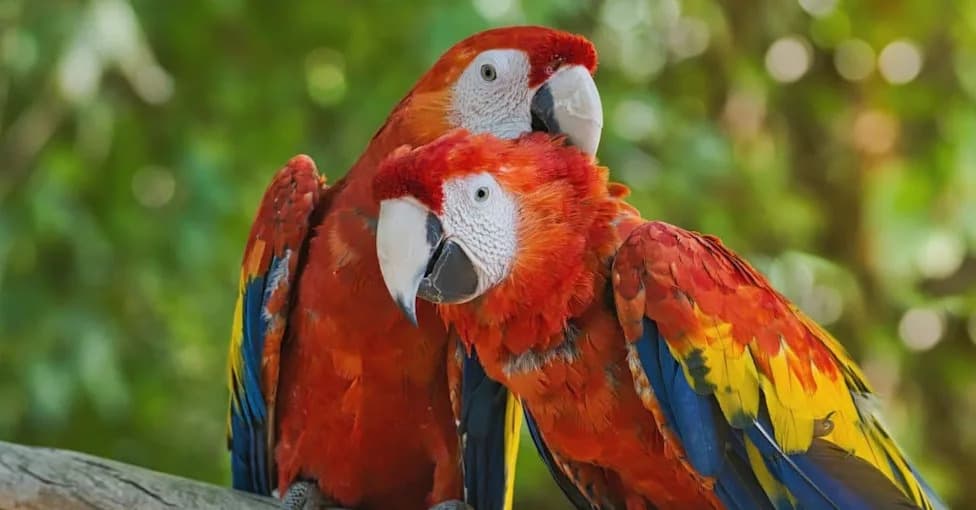
A close-up portrait of a Macaw parrot, focusing on its detailed, colorful feathers and striking eyes. The background is blurred, emphasizing the bird's vivid colors and intricate feather patterns.© Bokor Marketing/Shutterstock.com
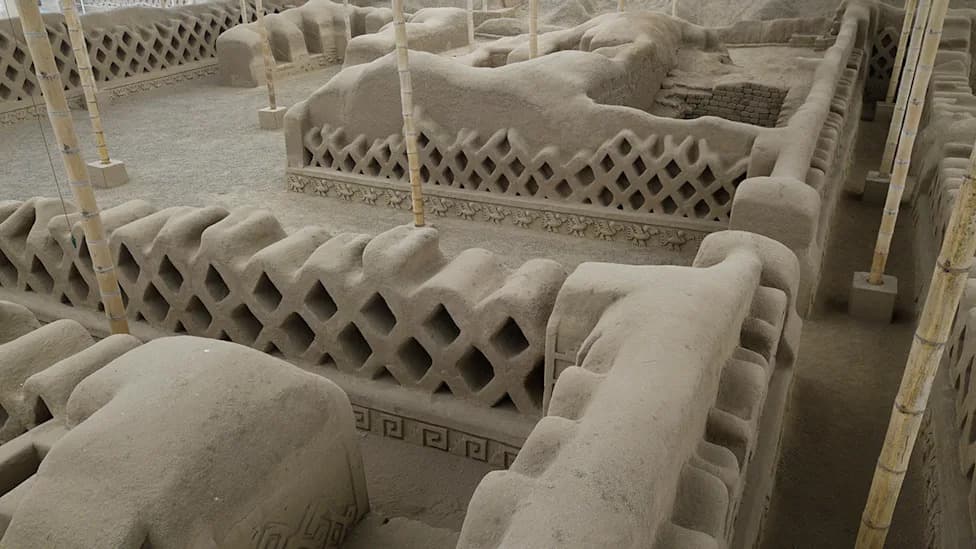
A new interdisciplinary study reveals that brilliantly colored parrot feathers found in elite burials on Peru’s central coast came from the Amazon and were transported across the Andes long before the rise of the Inca. Researchers analyzed feather fragments from a Ychsma tomb at Pachacamac — roughly 25 miles southeast of Lima — using ancient DNA, isotope chemistry and landscape‑resistance modeling to reconstruct the birds’ origins and how they were moved.
Archaeological Context
The burial complex at Pachacamac contained 34 funerary bundles; the five largest were richly decorated with feathers. Radiocarbon and stylistic evidence date the burials to roughly 1000–1400 CE, the Late Intermediate Period, when the Ychsma culture occupied the central coast prior to Inca expansion.
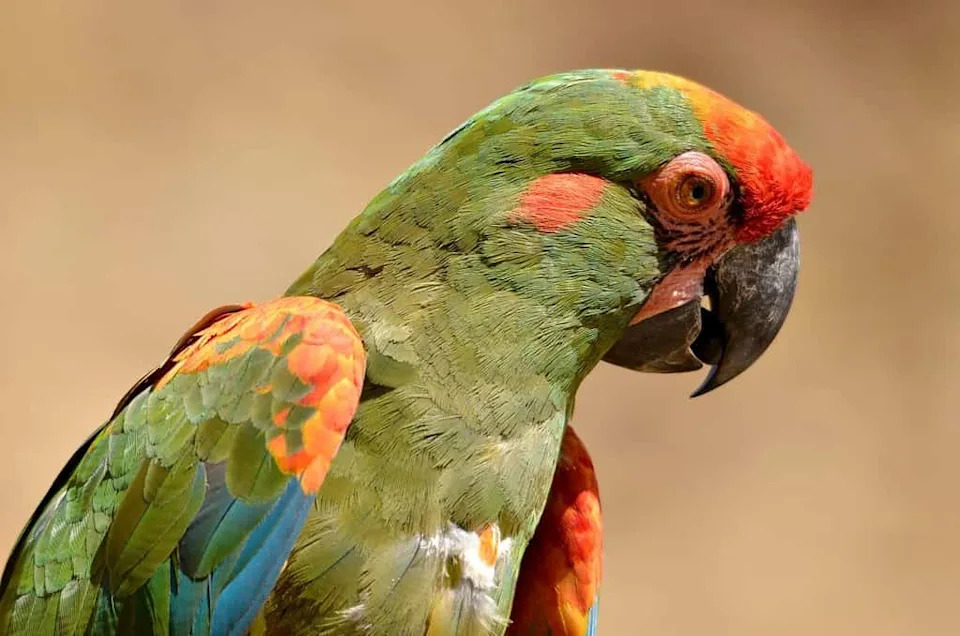
Parrots have had a cultural significance for thousands of years.©Christian Musat/Shutterstock.com(Christian Musat/Shutterstock.com)
Methods
Scientists combined multiple techniques: ancient DNA was extracted from feather barb fragments and sequenced, carbon‑isotope analyses traced diet during feather growth, and species‑distribution plus landscape‑resistance models mapped plausible human routes between Amazonia and the coast. This integrated approach allowed the team to link biological origins with human transport and management practices.
Key Findings
Genomic tests on 25 feather samples identified several species, including the Scarlet Macaw (Ara macao), Red‑and‑green Macaw (Ara chloropterus), Blue‑and‑yellow Macaw (Ara ararauna), Mealy Amazon (Amazona farinosa), and unexpectedly, Sabine’s Gull (Xema sabini). The gull is a coastal migrant that winters in Peru and thus is easily explained as a local resource. The parrots, however, are Amazonian species native to lowland rainforests hundreds of miles inland.
Ancient Peruvian civilizations prized parrot feathers.©alvarobueno/Shutterstock.com(alvarobueno/Shutterstock.com)
Crucially, mitochondrial genomes from three ancient Scarlet Macaw feathers showed high genetic diversity — a pattern consistent with wild Amazonian populations, not a restricted captive breeding stock. Carbon‑isotope values indicate the parrots consumed maize while their feathers were growing, implying they spent an extended period on the Peruvian coast after capture.
Reconstructing Trade Routes
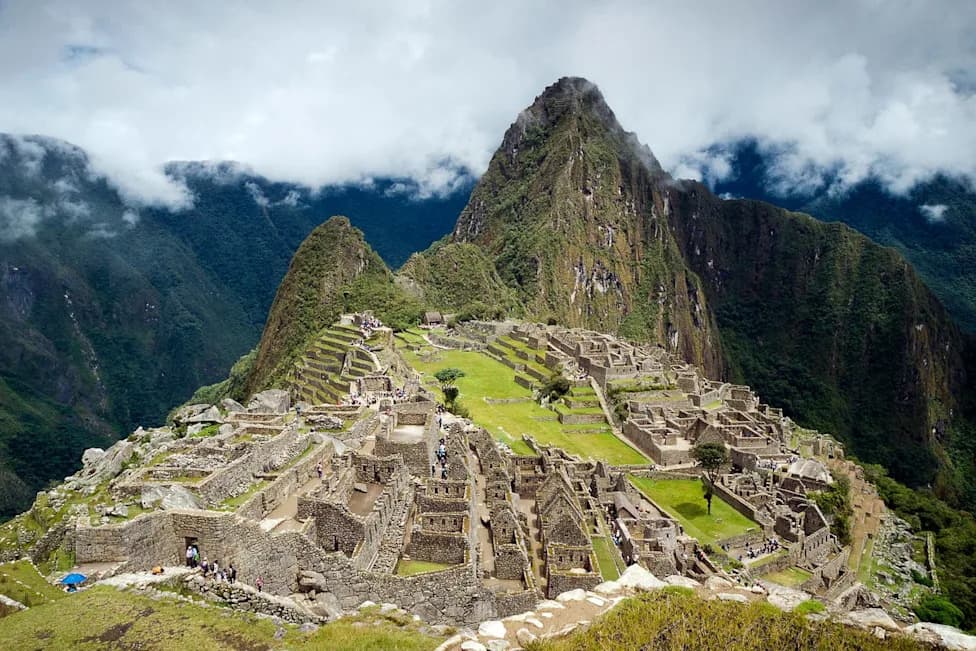
To explain how Amazonian parrots reached Pachacamac, the researchers mapped likely parrot habitats around 1000 CE and used landscape‑resistance modeling that accounted for elevation, river navigability and sea routes. Two corridors emerged as most plausible:

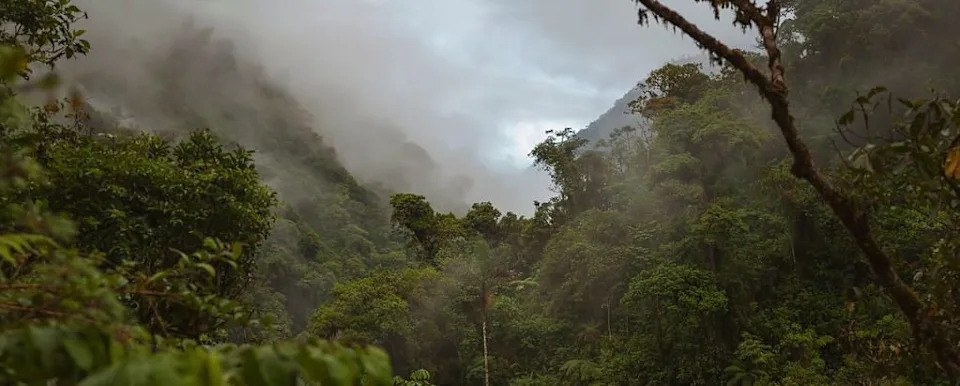
The Andes Mountain Range is difficult to traverse.©Jujubier/Shutterstock.com(Jujubier/Shutterstock.com)
- Northern Corridor: Linking Pachacamac to powerful north‑coast polities such as the Chimú and Sicán. Archaeological links connect Chimú and Sicán with Chachapoya groups on the upper Amazonian slopes — people known for bird‑capturing expertise and likely intermediaries in parrot trade.
- Direct Eastward Corridor: A more direct route across the highlands used by Arawak‑associated groups documented in previous ethnohistoric and archaeological work, supporting a multi‑stage exchange network.
Interpretation and Significance
The combined evidence suggests a scenario in which parrots were hatched in the wild in Amazonian habitats, captured by intermediaries, transported across the Andes, and then kept on the coast — fed maize — before being used as high‑status regalia in burials. This demonstrates a managed, sophisticated trans‑Andean trade network that predated Inca hegemony and challenges the notion that pre‑Inca polities were isolated by ecological boundaries.
Parrot feathers were valuable status symbols in coastal Peru, and this study shows that ancient Andean societies invested considerable effort — and organized trade networks — to acquire them from distant Amazonian sources.
Broader Context
These findings fit with other evidence of long‑distance movement and captive maintenance of exotic birds in precontact Americas (for example, macaw breeding evidence in Paquimé and the American Southwest). Beyond archaeology, the study illuminates continuity in human fascination with parrots: once prized for their vivid plumage and symbolic power, they continue to captivate us today.
Help us improve.