Chief Judge James Boasberg quashed grand-jury subpoenas seeking Federal Reserve documents tied to a renovations probe, finding the effort was primarily meant to harass and pressure Fed Chair Jerome Powell. Boasberg concluded prosecutors produced essentially no evidence of criminality and suggested the inquiry risked being used as political leverage. Powell, reappointed by President Biden after his initial nomination by Trump, said he will remain on the Fed board while the investigation continues. D.C. U.S. Attorney Jeanine Pirro vowed to appeal.
Federal Judge Blocks Subpoenas — Why Jerome Powell Can Stand Up to Trump’s Pressure
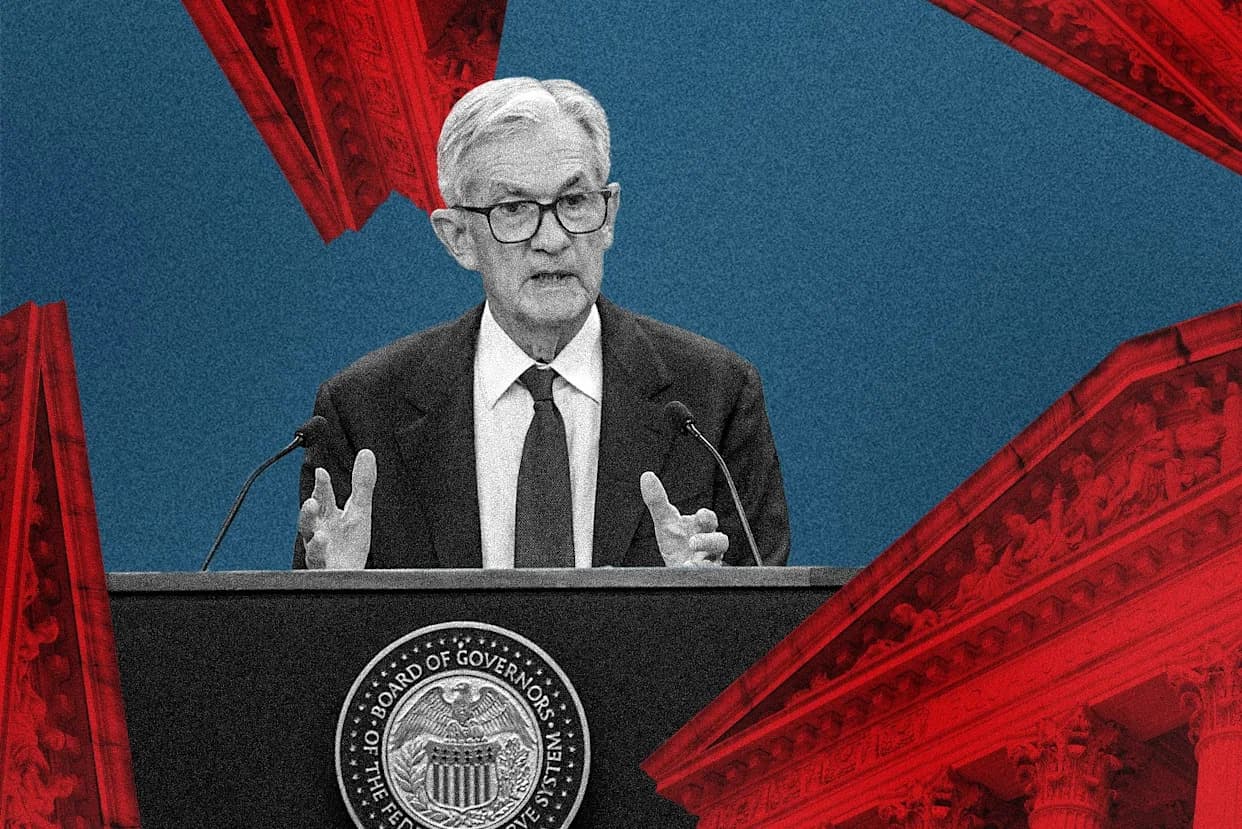
Chief Judge James Boasberg's recent ruling to quash grand-jury subpoenas aimed at Federal Reserve officials makes clear why Fed Chair Jerome Powell has felt free to resist sustained pressure from President Donald Trump. The judge concluded the subpoenas were driven largely by a desire to harass or coerce Powell — not by solid evidence of criminal conduct — and his blunt rebuke underscores judicial protection for the Fed's institutional independence.
What the Court Found
Last week, Boasberg agreed to quash subpoenas served on members of the Federal Reserve Board in connection with a U.S. Attorney's Office probe into whether Powell misled Congress about a yearslong renovations project at Fed headquarters. The judge wrote that "there is abundant evidence that the subpoenas' dominant (if not sole) purpose is to harass and pressure Powell," noting a "mountain of evidence" in the form of the president's repeated public attacks and demands for lower interest rates.
“The U.S. Attorney’s Office produced essentially zero evidence to suspect Chair Powell of a crime,” Boasberg wrote, finding the office’s justifications thin and potentially pretextual.
Powell’s Position And Terms
Powell — first appointed Fed chair by Trump and reappointed by President Joe Biden to a second four-year term that runs through May — also holds a separate 14-year appointment as a Federal Reserve governor that could keep him on the board until 2028. After the Fed recently held interest rates steady, Powell told reporters he intends to remain on the board while the renovations investigation continues, saying he had "no intention of leaving the board until the investigation is well and truly over with transparency and finality."
Reaction From Prosecutors And Critics
D.C. U.S. Attorney Jeanine Pirro immediately criticized Boasberg's decision, calling him an "activist judge" and saying the ruling "neutered the grand jury's ability to investigate crime." Pirro said she plans to appeal. Boasberg, however, found her office's case so thin that judicial intervention was warranted to prevent the grand jury from being used as a tool of political leverage.
Judge Boasberg’s Record And Context
Boasberg is an experienced jurist who has previously clashed with the administration over high-profile matters, including litigation related to the government's attempt to invoke the Alien Enemies Act in an immigration context. The Department of Justice had also filed an ethics complaint against Boasberg alleging he improperly discussed administrative concerns with other judges; that complaint was dismissed.
Broader Legal Implications
Legal observers say Boasberg's opinion is a warning against weaponizing prosecutorial tools to achieve political ends. The episode is part of a larger set of disputes over the independence of the Federal Reserve and the limits of presidential influence. The Supreme Court has also signaled caution about using removal or criminal processes to unseat independent officials — a backdrop that has helped Powell and other Fed governors fend off aggressive challenges.
Conclusion
Boasberg's decision to quash the subpoenas clarifies why Powell could publicly resist presidential pressure: the judiciary can and will act when investigative power appears to be used as political leverage. Whether prosecutors will prevail on appeal remains to be seen, but the ruling reinforces the principle that independent institutions are entitled to protection from coercive political tactics.
Help us improve.