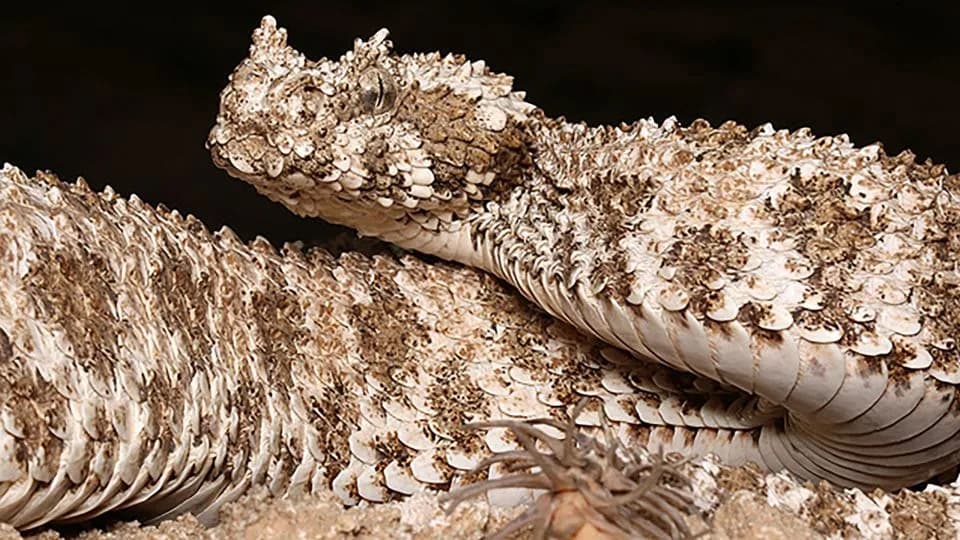
Researchers at the University of Arizona reviewed 300+ studies and estimate that, on average, each described vertebrate species hides about two genetically distinct but visually similar “cryptic” species. Advances in DNA sequencing have revealed lineages that diverged long ago despite near-identical morphology. Recognizing these hidden species reduces estimated range sizes and can raise extinction risk, so formal description and tailored conservation actions are urgently needed.
Study Finds About Two Hidden ‘Cryptic’ Species For Every Known Vertebrate
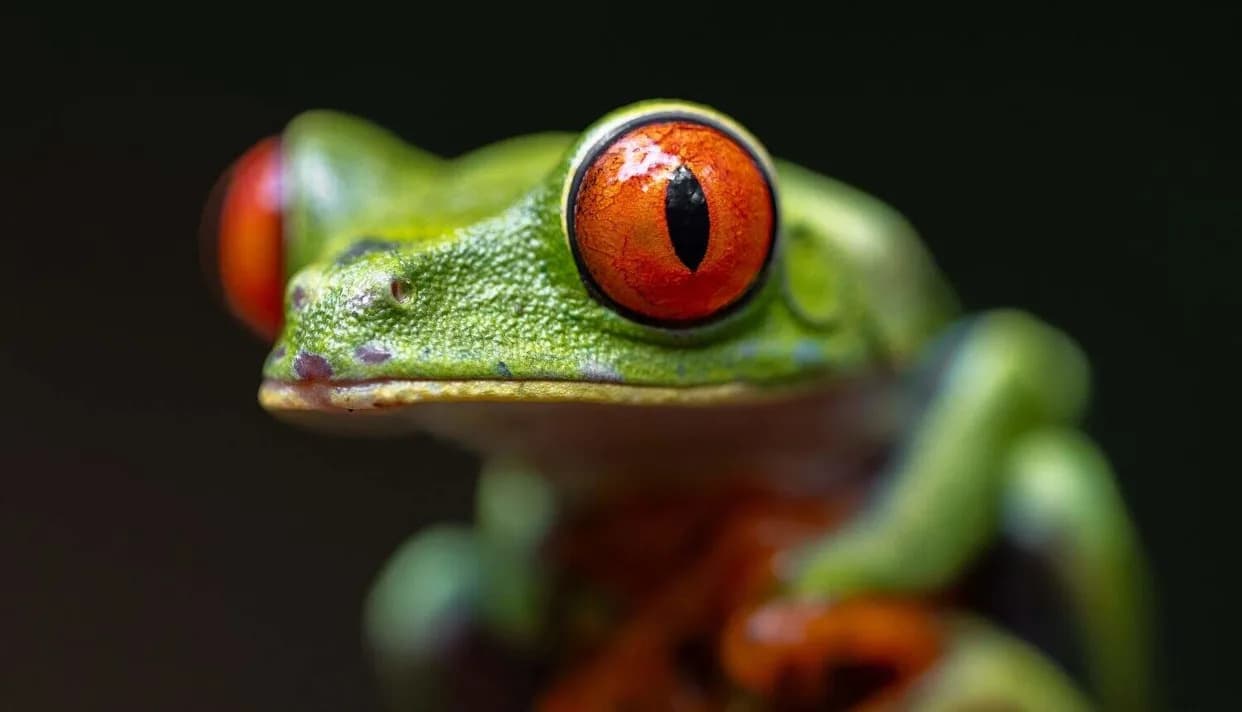
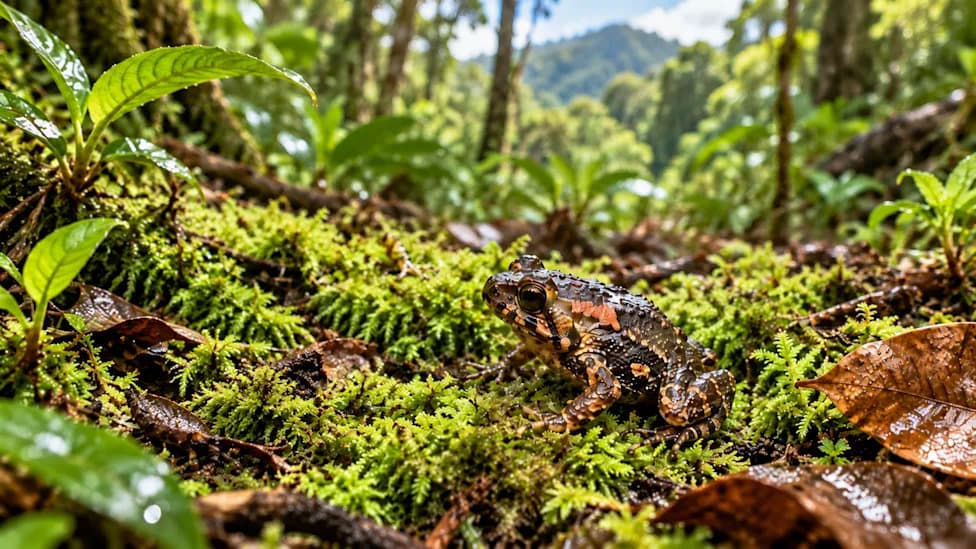
Red-eyed tree frog in Costa Rica© Harry Collins Photography/Shutterstock.com
New research led by the University of Arizona suggests that the animal world is far more diverse than it appears: for every described vertebrate species—fish, bird, amphibian, reptile or mammal—there may be roughly two additional, visually indistinguishable but genetically distinct “cryptic” species.
The team compiled and analyzed results from more than 300 published studies comparing genetic data across populations. Advances in molecular sequencing have made such broad comparisons feasible and economical, revealing lineages that have likely been evolving independently for hundreds of thousands to millions of years despite looking nearly identical to humans and traditional taxonomy.

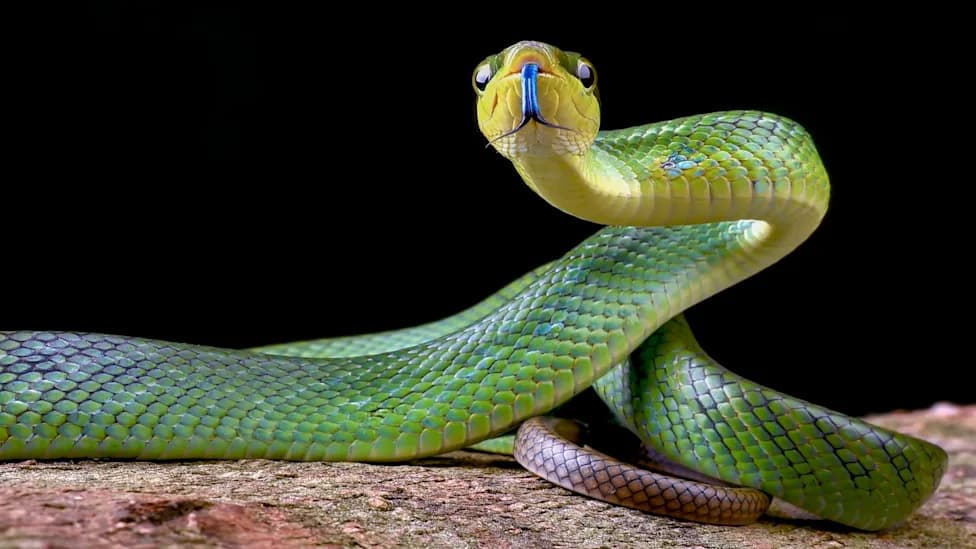
University of Arizona researchers believe there are two additional species for every known vertebrate species.©Max Acronym/Shutterstock.com(Max Acronym/Shutterstock.com)
What Are Cryptic Species?
Cryptic species are groups of organisms that are morphologically (visually) similar or indistinguishable but are genetically distinct and evolutionarily separate. Because traditional taxonomy has relied heavily on external traits—color, scale patterns, body proportions—these hidden lineages were often overlooked until DNA-based methods became widely available.
Key Example
A local example illustrates the phenomenon: the Arizona mountain kingsnake was long treated as a single species based on appearance. Genetic analyses in 2011 showed that northern and southern populations are distinct, leading to the southern populations being recognized as Lampropeltis knoblochi while northern populations are Lampropeltis pyromelana.
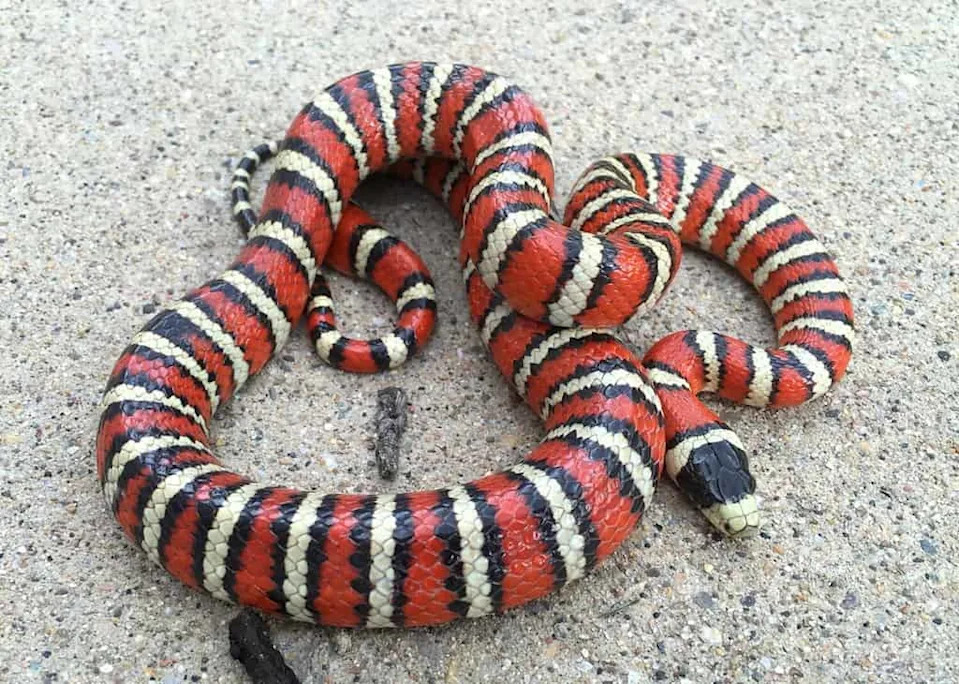
People used to think there was only one Arizona mountain kingsnake. Contemporary research shows that northern and southern kingsnakes are genetically distinct.©Matt Jeppson/Shutterstock.com(Matt Jeppson/Shutterstock.com)
Conservation Implications
Recognizing cryptic species matters for conservation. If one broadly defined species actually comprises several genetically distinct species, each newly recognized species will usually occupy a smaller geographic range and may face higher extinction risk. As Prof. John Wiens (University of Arizona) emphasizes, smaller range size correlates with greater vulnerability. Formal taxonomic description is only the first step; conservation plans must be tailored to avoid harmful interventions such as inadvertent mixing of distinct species during captive breeding or translocation.
How the Study Was Done And What It Recommends
Graduate student Yinpeng Zhang initiated the systematic review after noticing repeated, independent reports of cryptic taxa across disparate studies. The authors evaluated multiple methods for estimating hidden diversity and recommended more targeted research programs that focus explicitly on cryptic species—rather than discovering them incidentally—to better quantify and protect Earth’s true vertebrate diversity.
“Each species that you and I can see and recognize as distinct may actually be hiding two different species, on average,” said John Wiens, professor in the University of Arizona Department of Ecology and Evolutionary Biology.
As molecular datasets continue to expand, scientists expect many more cryptic lineages to be revealed. Identifying, describing, and integrating cryptic species into conservation planning will be essential to accurately measure biodiversity and to protect vulnerable populations.
Help us improve.