Overview: Cuban President Miguel Díaz-Canel vowed "impregnable resistance" after President Donald Trump suggested the U.S. might "take" Cuba, comments that have heightened diplomatic tensions. Trump has not detailed concrete plans, but U.S. moves such as threatened tariffs on oil suppliers have worsened Cuba's energy crisis, triggering blackouts and protests. Havana announced a limited opening to overseas investment, a step U.S. officials called insufficient amid broader calls for more profound political and economic reform.
Trump Hints at 'Taking Cuba'; Cuban President Vows 'Impregnable Resistance'
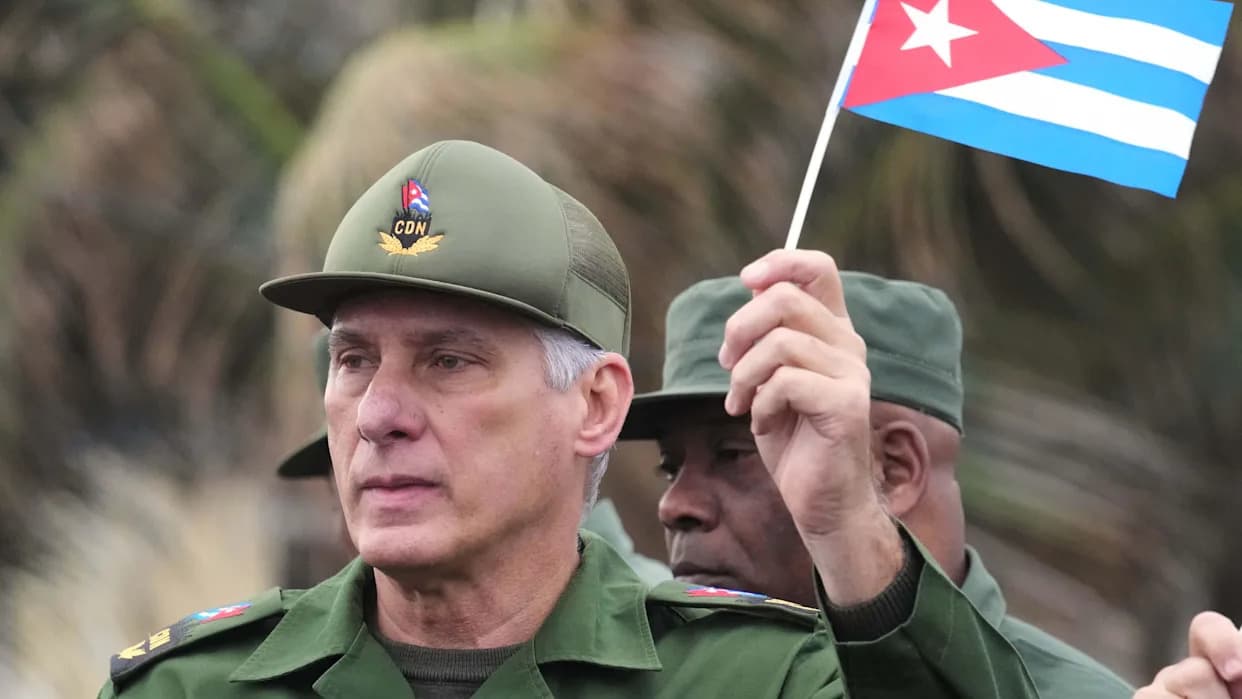
President Donald Trump this week again suggested the United States might take action on Cuba, prompting a forceful response from Cuban President Miguel Díaz-Canel Bermúdez, who promised "impregnable resistance" to any external aggression.
In a post on X late Tuesday, Díaz-Canel accused the U.S. of threatening to overthrow Havana's government and exploit the island's resources. "In the face of the worst scenario, Cuba is accompanied by a certainty: any external aggressor will clash with an impregnable resistance," he wrote.
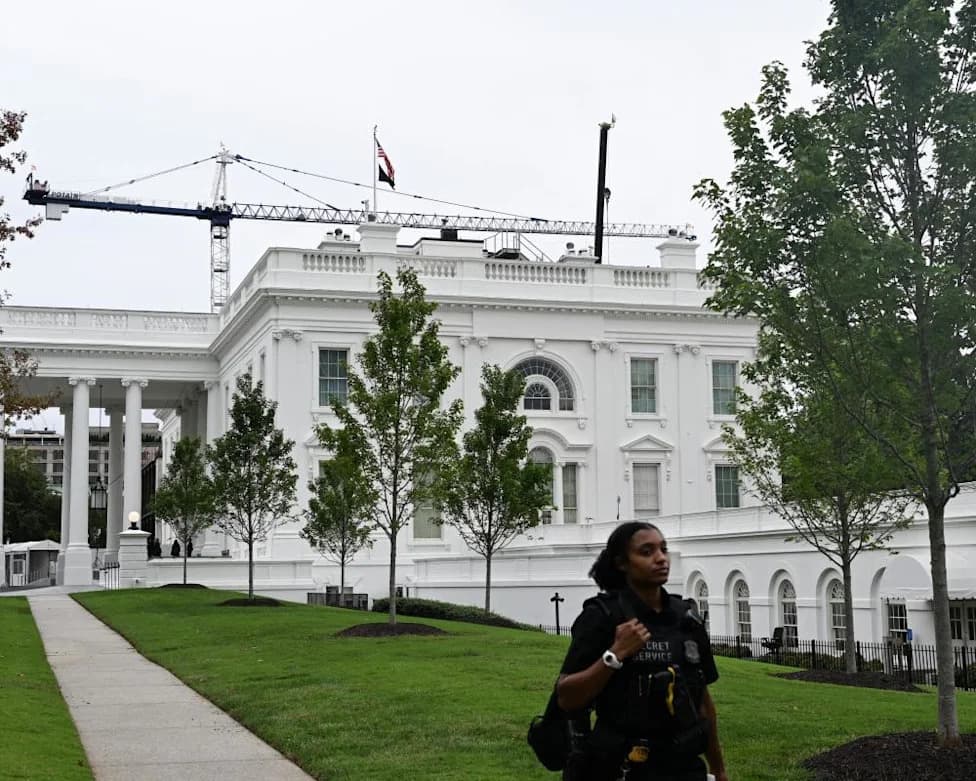
Trump, speaking at a White House event, said "we'll be doing something with Cuba very soon" and has previously suggested the possibility of "taking Cuba in some form," even using the phrase "friendly takeover" in past comments. He has not outlined any specific plans.
"Whether I free it, take it, I think I could do anything I want with it," Trump told reporters, a remark that has raised diplomatic concern.
While details remain unclear, the administration's pressure on Cuba has included threats of tariffs on countries that sell oil to the island — steps that have effectively reduced petroleum shipments and aggravated Cuba's long-standing energy shortfalls. Those shortages contributed to island-wide power outages this week and helped spark protests reported across the country.
Federal prosecutors in Miami are reportedly investigating Cuban officials for potential economic, drug, violent and immigration-related offenses, according to CBS News. Separately, a U.S. official told CBS News in January that Washington says its aim is not to trigger an abrupt collapse of the Cuban government but to press for a negotiated transition away from authoritarian, one-party rule.
In a notable economic move, one of Cuba's senior economic officials announced plans to allow Cuban nationals living abroad — including in the United States — to invest in companies on the island. Analysts say U.S. sanctions and other legal barriers could limit how much this measure attracts American capital.
U.S. Senator Marco Rubio criticized the step as insufficient. "Cuba has an economy that doesn't work and a political and governmental system that can't fix it," Rubio said, arguing that far deeper changes are needed.
With rhetoric rising on both sides and no clear public plan from Washington, analysts warn the situation increases diplomatic tensions and raises the risk of miscalculation. Observers say any escalation would have significant regional and humanitarian implications.
Help us improve.