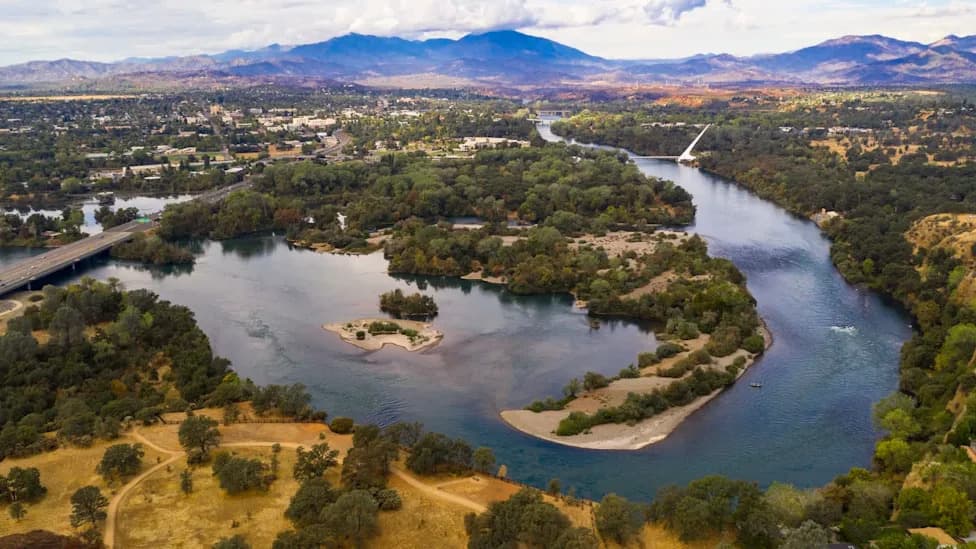
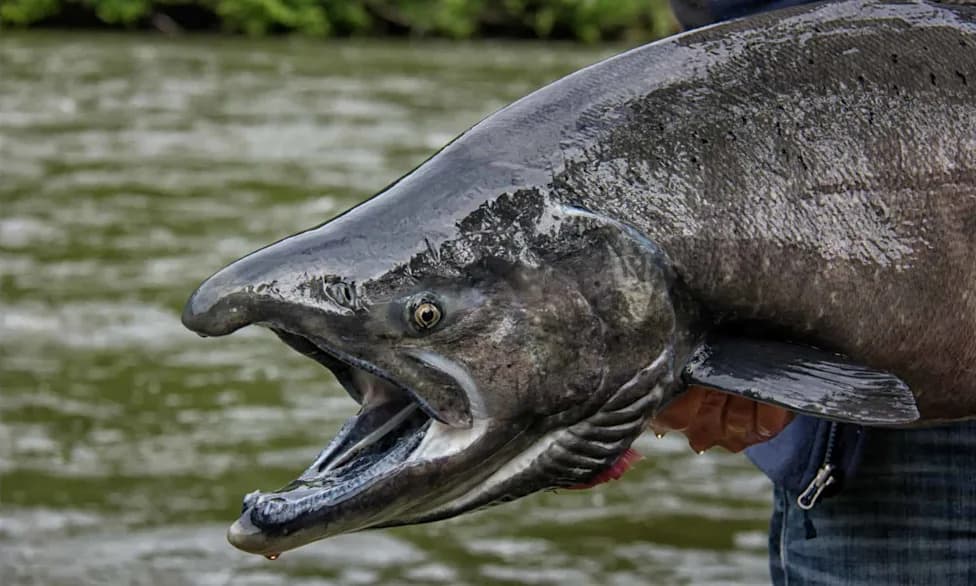
The Chesapeake Bay striped bass population is showing worrying signs of decline after several years of weak recruitment. Maryland juvenile surveys have been below average since 2018 and Virginia reports similarly poor trends, leaving many older breeders but few young fish. The unusually cold winter of 2026 could lengthen spawning windows, but fall young-of-the-year surveys and a 2027 stock assessment will determine whether recovery is underway and whether stricter conservation measures are needed.
Chesapeake Bay Striped Bass At Risk — Cold Winter Offers Hope, But Conservation Is Urgent
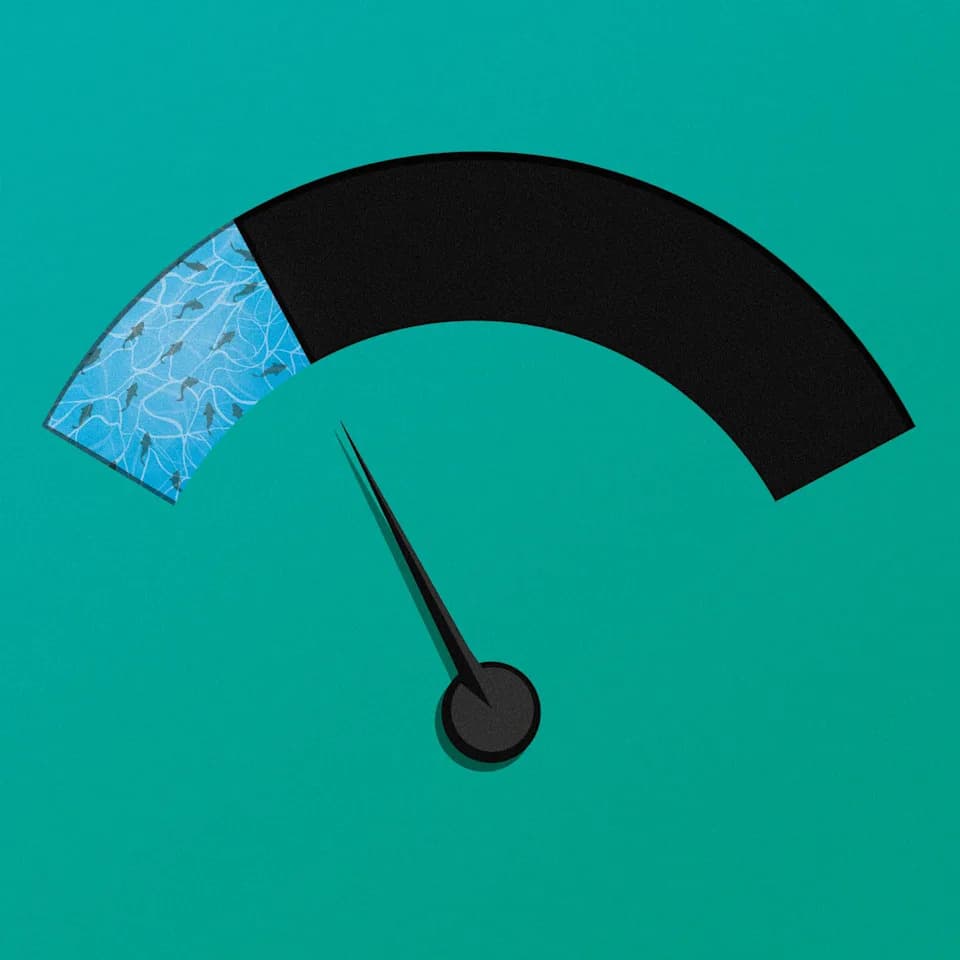
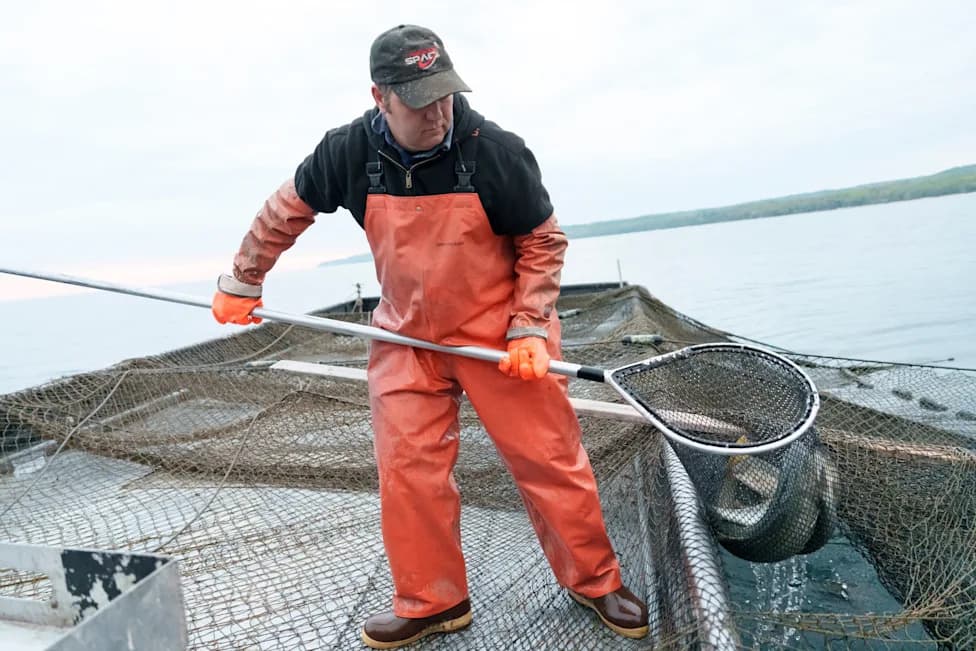
With consecutive years of poor spawning success, charter captains warn that striped bass could be on the brink of collapse. Keith Alexander Lee
Anglers and scientists across the Mid-Atlantic are sounding the alarm as Chesapeake Bay striped bass show signs of another potential population collapse. Consecutive years of poor recruitment, combined with changing water temperatures and persistent water-quality concerns, have left many older breeding fish in the bay but too few juveniles entering the population.
Current Status
Maryland's juvenile striped bass surveys, published each fall, have recorded below-average spawning success every year since 2018. Virginia's recruitment numbers, while not as dire, have also been disappointing. That pattern—many large, breeding-age fish but few young recruits—has fishermen and conservationists pressing for faster, more precautionary management.
Why Spawning Is Struggling
Striped bass require a narrow range of conditions to spawn successfully. Maryland Department of Natural Resources (DNR) research shows that warmer winters and rapid spring warming shorten the spawning season. Spawning is triggered by a slow, steady increase in water temperatures through the mid-50s into the low-60s; when spring warms too quickly, the spawn can be truncated. At the same time, degraded water quality may reduce larval survival by limiting food resources such as zooplankton.
Hope From a Cold Winter — But Results Are Pending
The unusually cold winter of 2026, with multiple Arctic systems affecting coastal Virginia and Maryland, has raised cautious optimism. Maryland DNR Secretary Josh Kurtz said a slower spring warm-up could lengthen the period of optimal spawning temperatures in bay tributaries, improving conditions for larval survival.
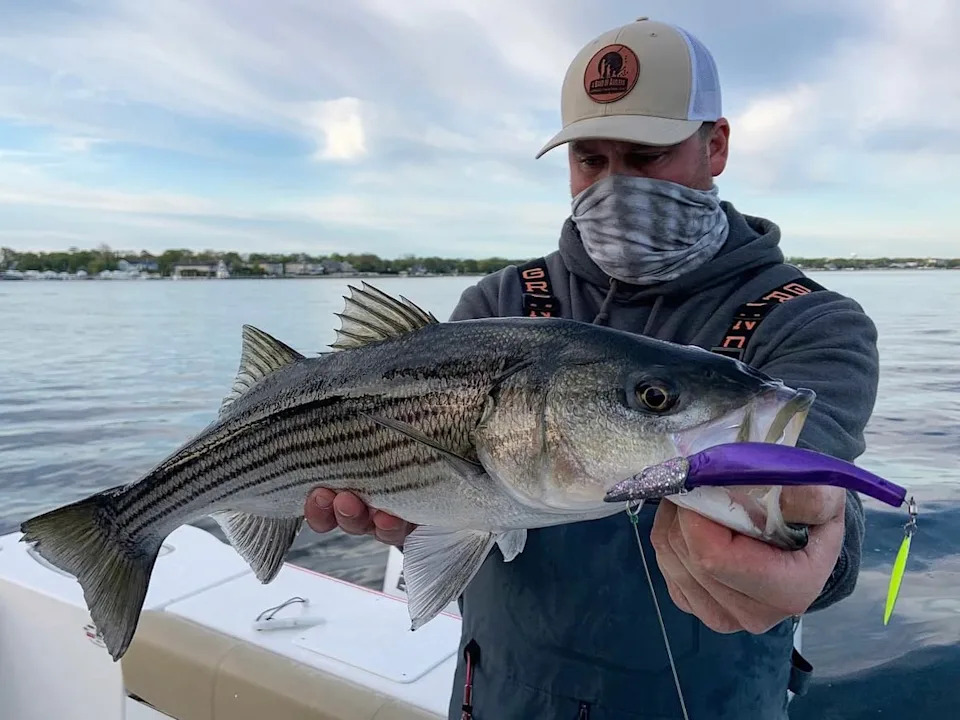
Some anglers and guides are calling out for strict striped bass regulations in Chesapeake Bay. Nick Honachefsky
"Hopefully, this cold winter will lead to a slower warm-up in bay tributaries where striped bass spawn and therefore a longer duration of suitable temperatures for spawning," Kurtz said in a February press release. "Having the right temperatures during spawning and in the early weeks of the lives of larval striped bass is critical. The right temperature means that the next generation of striped bass could have better conditions to survive and an adequate amount of the tiny organisms called zooplankton that they consume."
Voices From The Water
Local charter captains and guides are urging immediate, precautionary measures. Capt. Tony Friedrich, president and policy director of the American Saltwater Guides Association (ASGA), warned that continued harvest pressure without improved recruitment has left the population "heavily truncated and on the brink of collapse." He emphasized that rebuilding will require multiple strong year classes and likely stricter limits.
"Sometimes it is hard to see a fishery decline at first," Friedrich said. "We had a very good run of larger fish several years ago all up and down the Mid-Atlantic. However, over the past few years as new recruitment has diminished and harvest has continued, we have seen the population become heavily truncated and on the brink of collapse."
Capt. Chris Newsome, who grew up fishing the Tidewater region, said unpredictable temperature swings, angler behavior and past mismanagement have already affected his guiding business. He urged conservation-minded practices now to avoid losing both the fishery and local livelihoods.
"While there may not be much we can do to mitigate the impacts of seasonal temperature shifts, when we know the system is already under stress from multiple fronts, we should be practicing more conservation-based measures," Newsome said. "If real changes are not implemented, my way of life will disappear."
What Comes Next
Definitive answers hinge on this fall's young-of-the-year surveys, which will show whether the 2026 cold winter produced improved recruitment. A comprehensive stock assessment due in 2027 will be a critical milestone for managers deciding whether and how to implement tighter conservation measures and harvest restrictions. Stakeholders emphasize that one good year of recruitment will not be sufficient; recovery likely requires multiple productive year classes and proactive management to prevent a repeat of the major collapse the bay experienced in the 1980s.
Timeline To Watch: Fall 2026 — Young-of-the-year survey results; 2027 — New stock assessment and potential management changes.
Help us improve.