Republicans have launched an extended Senate floor takeover to spotlight the SAVE Act, which would require proof of citizenship to register and photo ID to vote. The move is largely symbolic: Republicans hold 53 seats but need 60 to advance the bill, while Democrats and allied independents oppose it. President Trump has pressured senators and threatened to withhold endorsements from Republicans who vote against the measure, while opponents warn the bill would disenfranchise eligible voters.
GOP Launches Days-Long Senate Floor Push to Spotlight Contested SAVE Act
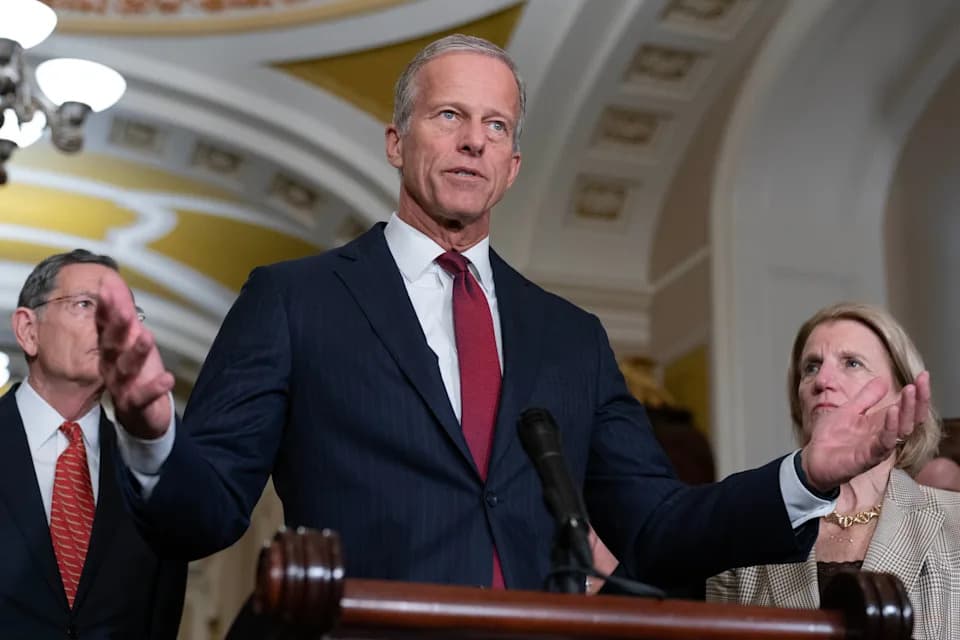
Senate Majority Leader John Thune, R-S.D., speaks to reporters after a weekly Republican luncheon, at the Capitol in Washington, Tuesday, March 10, 2026. (AP Photo/Jose Luis Magana)(ASSOCIATED PRESS)
WASHINGTON — Republicans on Tuesday opened an extended, high-profile takeover of the Senate floor to force a lengthy debate over the Safeguard American Voter Eligibility Act (SAVE Act), a voting bill that would require proof of U.S. citizenship to register and require voter identification at the polls.
The effort, expected to last days or even weeks, is largely designed to put the bill and Democratic opposition in the national spotlight rather than to secure immediate passage. Senate Republicans hold 53 seats but need 60 votes to advance legislation in the 100-member Senate; all 45 Democrats and the two independents who caucus with them oppose the measure. Senate Majority Leader John Thune has said Republicans lack the votes to eliminate the legislative filibuster that enforces that 60-vote threshold.
What Republicans Are Trying To Achieve
Rather than overcoming the filibuster, Republican leaders plan to occupy the floor with speeches under regular order while operating outside customary time constraints. Their goal is political: to "put Democrats on the record," energize supporters, and increase pressure on wavering senators. President Donald Trump has publicly pressed senators to act and warned Republicans that he will withhold endorsements from anyone who votes against the bill.
Key Provisions And Controversy
The SAVE Act would impose a national proof-of-citizenship requirement for voter registration and mandate accepted forms of voter identification at the polls. It also would create penalties for election workers who register voters without verifying citizenship and require states to share voter data with the Department of Homeland Security so federal officials can screen for noncitizen registrants. President Trump has sought additional provisions, including broad limits on mail-in and absentee voting.
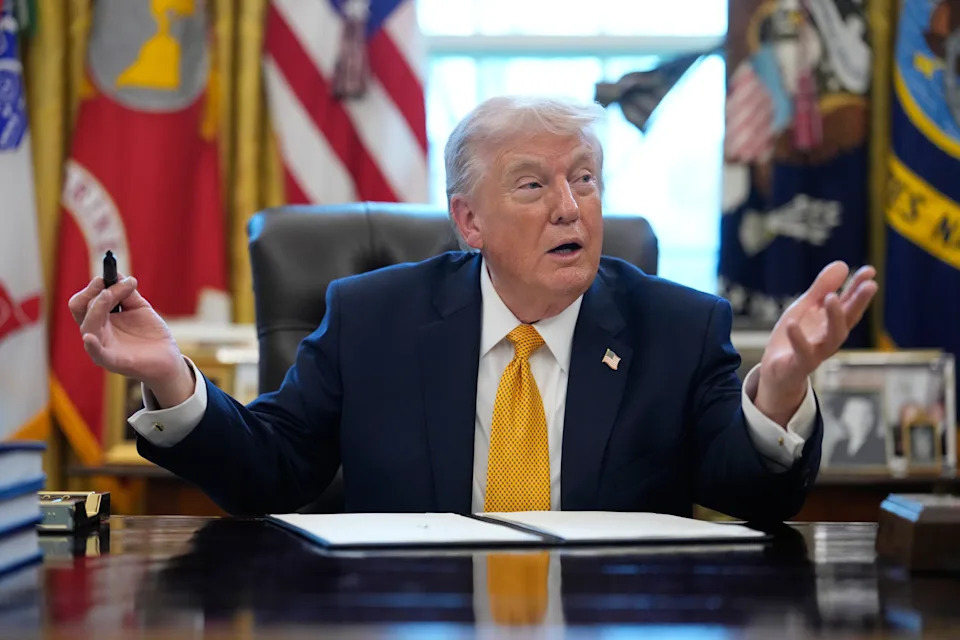
President Donald Trump speaks before signing an executive order regarding a task force on fraud in the Oval Office of the White House, Monday, March 16, 2026, in Washington. (AP Photo/Julia Demaree Nikhinson)(ASSOCIATED PRESS)
"I WILL NEVER (EVER!) ENDORSE ANYONE WHO VOTES AGAINST 'SAVE AMERICA!!!'" the president posted on social media.
Opposition And Concerns
Democrats, civil-rights groups and voting-rights organizations say the legislation would disenfranchise millions of eligible voters by imposing burdensome documentation requirements, and they argue there is scant evidence that noncitizen voting is a widespread problem. Janai Nelson, president and director-counsel of the Legal Defense Fund, said there is already an "apparatus" to protect election integrity and that the bill seeks to solve a problem that evidence does not show exists.
Senate Democratic Leader Chuck Schumer said Democrats do not oppose voter ID in principle but charged the bill would "purge the voter rolls in a massive way," preventing many people from ever having the chance to present ID at the polls.
Procedural Fight Ahead
The push has prompted disagreement within GOP ranks over tactics. Some, including Sen. Mike Lee of Utah, urged a more aggressive, talking-filibuster-style approach. Leader Thune and other Republicans rejected that route as likely to backfire by giving Democrats a platform for amendments and messaging. Instead, Republicans will proceed with extended speeches and frequent procedural votes; Democrats are expected to respond with their own maneuvers that could keep senators on call at all hours.
The marathon debate is widely expected to end with a failed procedural vote: Republicans need 60 senators to advance the bill and currently lack that threshold. Still, the Republican strategy seeks to use the floor time for political leverage and to pressure opponents ahead of the midterm elections.
Associated Press writer Lisa Mascaro contributed to this report.
Help us improve.