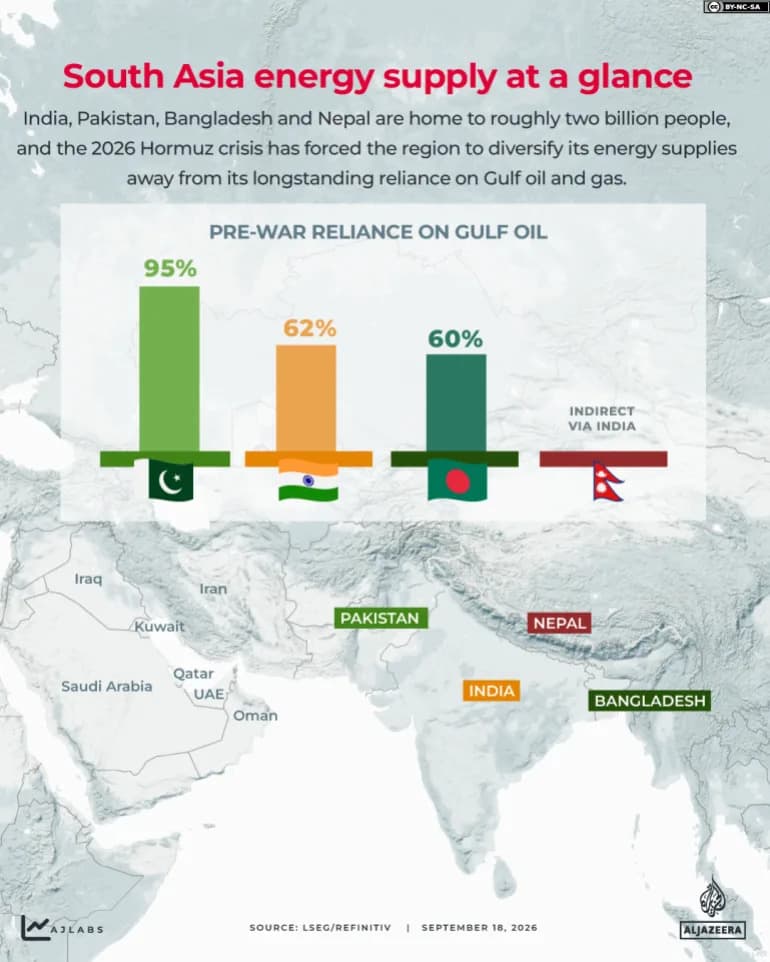
The Iran-related conflict has pushed fuel-importing countries—especially in Asia—into an energy triage, prompting conservation, strategic reserve releases and subsidies to protect households. Governments are implementing measures such as reduced workweeks, remote work and targeted subsidies, while Japan and South Korea have tapped strategic oil stocks. Analysts warn these short-term steps ease pressure only briefly; prolonged disruption could force painful choices on subsidies, inflation and industrial output, underscoring the need for longer-term diversification and clean-energy investments.
Iran Conflict Forces Energy Triage Across Asia as Governments Cut Consumption and Tap Reserves
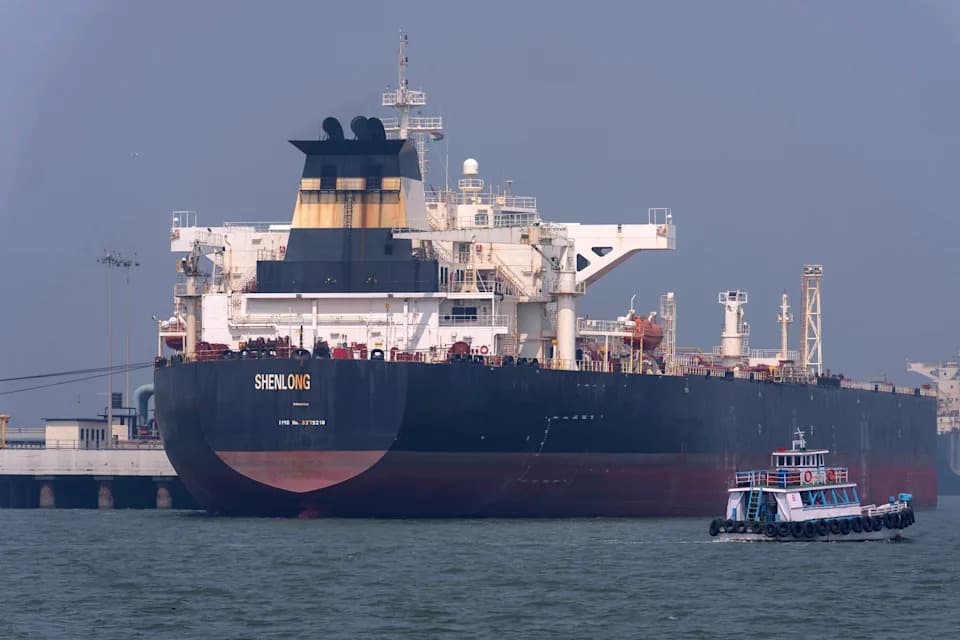
FILE - Liberia-flagged tanker Shenlong Suezmax, carrying crude oil from Saudi Arabia, that arrived clearing the Strait of Hormuz, is seen at the Mumbai Port in Mumbai, India, Thursday, March 12, 2026. (AP Photo/Rafiq Maqbool, File)(ASSOCIATED PRESS)
The escalating conflict around Iran has pushed parts of the world into an energy triage, forcing governments to decide where to cut demand and where to absorb higher costs as supplies tighten.
Asia Most Exposed
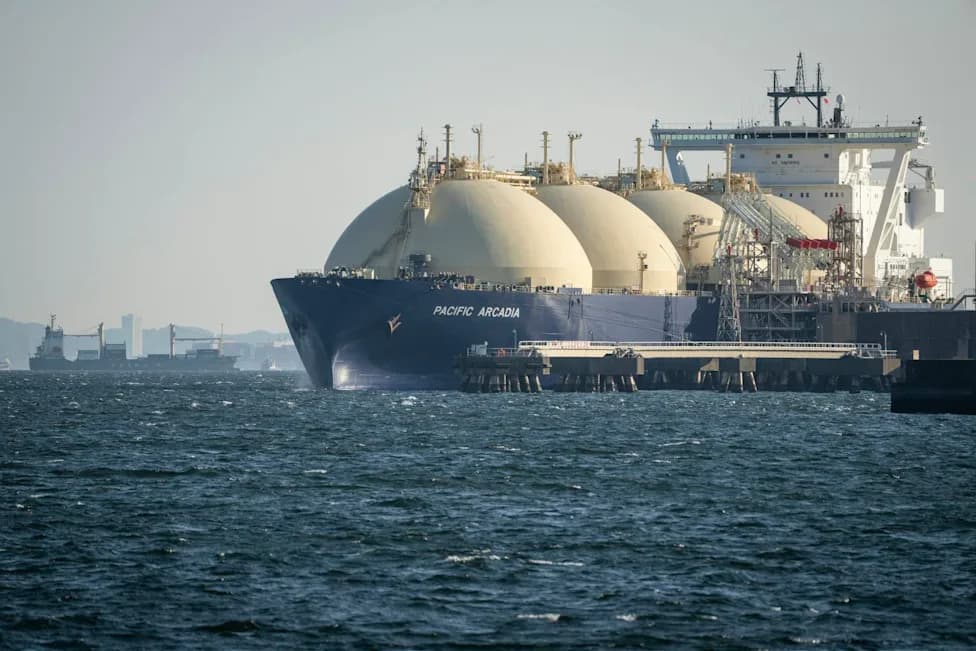
Asia is particularly vulnerable because it depends heavily on imported fuels, much of which transit the now-constricted Strait of Hormuz. That narrow waterway off Iran’s coast handles roughly one-fifth of global shipments of crude oil and liquefied natural gas (LNG).
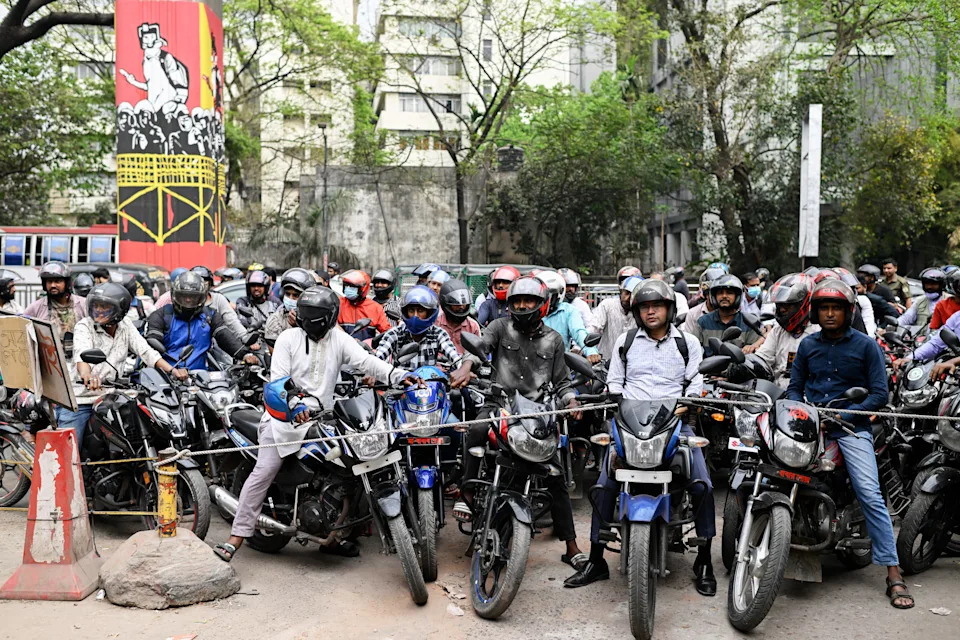
FILE - Motorists wait behind a rope for their turn to get fuel at a pump, fearing a possible fuel shortage due to the Iran war, in Dhaka, Bangladesh, Sunday, March 8, 2026. (AP Photo/Mahmud Hossain Opu, File)(ASSOCIATED PRESS)
Conservation, Competition and Trade-Offs
Governments across the region are scrambling to audit oil stocks, promote conservation, compete for shipments and blunt price spikes. Those measures involve difficult trade-offs: cutting electricity use can slow industrial output, while prioritizing household cooking gas can hurt restaurants and other businesses.
“Even relatively modest constraints on energy use can create a drag on industrial activity,” said Linh Nguyen of the consultancy Control Risks, noting Vietnam’s energy-intensive export sectors.
Domestic Measures to Reduce Consumption
Countries have rolled out a range of demand-reduction steps. In the Philippines, officials shifted to a four-day workweek and ordered offices to turn off computers during lunch and set air-conditioning no cooler than 24°C (75°F). Vietnam has encouraged remote work; Thailand’s prime minister urged officials to take the stairs instead of elevators. While these actions conserve fuel, they also carry economic costs for small businesses and low-margin vendors.
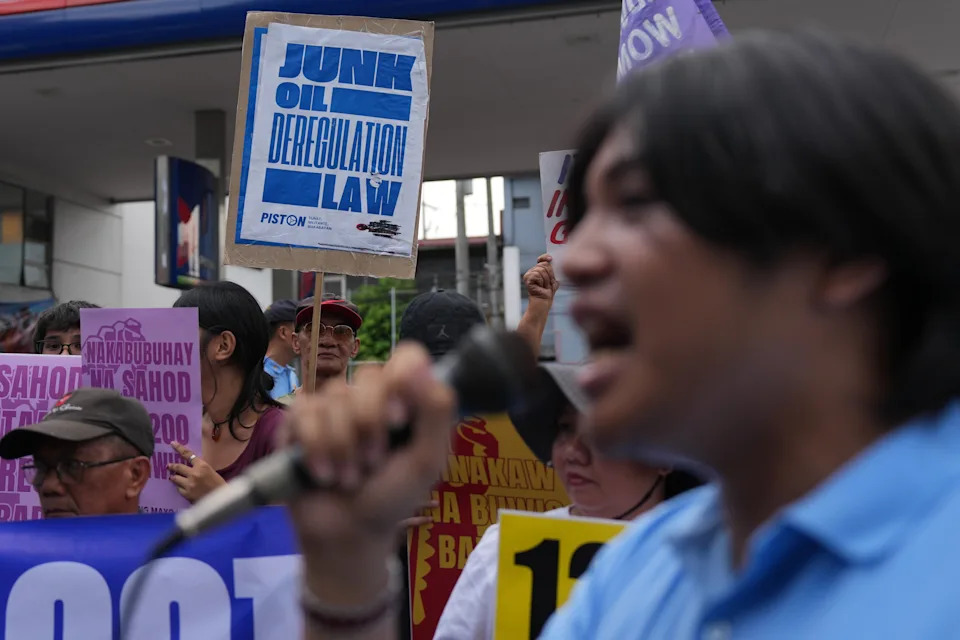
FILE - Protesters hold slogans during a rally against the recent big oil price hike on Tuesday, March 10, 2026, outside a gasoline station in Quezon city, Philippines. (AP Photo/Aaron Favila, File)(ASSOCIATED PRESS)
“If my costs go up by even a little, the profit is almost gone,” said Dieu Linh, a vegetable seller in Hanoi, describing how small increases in fuel costs squeeze livelihoods.
Strategic Releases and Their Limits
To blunt price spikes, major economies are tapping strategic reserves. Japan — which holds about 254 days’ worth of supplies under its strategic stockpile system — began releasing roughly 45 days’ worth of oil this week. South Korea plans to release 22.46 million barrels as part of the International Energy Agency’s coordinated drawdown.
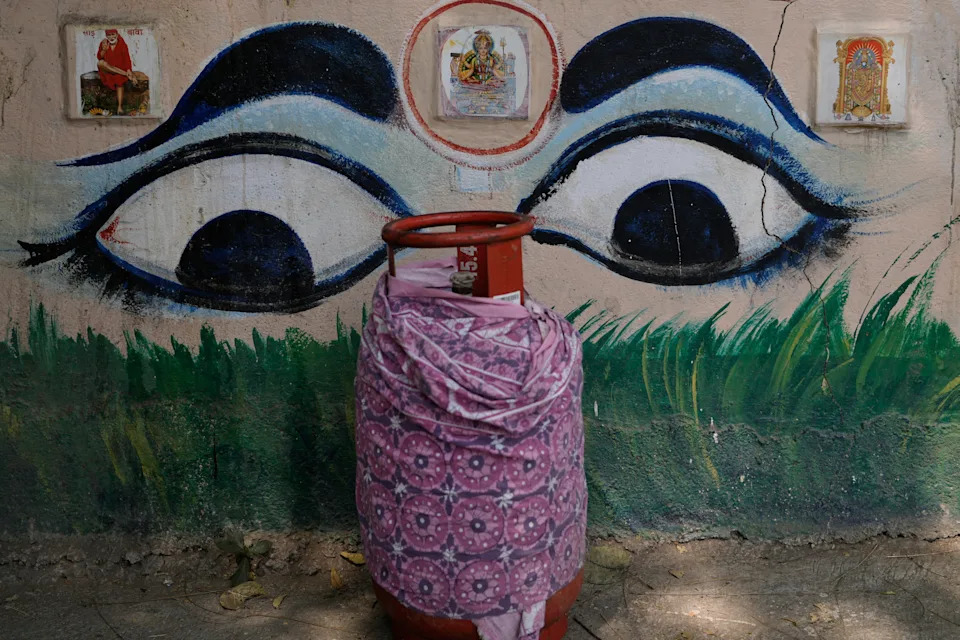
FILE - An empty liquefied petroleum gas cylinder is seen beside a temple while a customer waits at a depot for the cylinder to be refilled in Hyderabad, India, Wednesday, March 11, 2026. (AP Photo/Mahesh Kumar A., File)(ASSOCIATED PRESS)
Analysts say such releases provide short-term relief but are not a long-term fix. “It gives refineries some buffer,” said Muyu Xu of energy consultancy Kpler, “but it does not increase a country’s overall supply unless oil released can be bought back.” If disruptions continue, shortages could reappear within weeks.
Household Protections Strain Budgets and Businesses
India has directed limited supplies of liquefied petroleum gas (LPG) toward households and absorbed much of the price increase through subsidies, but restaurants and hotels are already trimming menus or reducing hours. Experts warn subsidy schemes can be fiscally unsustainable if the crisis prolongs.

Philippine President Ferdinand Marcos Jr., talks to a tricycle driver as he visits a cash relief assistance center to help drivers in their livelihood as oil prices continue to rise on Tuesday, March 17, 2026, in Manila, Philippines. (AP Photo/Aaron Favila)(ASSOCIATED PRESS)
Indonesia has pledged to hold fuel prices through Eid al-Fitr, but with only about a 20-day reserve the country faces rapid market swings and difficult choices about subsidies and inflation if the conflict endures.
Regional Knock-On Effects
Thailand’s halt on fuel exports to conserve domestic reserves contributed to shortages in Cambodia, closing nearly one-third of the country’s roughly 6,000 gas stations. More than 80% of the LNG that transited the Strait of Hormuz in 2024 went to Asia, much of it bound for Japan, South Korea and Taiwan, according to the U.S. Energy Information Administration — underlining how disruptions reverberate across the region.
Long-Term Solutions and Political Constraints
Experts say the fundamental challenges will not be solved by short-term releases and conservation alone. Renewable energy, diversified supply chains and expanded domestic capacity are cited as long-run remedies, but political, economic and infrastructure barriers make rapid transition difficult. Policymakers are balancing immediate relief with long-term resilience planning.
Reporting note: Associated Press reporters contributed reporting from Hanoi, Bangkok, Brussels and New Delhi. The AP’s climate and environmental coverage is supported by private foundations; the AP is solely responsible for content.
Help us improve.