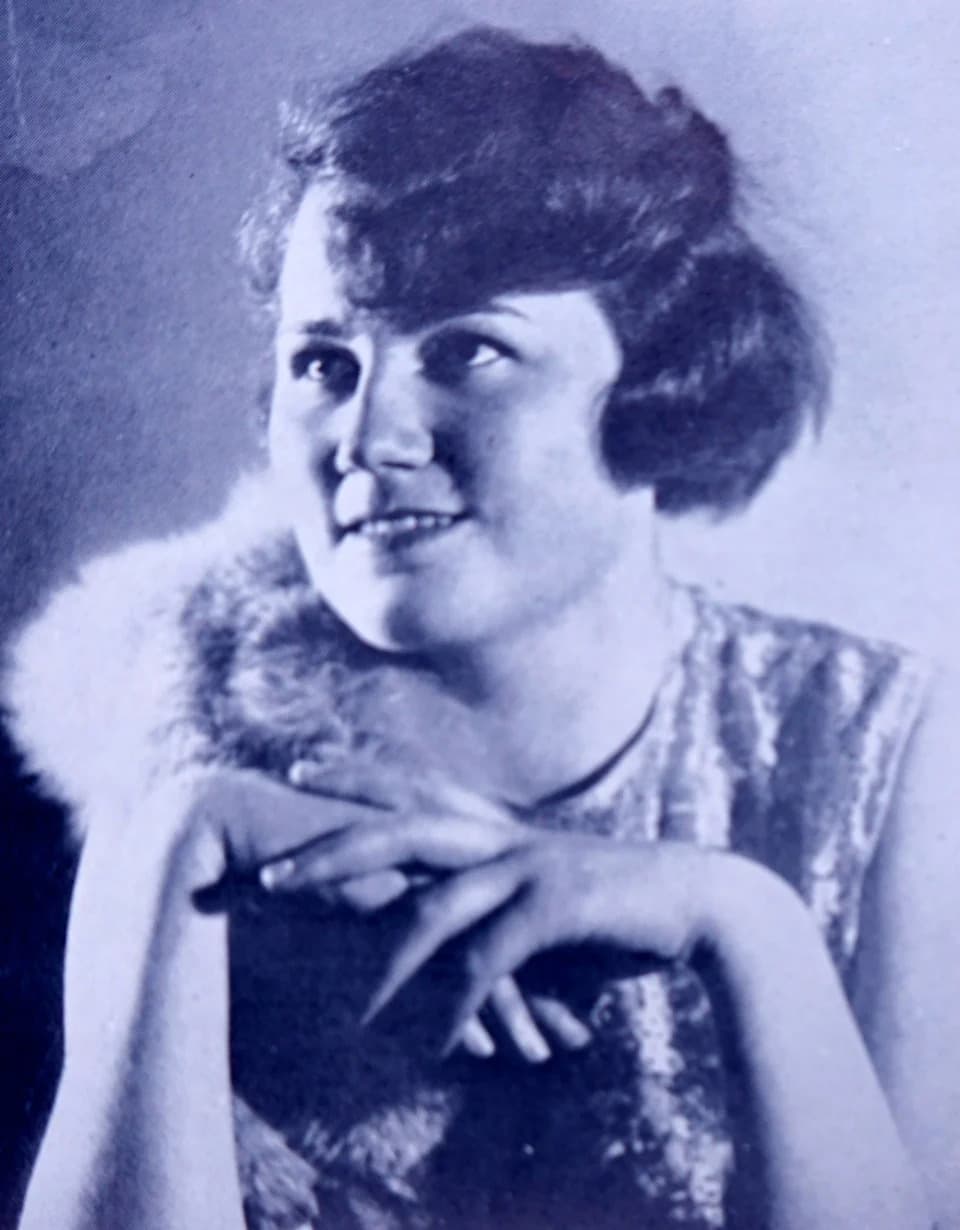
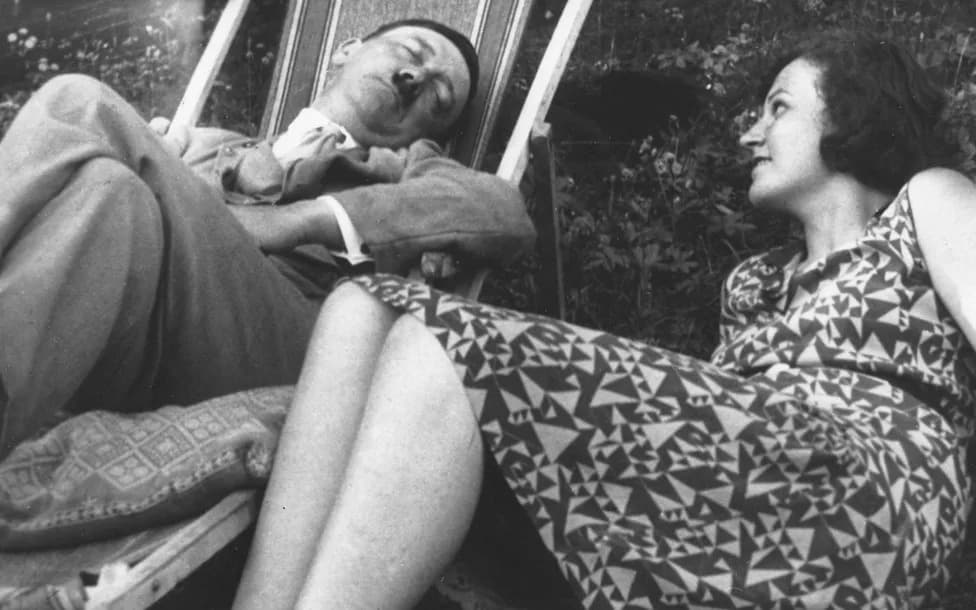
German historian Jürgen Matthäus says he has likely identified the Nazi gunman in a notorious WWII photograph as Jakobus Onnen. By reattributing the scene to the Berdychiv citadel and dating the massacre to July 28, 1941, Matthäus places the perpetrators in Einsatzgruppe C. The identification rests on archival research, family photographs and AI-assisted comparative analysis, though Matthäus stresses AI is only one supporting tool. The findings were published in Zeitschrift Für Geschichtswissenschaft.
Historian Identifies Nazi Gunman in Infamous WWII Massacre Photo — Jakobus Onnen Named
The Nazi in This Infamous Photo Has Been FoundUnited States Library of Congress's Prints and Photographs division
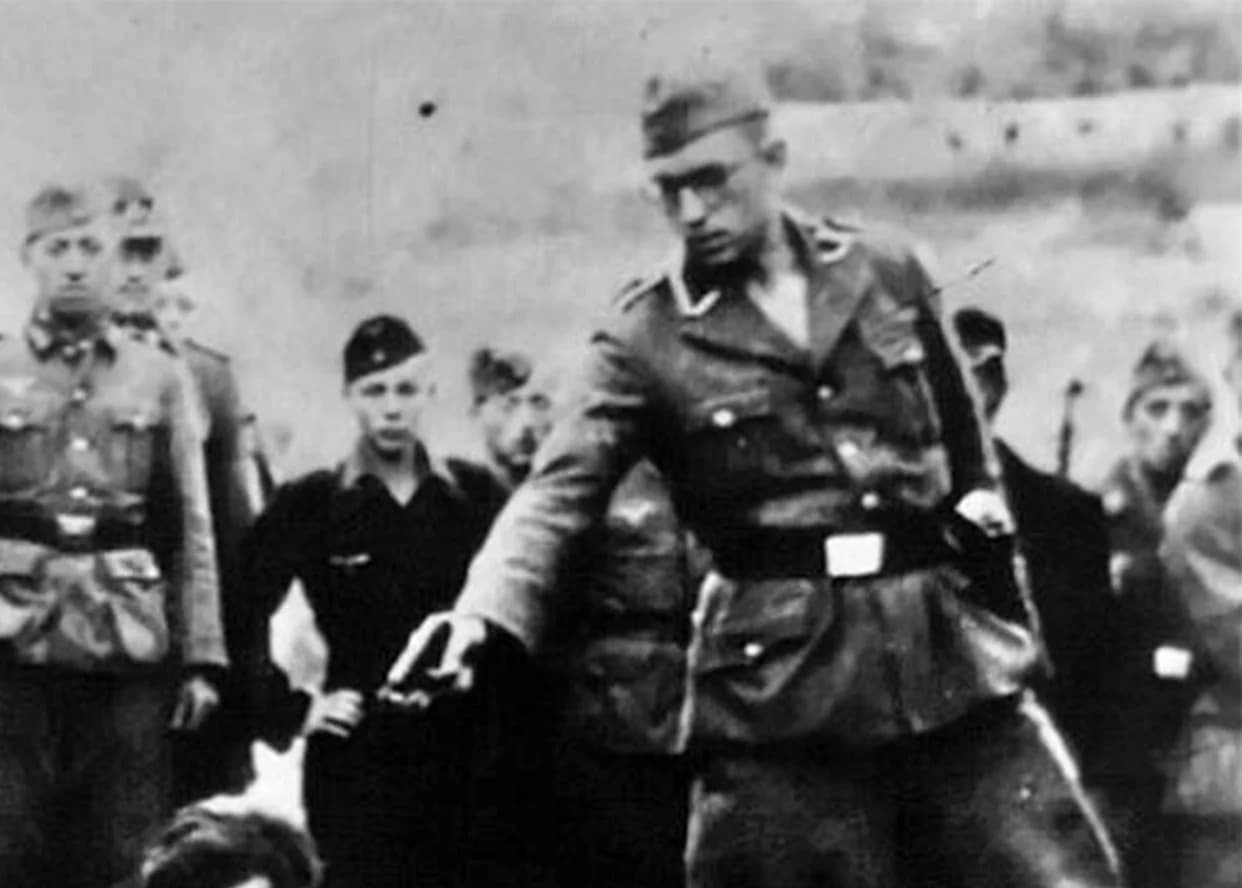
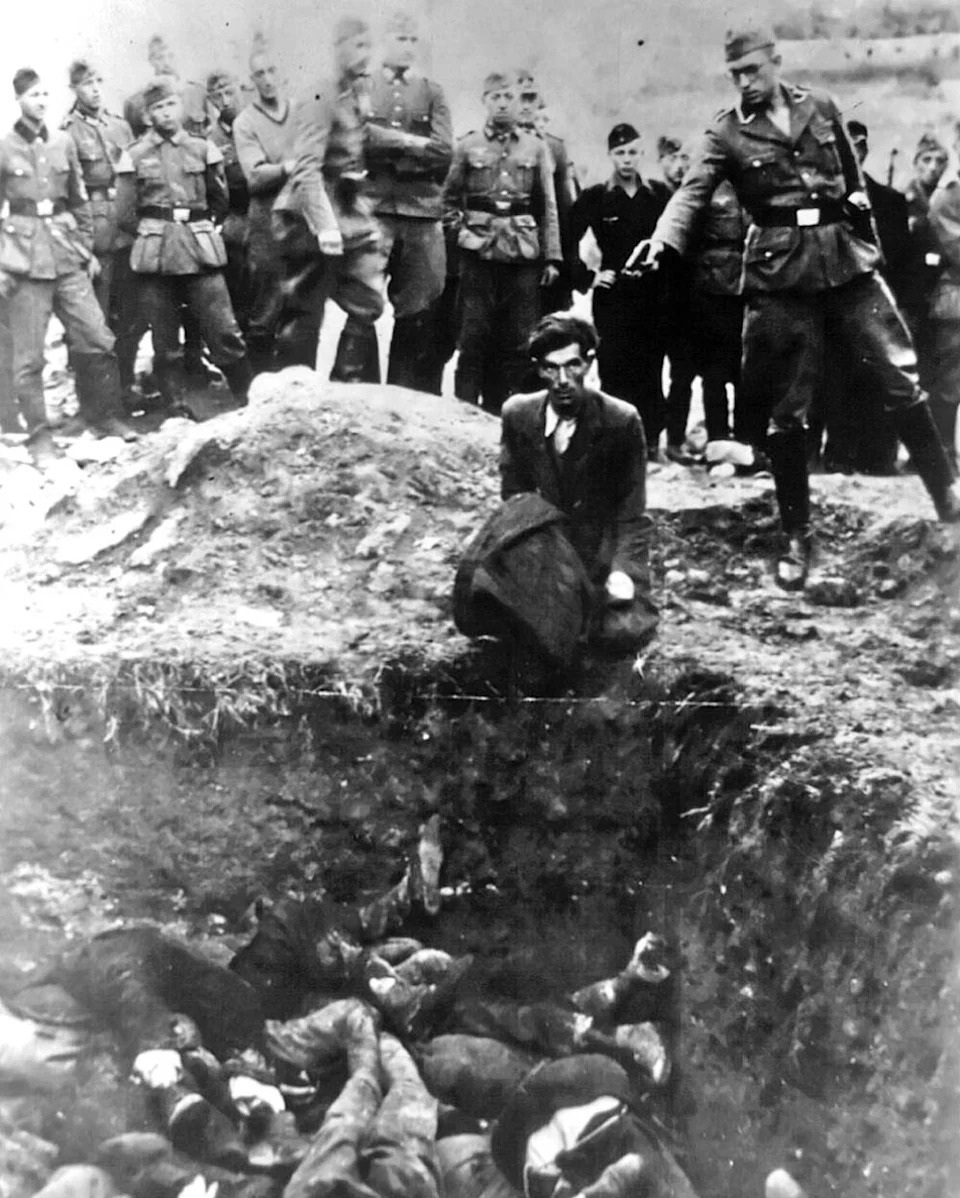
German historian Jürgen Matthäus says he has likely identified the bespectacled Nazi gunman who posed over a mass grave in an image long known as The Last Jew in Vinnitsa. After years of archival research, on-the-ground geographic comparisons and AI-assisted forensic image analysis, Matthäus attributes the photograph to a massacre at the citadel of Berdychiv and names the shooter as Jakobus Onnen.
The image and its meaning
The photograph—depicting an officer with a pistol to a kneeling man as other men in uniform look on—has become an iconic representation of what Hannah Arendt called the banality of evil. The image entered wider public view in 1961 when Munich-Allach survivor Al Moss provided it to the United Press during Adolf Eichmann's trial to show the reality of Nazi atrocities.
From mystery to location and date
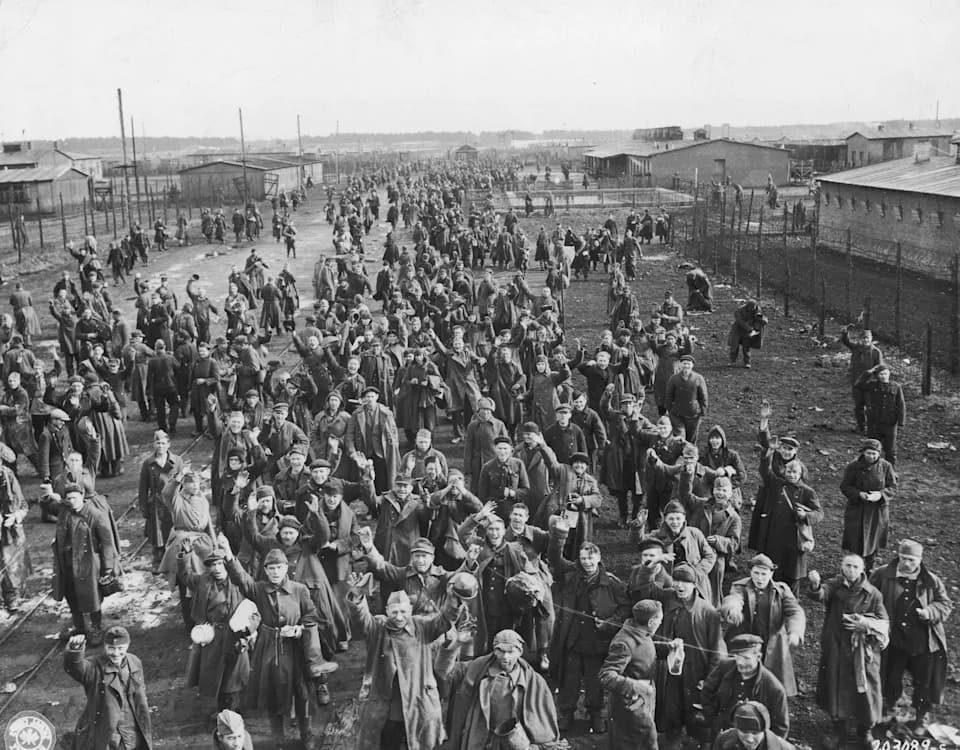
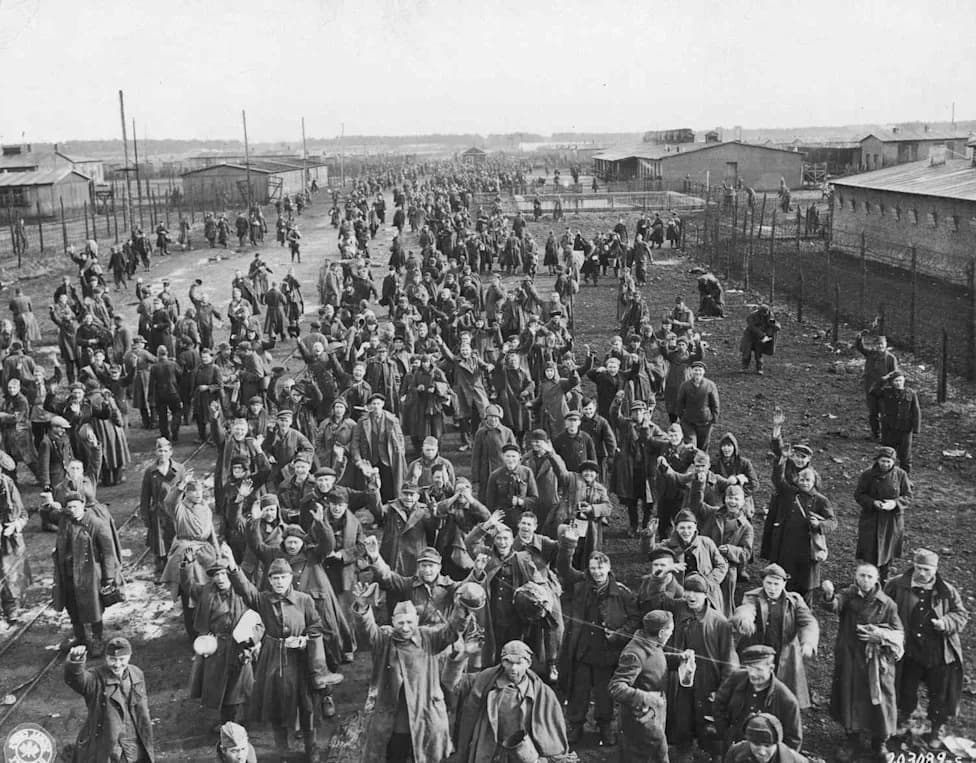
Matthäus first focused on placing the photograph in time and space. By comparing background features with 19th-century maps, contemporary photographs and modern satellite imagery, he concluded the scene is not in Vinnitsa but at the citadel of Berdychiv, about 150 kilometers southwest of Kyiv. Archival records and unit logs led him to identify the perpetrators as members of Einsatzgruppe C, then under the command of Otto Rasch, and to date the massacre to July 28, 1941.
How the identification came together
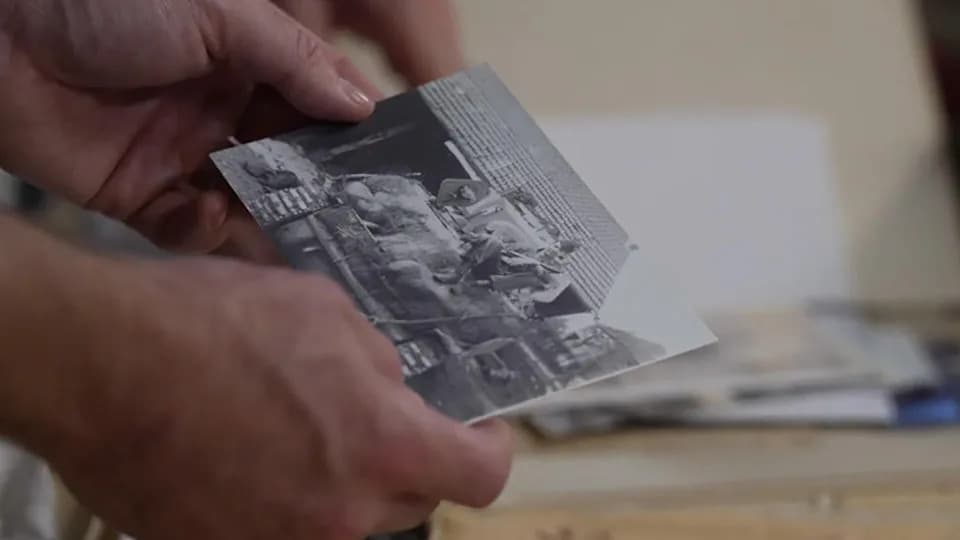
A reader contacted Matthäus after the initial findings, suggesting the gunman might be a relative, and provided family photographs. Although the family reportedly destroyed Onnen's wartime letters in the 1990s, the surviving photographs allowed for a visual comparison.
United States Library of Congress's Prints and Photographs division
Matthäus: The AI match is strong but not a silver bullet. Human judgment and archival corroboration remain essential.
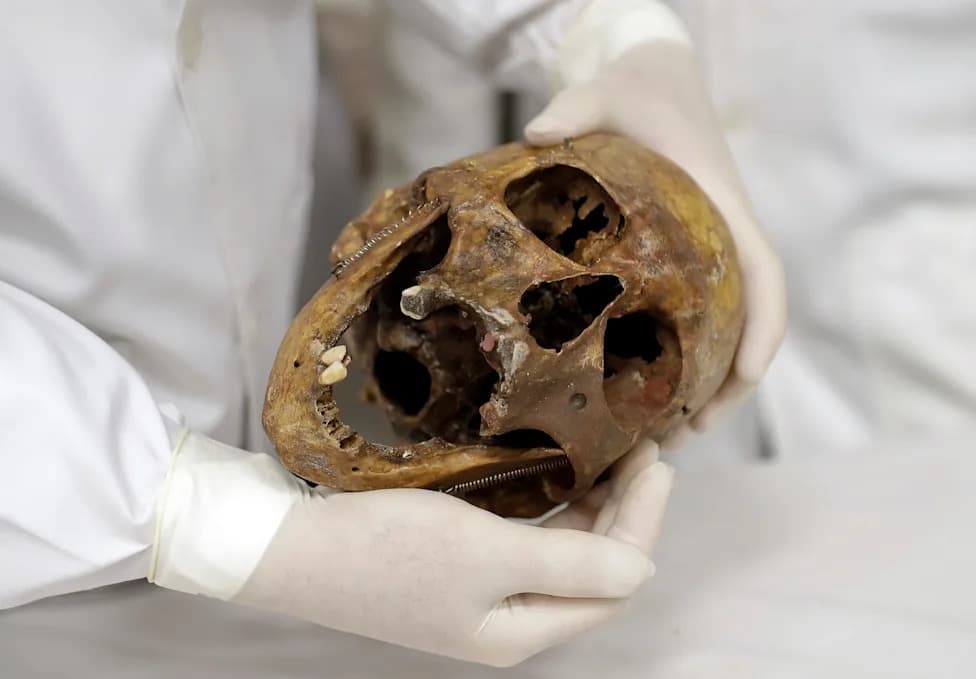
To strengthen the identification, Matthäus collaborated with investigative journalists and analysts to run a comparative AI analysis of the historical image and the family photos. Experts described the algorithm's output as an unusually high statistical match. Matthäus emphasized that the AI result was combined with documentary evidence and contextual research rather than used in isolation.
Who was Jakobus Onnen?
According to Matthäus's reporting, Jakobus Onnen was a teacher from Tichelwarf who joined the Nazi movement early, entering the Sturmabteilung in 1933 and later serving with units associated with Einsatzgruppe C. Matthäus now maintains he is confident Onnen is the man photographed holding the pistol.
Why pose for the photograph?
Matthäus cautions that motivations are difficult to prove. He argues the pose was unlikely to have been a career move within the murder squads; instead, it may have been staged to impress acquaintances back home. That conjecture is supported by the later destruction of Onnen's letters, which suggests family members sought to remove traces of involvement.
Implications
The identification personalizes a face long held as an anonymous symbol of atrocity, raising renewed questions about individual culpability, collective memory and the limits and responsibilities of modern investigative tools. Matthäus published his findings in Zeitschrift Für Geschichtswissenschaft (Journal Of Historical Studies), where he lays out the geographic, archival and technical evidence that underpins his conclusions.
While the new research does not change the photograph's broader meaning, it adds a name and a location to a long-anonymous killing, illustrating how archival sleuthing and modern technology can work together to clarify historical events.
Help us improve.