Newly uncovered Munich registry entries record that Angela 'Geli' Raubal's body may have been found at 10:15 a.m. on September 18, 1931 — a day earlier than the long-accepted timeline. If authentic, these documents place Adolf Hitler in Munich when the body was discovered, undermining a central element of his traditional alibi. Historians Harald Sandner and Thomas Weber say the records merit close attention but caution that altered dates are not proof of murder or official falsification. The case remains unresolved after nearly a century.
New Munich Records Upend Hitler’s Alibi in Niece Geli Raubal’s Mysterious Death

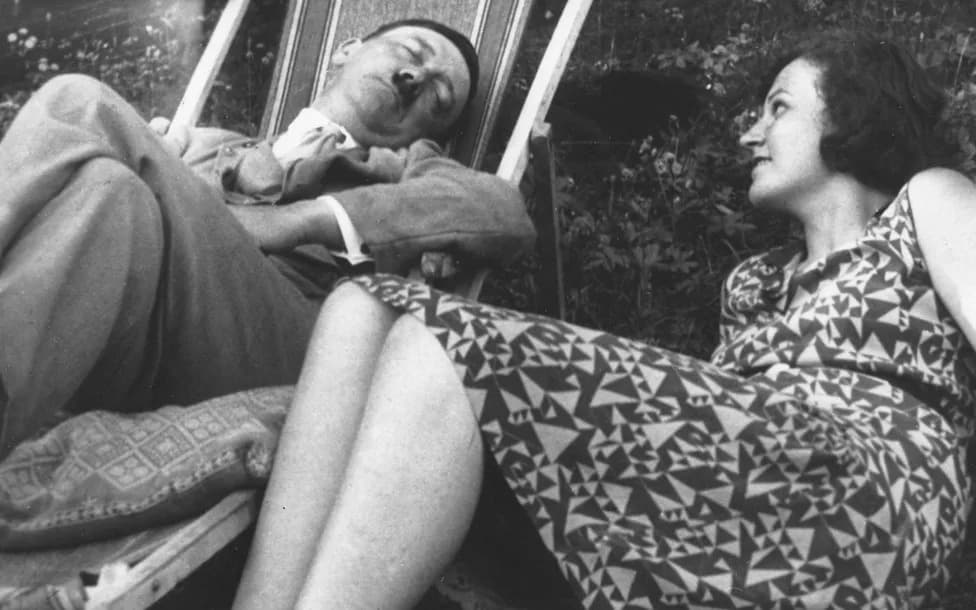
Universal History Archive / Getty Images
Newly discovered Munich archival entries have reopened one of the most enduring mysteries of early 20th-century Europe: the death of Angela 'Geli' Raubal, Adolf Hitler's 23-year-old half-niece, who was found in his Munich apartment in September 1931 with a gunshot wound to the chest. Authorities originally ruled the death a suicide, but fresh records suggest the accepted timeline may be wrong — and that Hitler may have been in Munich when her body was discovered.
What the New Records Show
German historian Harald Sandner identified entries in Munich's official death register that record the discovery of Raubal's body at 10:15 a.m. on September 18, 1931, and two additional death notices in the archives bear the same date. That contrasts with the long-accepted account in which Raubal's body was found on September 19, after Hitler had already traveled to Nuremberg.
Where Hitler Was
Sandner's reconstruction — supported by historian Thomas Weber's review of photocopies — places Hitler in Munich on the morning of September 18. Weber, after an initial skepticism, described Sandner's work as meticulous and said the documents appeared credible, noting that three independent archival entries with the same date make a simple clerical error less likely.
Why the Timeline Matters
If the September 18 timestamps are authentic, they remove a central pillar of the traditional alibi: the idea that Hitler was already out of the city when Raubal was found. Sandner has suggested that police sympathetic to the Nazi Party might have had motive to obscure or alter records to protect Hitler, who was then trying to broaden his political appeal.
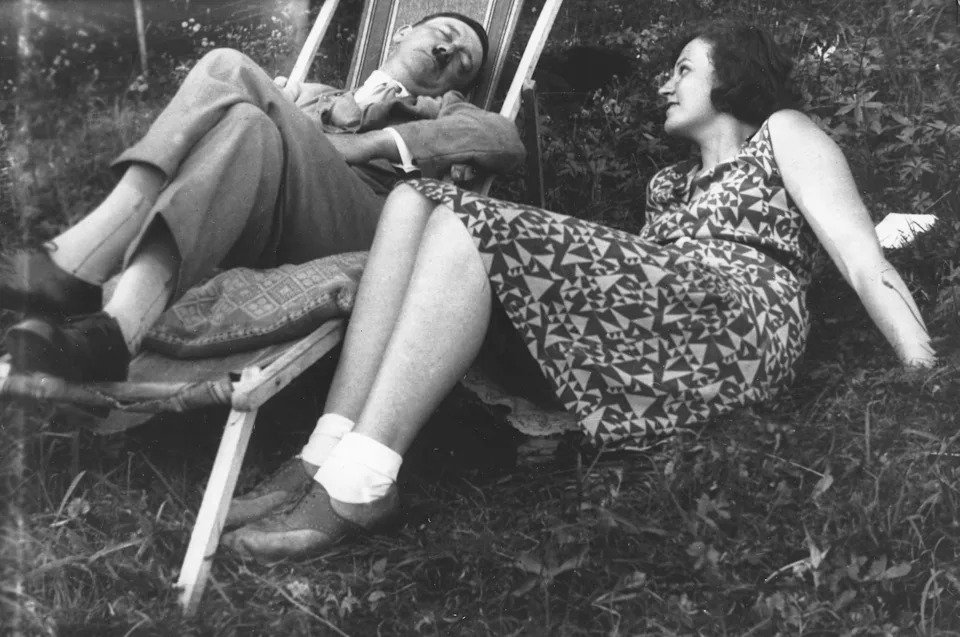
ullstein bild Dtl. / Getty Images
Thomas Weber: "Assuming the photocopies of the documents that Sandner shared with me are authentic, it seems clear that Raubal died a day earlier than we all have assumed over the last almost one hundred years."
What the Documents Do Not Prove
Crucially, the new documents do not establish murder, nor do they independently demonstrate that police falsified records. Contemporary and later accounts of the case have long been inconsistent; historians emphasize that altered dates complicate the story but are not the same as proof of a crime.
Historical Context and Ongoing Debate
Raubal lived with Hitler for several years while her mother worked in his household; many accounts describe their relationship as unusually close and controlling, and rumors about its nature have fueled speculation for decades. A reported quarrel shortly before her death — about Raubal's wish to leave Munich for musical studies in Vienna — factors heavily into theories ranging from suicide to homicide.
After nearly a century, the surviving evidence still does not yield a definitive answer. The newly surfaced archival material weakens one of the clearest elements of Hitler's alibi and shifts the focus from whether he could have been present to what might have transpired while he was there. Further archival work and forensic scholarship would be required to confirm the documents' provenance and to reassess the case with appropriate skepticism and rigor.
Originally published by Men's Journal on Sep 28, 2026 (News section).
Help us improve.