Summary: This opinion argues that a string of sexual misconduct allegations involving senior officials has become normalized in Washington during the Trump era. It details allegations against Tony Gonzalez, Kristi Noem, Lori Chavez‑DeRemer, Kash Patel and Robert F. Kennedy Jr., and ties these incidents to broader concerns about ethics, competence and the Justice Department’s handling of Epstein‑related records. The piece warns that eroding standards of conduct are undermining effective governance.
How the Trump Era Normalized Sex Scandals in Washington
Opinion: A recent wave of sexual misconduct allegations involving senior officials suggests that incidents once confined to tabloid headlines have become a recurring feature of Washington political life. These episodes raise questions about ethics, judgment and whether personal behavior is undermining effective governance.
High-Profile Cases and Their Impacts
Tony Gonzalez: After a married congressional staffer died by suicide, Representative Tony Gonzalez (R-Texas) initially denied an extramarital relationship. He later acknowledged the affair after the staffer’s text messages surfaced alleging he pressured her for explicit photos and used sexually explicit language.
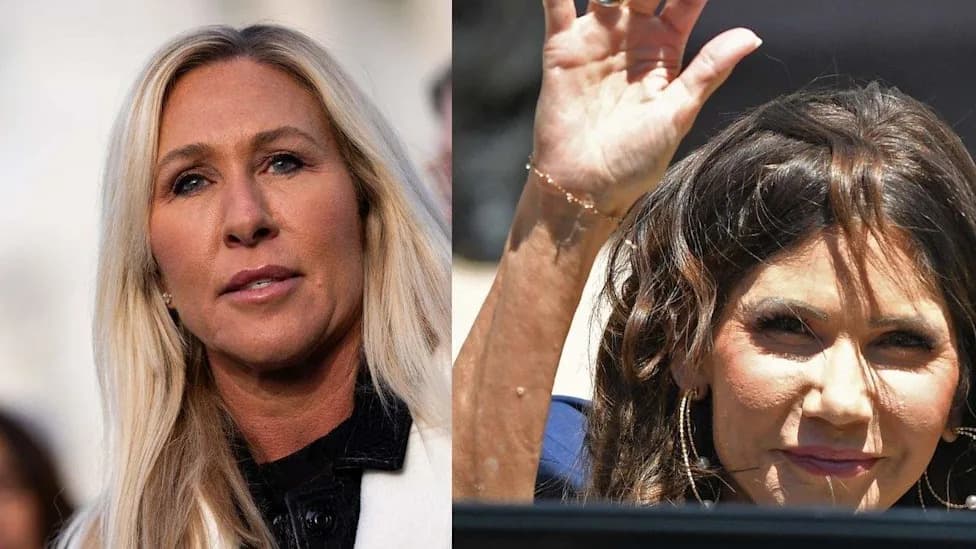
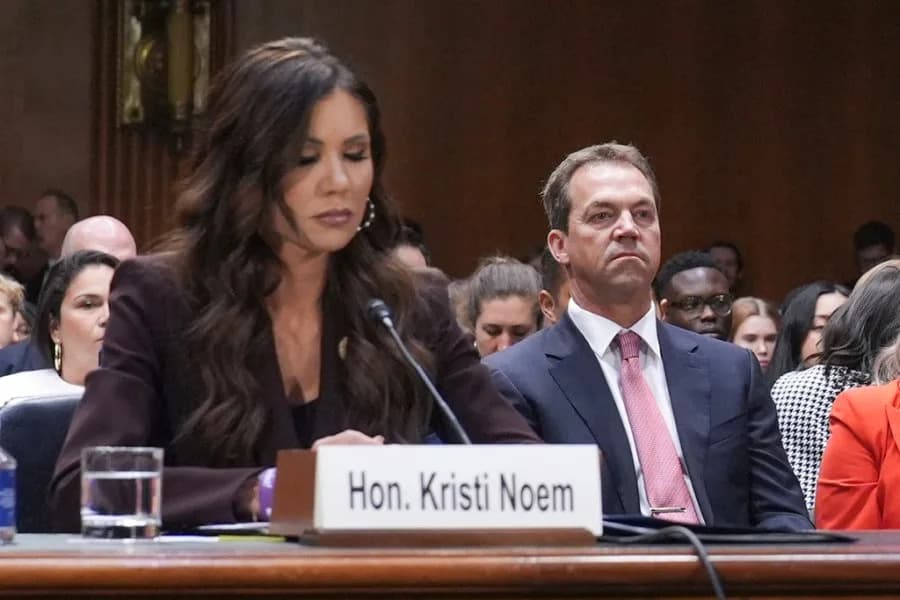
Kristi Noem and Corey Lewandowski: During a public hearing, Representative Sydney Kamlager-Dove asked Homeland Security Secretary Kristi Noem about reported romantic ties to Corey Lewandowski, former campaign manager to President Trump. Reports say the two have traveled together privately, a dynamic that drew awkward public attention and ethical questions given their personal situations.
Lori Chavez-DeRemer and the Labor Department: Labor Secretary Lori Chavez-DeRemer has been accused of an affair with a member of her security detail and of coordinating official travel that coincided with personal trips. Her husband has been reported as barred from the department after accusations of sexual assault; he denies those claims. The controversy coincided with the resignation of two senior aides, raising concerns about the department’s focus at a time when workers need steady leadership.
Kash Patel and Use of Government Resources: Reports have alleged that FBI Director Kash Patel used government aircraft and personnel in ways that benefited his girlfriend, Alexis Wilkins. Former agents called the scale of protection unprecedented and inappropriate, sparking internal questions about standards and resource use at the bureau.
Robert F. Kennedy Jr.: The Health and Human Services secretary faced embarrassment after revelations of sexually explicit texting with a journalist that were later detailed in a tell‑all account and republished online. The episode added to the pattern of personal conduct becoming public and consequential.
Broader Context: Epstein, Trump and a Shifting Standard
These episodes exist alongside ongoing scrutiny of the Justice Department’s handling of the Jeffrey Epstein-related records and debates about transparency under the Epstein Files Transparency Act. The long shadow of President Trump’s association with Epstein — and the persistent headlines about that relationship — amplify public unease. Critics point to a pattern where serious ethical questions become background noise amid broader controversies.
“There’s a tendency to talk of Noem, Patel and their perk‑minded compatriots as grifters… But that obscures and gives short shrift to their fundamental sloppiness, selfishness…they simply don’t do their jobs — or at least don’t do them earnestly, maturely or competently.” — Frank Bruni
Past controversies — from the Access Hollywood tape to hush‑money disputes and civil judgments — set a precedent for how political allies and the public respond. Daniel Patrick Moynihan’s warning that culture can “define deviancy downward” resonates as these incidents multiply.
Conclusion
Whether this pattern reflects a new tolerance for personal misconduct or a breakdown in accountability, the practical effect is the same: attention and leadership are diverted. If governance suffers because personal behavior is excused or minimized, the public interest is at stake.
Juan Williams is a senior political analyst and historian; this column synthesizes recent reporting and public records to examine trends in political ethics and leadership.
Help us improve.