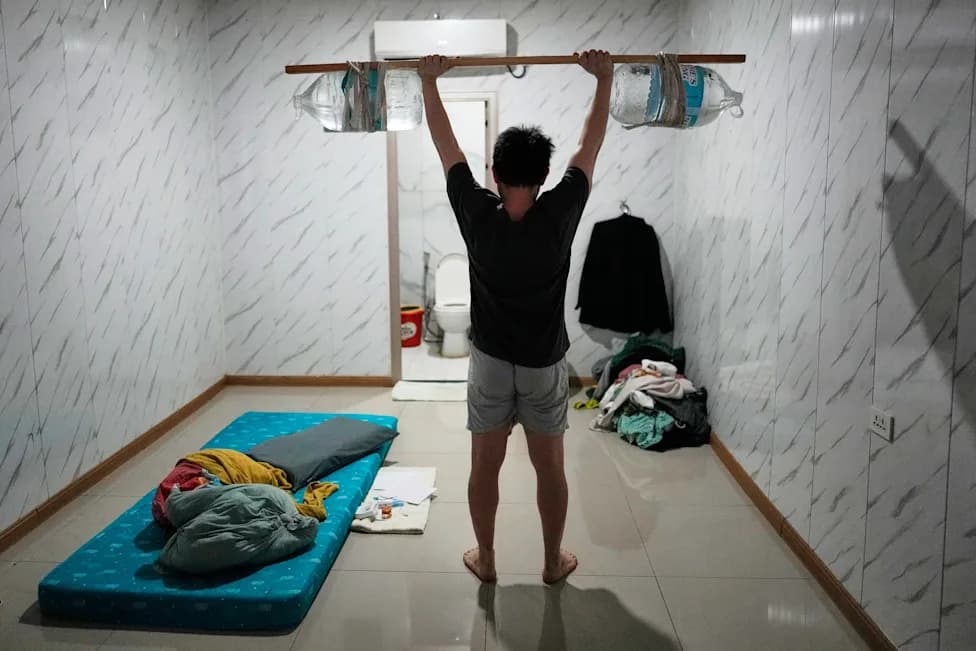
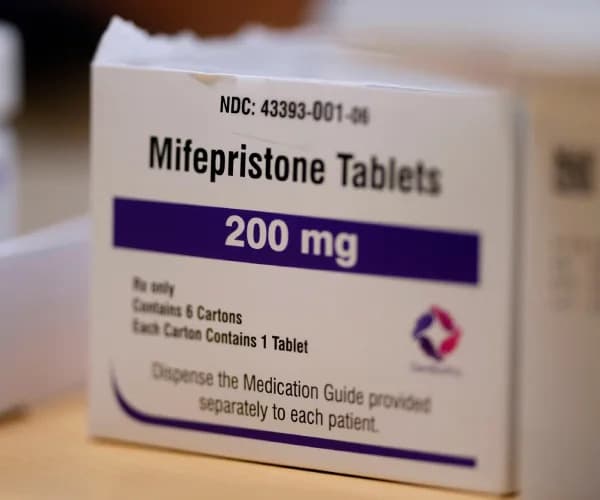
In the predominantly Catholic Philippines, a near-total ban on abortion is driving many women to seek abortifacients and procedures through unregulated online networks. Although post-abortion care is legal, fears of prosecution and professional sanctions deter some providers, leaving thousands with limited options. Advocacy groups estimate over 250 hospitalizations and about three deaths daily from unsafe abortions, and warn that crackdowns on online sources risk making safe information harder to find.
Abortion Ban Fuels Risky Online Market in Predominantly Catholic Philippines
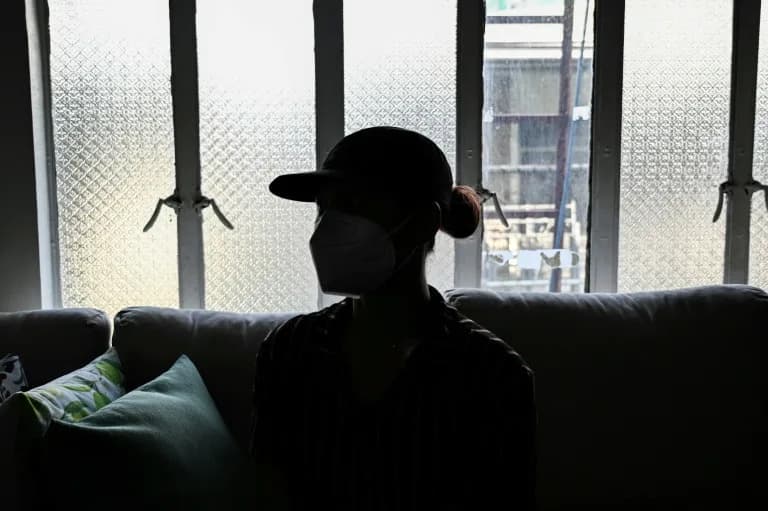
This photo taken on December 3, 2025, shows a woman during an interview with AFP in Quezon City, Metro Manila. Abortions are strictly outlawed in the mainly Catholic Philippines, forcing women to turn to a patchwork of providers operating in the online shadows (Jam STA ROSA)(Jam STA ROSA/AFP/AFP)
Jane bled heavily for days before seeking help — not at a hospital, but from the person who had sold her pills to terminate a six-week pregnancy. Her account illustrates a growing trend in the overwhelmingly Catholic Philippines, where a near-total ban on abortion pushes women toward unregulated online networks and informal providers.
How the Ban Drives Online Searches
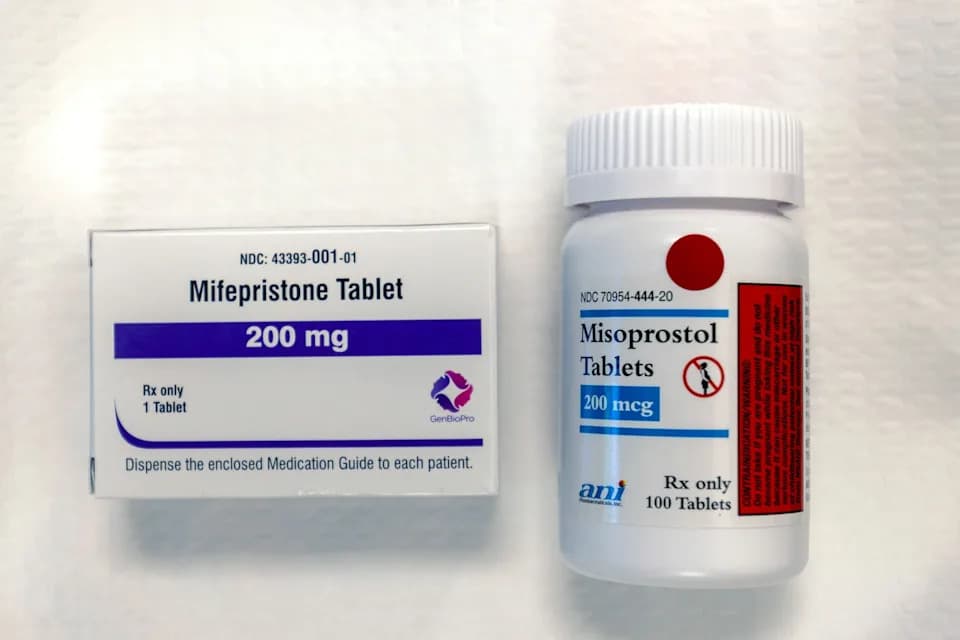
Though prosecutions are uncommon in practice, Philippine law permits prison sentences of up to six years for people who undergo or provide abortions. That legal threat, combined with limited access to contraception and weakened implementation of reproductive-health measures, has sent thousands of Filipinas to social media groups and online forums where unlicensed sellers advertise abortifacients and risky procedures.
Human Cost and Unsafe Methods
Advocates document extreme and dangerous attempts to end pregnancies: binding the abdomen, inserting objects into the cervix, or otherwise inducing trauma. A study by the Philippine Safe Abortion Advocacy Network (PINSAN) estimates more than 250 women are hospitalized daily with complications from unsafe abortions, and roughly three die each day. Jane said she suffered abdominal pain, weakness and loss of appetite for up to three months following the procedure and would still choose the same path given her circumstances.
“It was very painful, as if my abdomen was being twisted,” Jane told AFP, recalling how a man who claimed to be a doctor inserted a pill into her cervix without anesthesia. She said she was warned not to report complications.
Barriers to Post-Abortion Care
Post-abortion care has been legal for more than a decade, but many health workers remain reluctant to provide services because they fear arrest or professional sanctions. Junice Melgar of the Likhaan Center for Women’s Health says providers may find it ethically right to help but that liability concerns create a chilling effect that limits access for the poorest women.
Policy, Politics and the Church
The 2012 reproductive health law aimed to expand comprehensive sex education and free contraceptives, but its rollout was weakened by opposition from the Catholic Church and conservative lawmakers. Funding was cut, conscience clauses were broadened to let providers refuse services, and access to emergency contraception was restricted.
“The Catholic Church will always oppose abortion and its applications,” Father Dan Cancino of the Catholic Bishops' Conference of the Philippines told AFP, while acknowledging narrow moral allowances in life-threatening cases such as certain ectopic pregnancies.
Advocacy groups say that narrow legal exceptions would not address the reality that many people seeking abortions are married women with children for whom an unintended pregnancy can deepen poverty or expose them to further harm.
Enforcement and the Risk of a Chilling Effect
Authorities have begun to take notice of the online market. In January, a lawmaker requested an investigation into the rising use of social media to find abortion options, and the Senate has urged the Department of Health and the Food and Drug Administration to crack down on illicit sellers. Some women and advocates warn that aggressive enforcement of online platforms could drive information and support further underground, making it harder to find reliable medical guidance.
What Advocates Want
Groups like PINSAN and Likhaan call for stronger protections for post-abortion care, wider access to contraception and clearer legal safeguards for health providers who treat complications. They emphasize that discussions about abortion should recognize it as a public-health issue as much as a legal or moral one: protecting women's health, they say, requires practical policy reforms as well as services that reach the most vulnerable.
Reporting: Accounts and statistics in this article draw on reporting by AFP and data shared by PINSAN and Likhaan Center for Women’s Health.
Help us improve.