South Korea plans to approve medication abortion using mifepristone and misoprostol for pregnancies up to nine weeks by Q1 2027, with doctors prescribing and dispensing the drugs for the first two years. The move follows a 2019 Constitutional Court ruling that decriminalized most abortions but left legislation unsettled. Authorities say the change will reduce unsafe online access and bring care into the national health system, while activists welcome it and religious and medical groups call for clearer legal safeguards and protections.
South Korea to Approve Abortion Pills by Q1 2027, Expanding Access to Medication Abortions

South Korean Gender Equality and Family Minister Won Min-kyong, center, speaks during a press briefing on the introduction of abortion pills at the Government Complex in Seoul, South Korea, Wednesday, Sept. 16, 2026. (Ahn Jeong-won/Yonhap via AP)
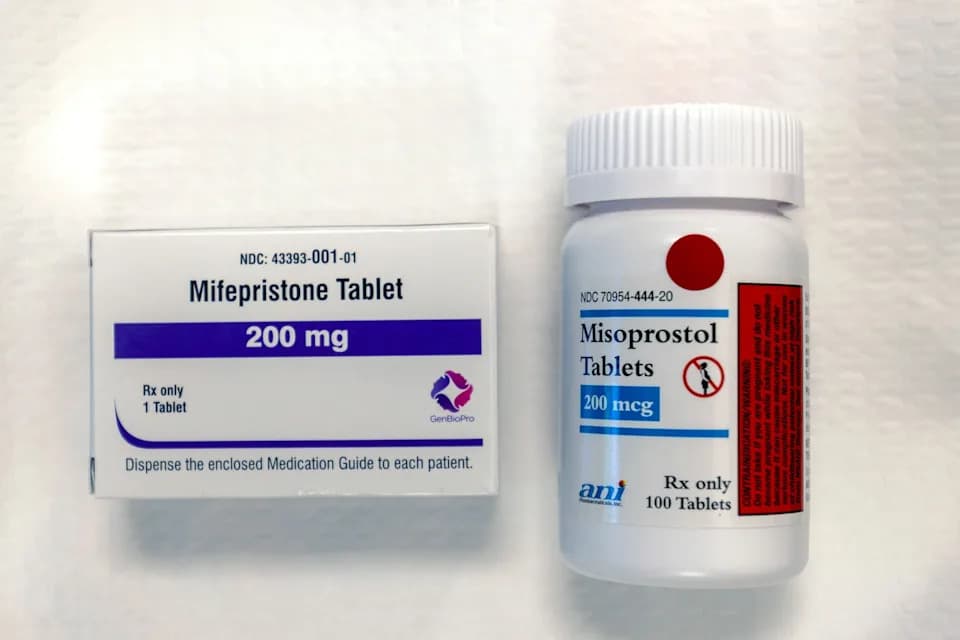
South Korea announced plans to approve medication abortion for the first time, aiming to permit a two-drug regimen of mifepristone and misoprostol for pregnancies up to nine weeks by the first quarter of 2027. Officials said that for the initial two years the drugs would be prescribed and dispensed directly by doctors as part of efforts to bring care into the national health system and reduce unsafe online use.
Background
In a landmark 2019 decision, the Constitutional Court ordered the easing of a decades-old ban on most abortions, effectively decriminalizing the procedure. Parliament has not yet revised related legislation, and opposition remains strong among many religious and conservative groups. The government’s recent move is intended to approve a local company's application to import a two-drug combination pack containing mifepristone and misoprostol, the regimen most commonly used for medication abortion in countries including the United States.
Why the Change Now
Authorities say the legislative gap has pushed some women to obtain abortion drugs through unauthorized online sources that are not verified as safe, created confusion in medical practice, and limited access to a full range of options—both surgical and medical. According to the Gender Equality and Family Ministry, roughly 100 countries had authorized the use of abortion pills as of 2024.
"This introduction of medication abortion is meaningful because it's a step to make sure that ending pregnancy is done more safely and within the national healthcare system," Gender Equality and Family Minister Won Min-kyong said at a news conference.
Medical Context and Statistics
Government-affiliated research estimated about 32,000 abortions occurred in South Korea in 2020. Obstetrician-gynecologist Lee Jae-kwan said most abortions in the country are surgical. Some doctors have prescribed misoprostol—approved for stomach ulcers in many places—to induce abortion; while such off-label use has not led to prosecutions, it is not sanctioned for that purpose.
Reactions
Women's groups welcomed the announcement as a step toward safer, regulated care. The Korea Women's Associations United called it "a first step toward supporting a safe ending of pregnancy" and urged faster access and coverage of costs under national health insurance.
The Catholic Bishops' Conference of Korea expressed "deep concerns," saying the plan "will further entrench a disregard for human lives in our society." The Korean Association of Obstetricians & Gynecologists said the government's measure alone cannot resolve potential problems and urged lawmakers to pass legislation that provides institutional safeguards for complications—such as incomplete miscarriage and heavy bleeding—and legal protections for clinicians who prescribe medication abortion for social or economic reasons.
Outlook
The proposal is a significant policy shift that aims to reduce unsafe access and integrate medication abortion into regulated healthcare. However, many stakeholders say clearer legislation is still needed to define safeguards, funding, and legal protections for medical professionals before broad rollout.
Help us improve.