Ukraine sent three specialist teams to the Gulf and Jordan to assess threats and demonstrate its drone-defence systems. President Volodymyr Zelenskyy said Kyiv expects technology transfers and financial support in return but stressed it is not at war with Iran. Ukraine's experience countering Iranian Shahed-136 drones has made its interceptors and jamming tools highly sought after, while Zelenskyy warned the Middle East conflict could affect Kyiv's air-defence supplies. He also said procurement rules must be tightened to prevent governments or firms from bypassing Ukrainian authorities.
Ukraine Seeks Technology and Funding After Sending Drone Experts to the Middle East
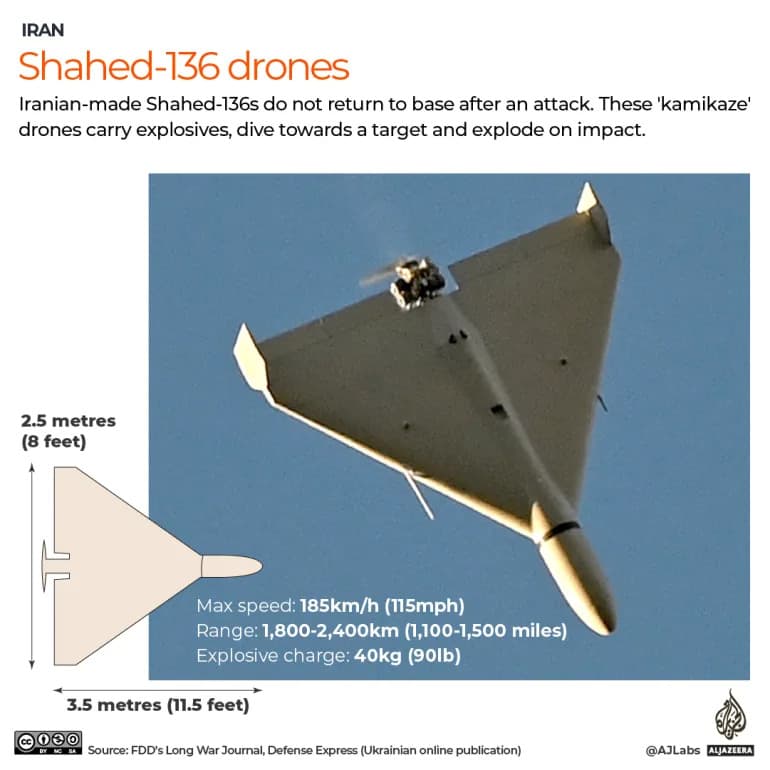
INTERACTIVE - SHAHED 136 drone
Ukraine has dispatched three specialist teams to the Middle East to assess threats and demonstrate its drone-defence capabilities as Gulf states face strikes linked to Iran and US military facilities in the region. Kyiv says it expects technology transfers and financial support in exchange for its expertise, while stressing it is not seeking to be drawn into a wider conflict with Iran.
What Zelenskyy Told Reporters
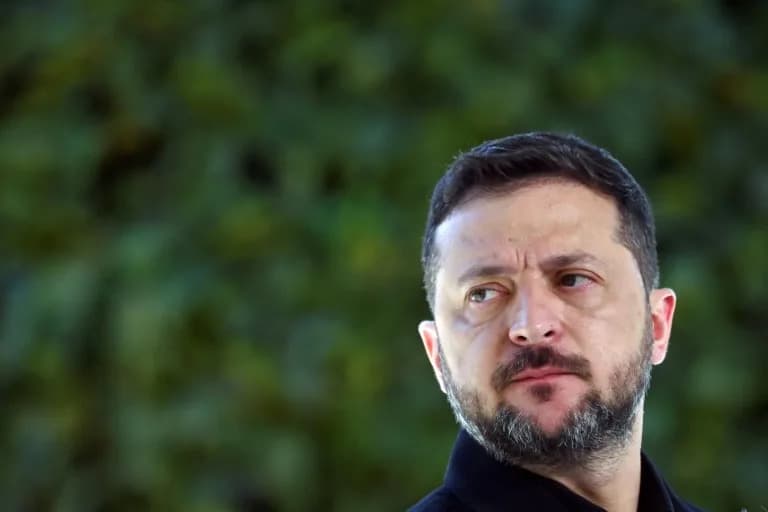
President Volodymyr Zelenskyy said the teams were sent to Qatar, the United Arab Emirates, Saudi Arabia and a US military base in Jordan to carry out expert assessments and show how Ukraine’s counter-drone systems work. "This is not about being involved in operations. We are not at war with Iran," he said, emphasizing Kyiv's focus on technical assistance rather than combat involvement.
Kyiv Wants Technology And Funding
Zelenskyy added that these visits could lead to longer-term contracts on drone-defence systems with Gulf partners, but that the exact terms of what Kyiv would receive remain to be negotiated. "For us today, both the technology and the funding are important," he said, noting that Ukraine expects concrete returns for its assistance.
Ukraine's Hard-Won Expertise
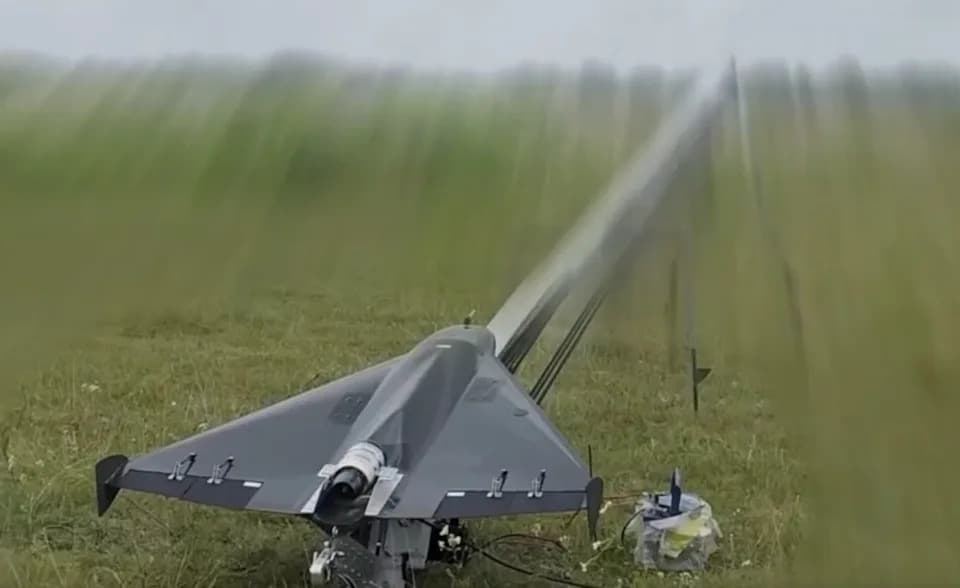
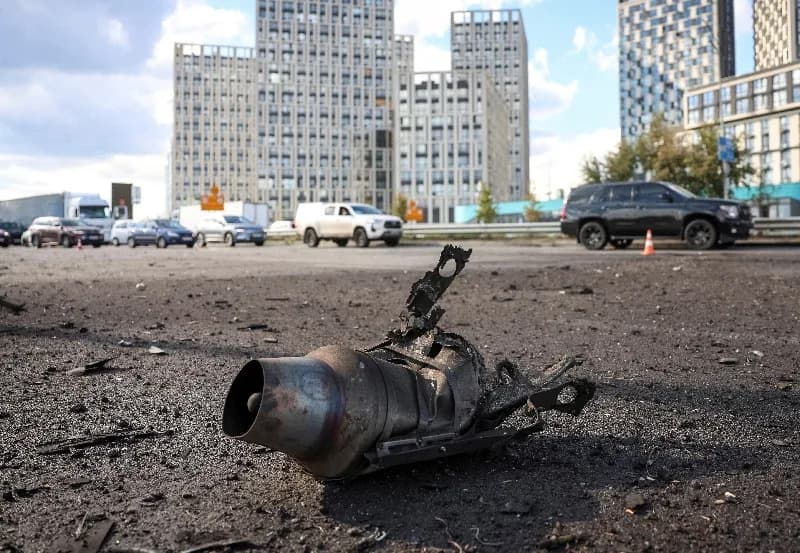
Over four years of war with Russia, Ukrainian forces have gained practical experience countering Iranian-made Shahed-136 "suicide" drones. Kyiv has used inexpensive interceptors, electronic jamming and anti-aircraft weapons to neutralize these unmanned aerial vehicles, giving it a package of know-how that is now in demand.
US Reaction And A Stalled Drone Deal
Zelenskyy said he does not understand why a formal drone agreement with Washington has not been finalized after months of Kyiv pushing for one. He said he had hoped for a deal in the range of $35–50 billion. Separately, former US president Donald Trump has publicly said the US does not need Ukraine's assistance to defend American targets from Iranian drones.
Supply And Procurement Concerns
With the Russia–Ukraine conflict ongoing, Zelenskyy warned that a new escalation in the Middle East could strain Kyiv's access to air-defence missile supplies. He also said Ukraine will tighten procurement rules so that foreign governments and companies cannot bypass Kyiv and negotiate directly with private manufacturers. "Unfortunately, representatives of certain governments or companies want to bypass the Ukrainian state to purchase specific equipment," he said, adding that contracts should flow through official political channels before private-sector negotiations begin.
Why It Matters: Kyiv’s expertise in countering cheap, massed drones is a strategic asset. Securing technology transfers and funding would both reward that expertise and help sustain Ukraine’s air-defence capabilities amid competing global crises.
Help us improve.