Iran’s ambassador to Saudi Arabia, Alireza Enayati, denied Tehran carried out recent attacks on Saudi oil sites and said Iran would have claimed responsibility if it had. He reiterated Iran is targeting US and Israeli military assets amid retaliatory operations following strikes at the end of February. Enayati stressed ongoing diplomatic contact with Saudi officials, called for deeper Gulf cooperation, and supported a joint investigative approach. Analysts say the confrontation increasingly centres on endurance rather than sheer firepower.
Iran’s Ambassador Denies Tehran Behind Strikes On Saudi Oil Sites, Urges Gulf Unity
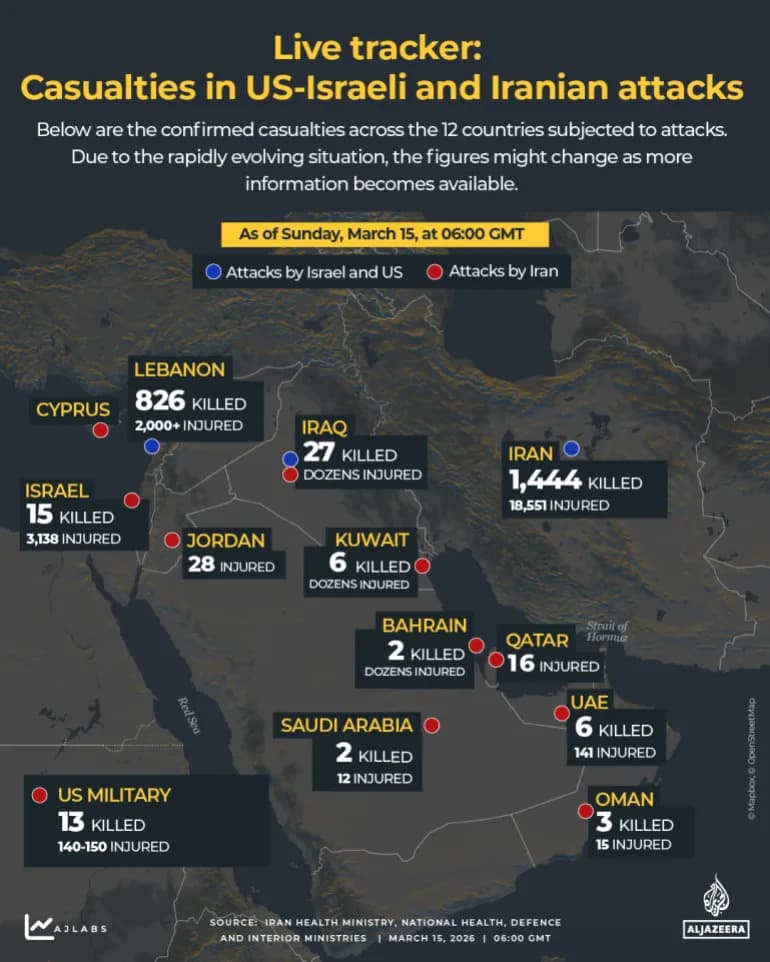
INTERACTIVE - DEATH TOLL - tracker - war - US Israel and Iran attacks - March 15, 2026-1773559836
Iran’s ambassador to Saudi Arabia, Alireza Enayati, has denied that Tehran was responsible for recent strikes on Saudi oil infrastructure, saying that “if Iran had carried out the attacks, we would have publicly taken responsibility.”
Speaking to Reuters, Enayati did not name an alternative perpetrator but reiterated that Iran’s actions are directed at United States and Israeli military targets and interests amid ongoing regional hostilities. He described recent operations as retaliatory following strikes on Iran at the end of February.
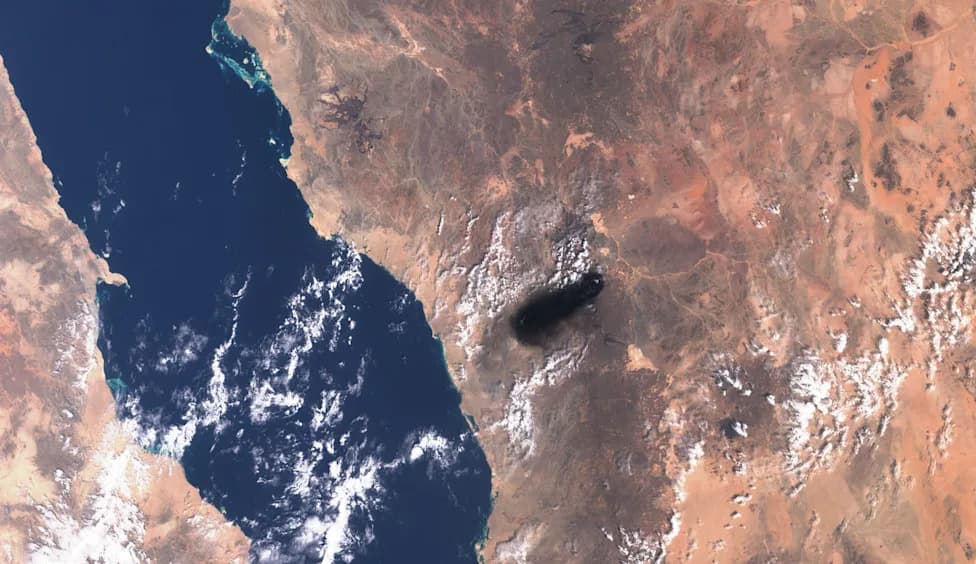
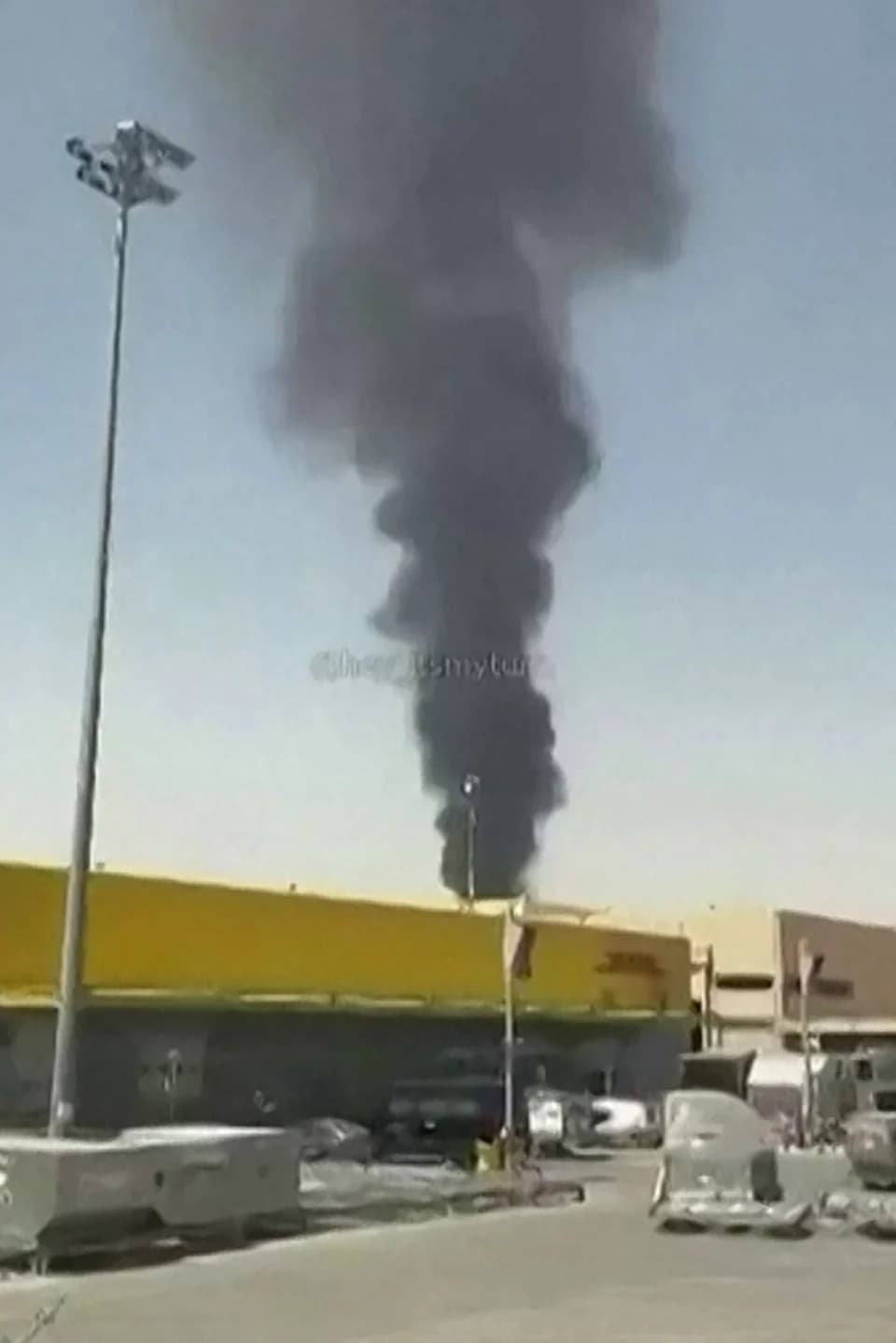
Last week, the Ras Tanura oil refinery temporarily halted operations after debris from a drone ignited a small fire. Authorities also reported attempted attacks on the Shaybah oilfield near the border with the United Arab Emirates (UAE). Saudi Arabia’s Defence Ministry has not officially attributed blame for those incidents.
Diplomatic Contacts and Regional Warning
Enayati said he remains in direct contact with Saudi officials and described bilateral relations as “progressing naturally” across multiple areas. He also noted that discussions included Saudi Arabia’s public assurance that its land, sea and airspace would not be used to launch attacks on Iran.
Reaffirming a broader diplomatic line, Enayati said the war “has been imposed on us and the region” and warned that Gulf neighbours must reassess ties: “We are neighbours, and we cannot do without each other; we will need a serious review.” He called for deeper cooperation among Gulf Cooperation Council (GCC) members, Iraq and Iran as an alternative to an “exclusionary approach” and excessive reliance on external powers.
Offers, Impact and Outside Analysis
Iran’s Foreign Minister, Abbas Araghchi, also denied that Tehran targets civilian or residential areas in the Middle East and said Iran would be prepared to form a joint committee with neighbouring states to investigate responsibility for such strikes.
The UAE—one of the countries that normalised ties with Israel in 2020—has reportedly borne much of the recent impact, with US bases and oil facilities among the principal targets. While affected countries have condemned the strikes, regional sources cited by Reuters express growing frustration with the United States for drawing Gulf states into a conflict they did not choose to join.
Expert view: Paul Musgrave, an associate professor at Georgetown University in Qatar, told Al Jazeera that the US administration has lost leverage in the region and that Washington engaged in the wrong conflict at the wrong time without adequate planning. He added that Iran’s current strategy appears to emphasize endurance—"who has the highest threshold for pain"—over raw arsenal size.
Enayati said the conflict could be resolved if the US and Israel stopped their strikes and if international security guarantees were provided to prevent further aggression.
Help us improve.