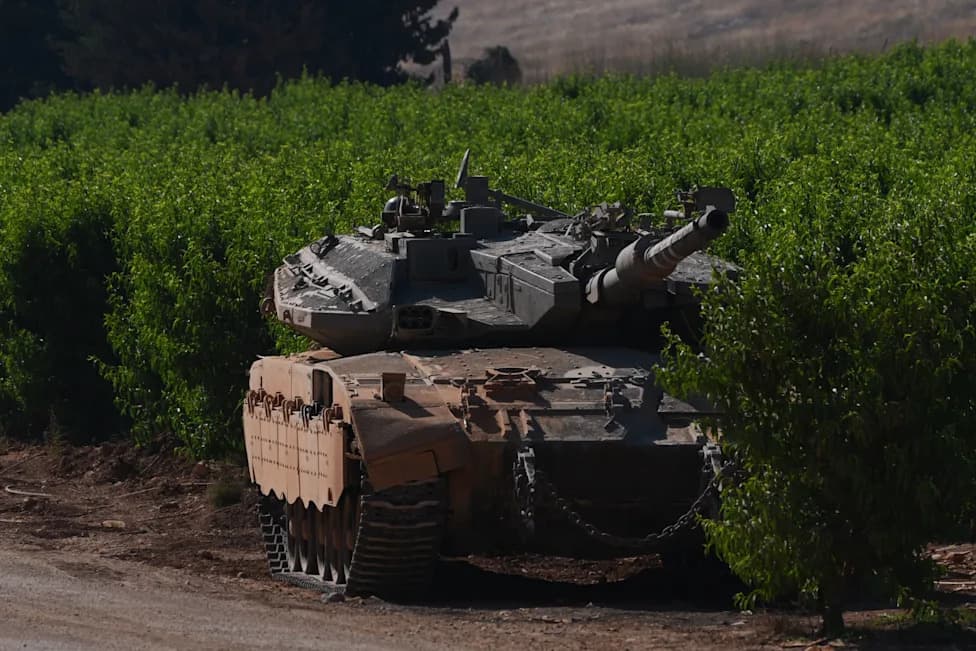
Israeli Foreign Minister Gideon Saar denied reports that Israel is critically short of ballistic missile interceptors, calling the claims false. Israeli military sources say forces are prepared for a prolonged campaign as Iran has launched nearly 300 missiles and hundreds of drones since late February, about half reportedly carrying cluster munitions. Israeli media also report possible direct talks with Lebanon, but officials offer no confirmation and stress conditions for negotiations remain unresolved.
Israel Denies Shortage of Ballistic Interceptors Amid Intense Missile and Drone Attacks
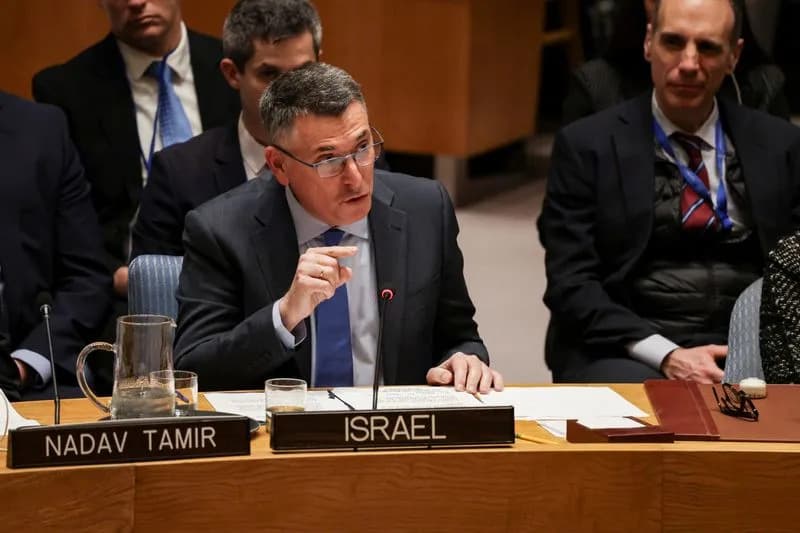
FILE PHOTO: Israeli Foreign Minister Gideon Saar addresses the Security Council during the meeting on the situation in the Middle East, at U.N. headquarters in New York City, U.S., February 18, 2026. REUTERS/Jeenah Moon/ File Photo
ZAZIR, Northern Israel, March 15 — Israeli Foreign Minister Gideon Saar on Sunday strongly denied media reports that Israel is running short of ballistic missile interceptors, as the country continues to contend with repeated strikes from Iran and Iran-backed Hezbollah in Lebanon.
US news site Semafor published a report on Saturday citing an unnamed US official who said Israel had informed Washington it was critically low on interceptors. Asked about the report and an Israeli media claim that direct talks with Lebanon were imminent, Saar replied:
"For both questions, the answer is no."
An Israeli military source also rejected the shortage claim, saying the armed forces are prepared for a prolonged campaign and remain operationally capable.
Scope of the Attacks
According to the Institute for National Security Studies (INSS) at Tel Aviv University, Iran has launched close to 300 ballistic missiles at Israel and dispatched hundreds of drones since US and Israeli strikes on Iran on Feb. 28. The Israeli military says roughly half of those missiles carried cluster munitions and that the daily rate of launches has dropped sharply from the opening days of the exchanges.
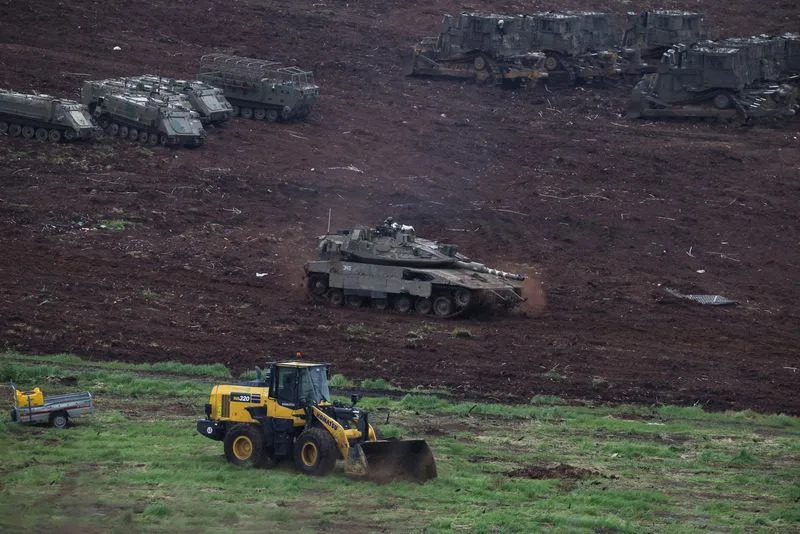
Israeli military vehicles at the Israeli side of the Israel-Lebanon border, amid escalation between Hezbollah and Israel, and amid the U.S.-Israeli conflict with Iran, in northern Israel, March 15, 2026. REUTERS/Shir Torem
Hezbollah and Cross-Border Tensions
Hezbollah has fired rockets into Israel from Lebanon since March 2. The Lebanese armed group says those strikes were in retaliation for the killing of an Iranian commander at the start of the broader US‑Israeli campaign against Iran, according to its statements.
Diplomatic Signals
Israeli newspaper Haaretz reported that Israel and Lebanon were expected to hold direct talks in the coming days, citing two people with knowledge of the matter. Army Radio said Prime Minister Benjamin Netanyahu's confidant and former minister Ron Dermer visited Saudi Arabia last week to explore a new initiative for talks with Lebanon that would begin once the current military campaign against Hezbollah is over.
A spokesman for Prime Minister Netanyahu did not immediately respond to requests for comment. Energy Minister Eli Cohen, speaking on Army Radio, neither confirmed nor denied the reports and said he was doubtful an agreement could be reached until the Lebanese government took firmer action against Hezbollah. Cohen added that Israel's security cabinet — a small group of senior ministers responsible for major decisions — had discussed cancelling the 2022 Israel‑Lebanon maritime border deal, though no steps have been taken.
Reporting by Alexander Cornwell, Maayan Lubell & Steven Scheer; Editing by Joe Bavier and Kirsten Donovan.
Help us improve.