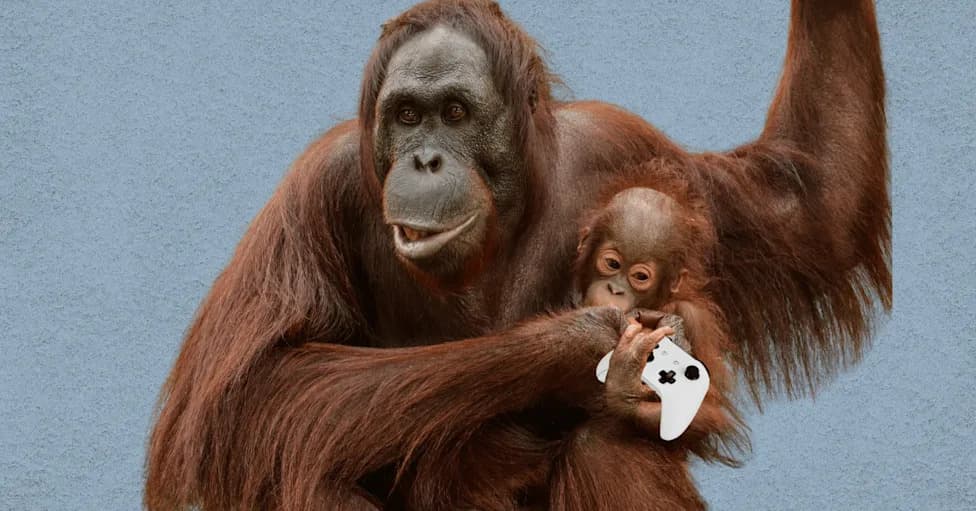
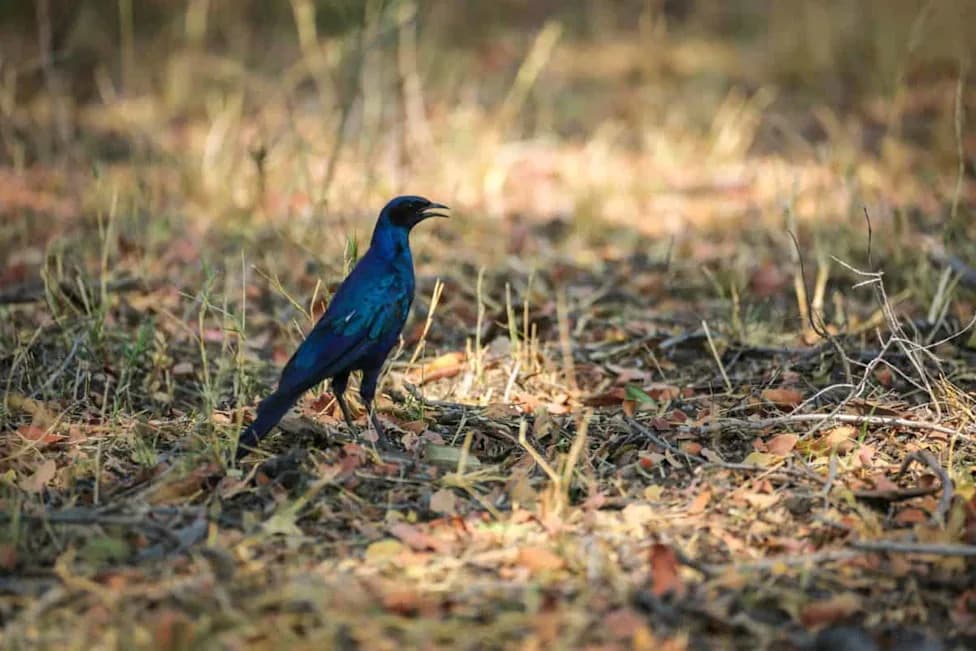
Researchers used a remotely controlled, 3D-printed rattlesnake fitted with a vibration motor to test reactions in 38 zoo species whose wild ranges overlap with rattlesnakes. In controlled trials comparing a silent replica with the rattle activated, many animals—including captive-born individuals—exhibited immediate avoidance when the rattle sounded. The results suggest that predator-specific sounds can trigger intrinsic, evolutionarily conserved survival behaviors across species.
Robotic Rattlesnake Reveals Innate Fear Responses Across 38 Zoo Species
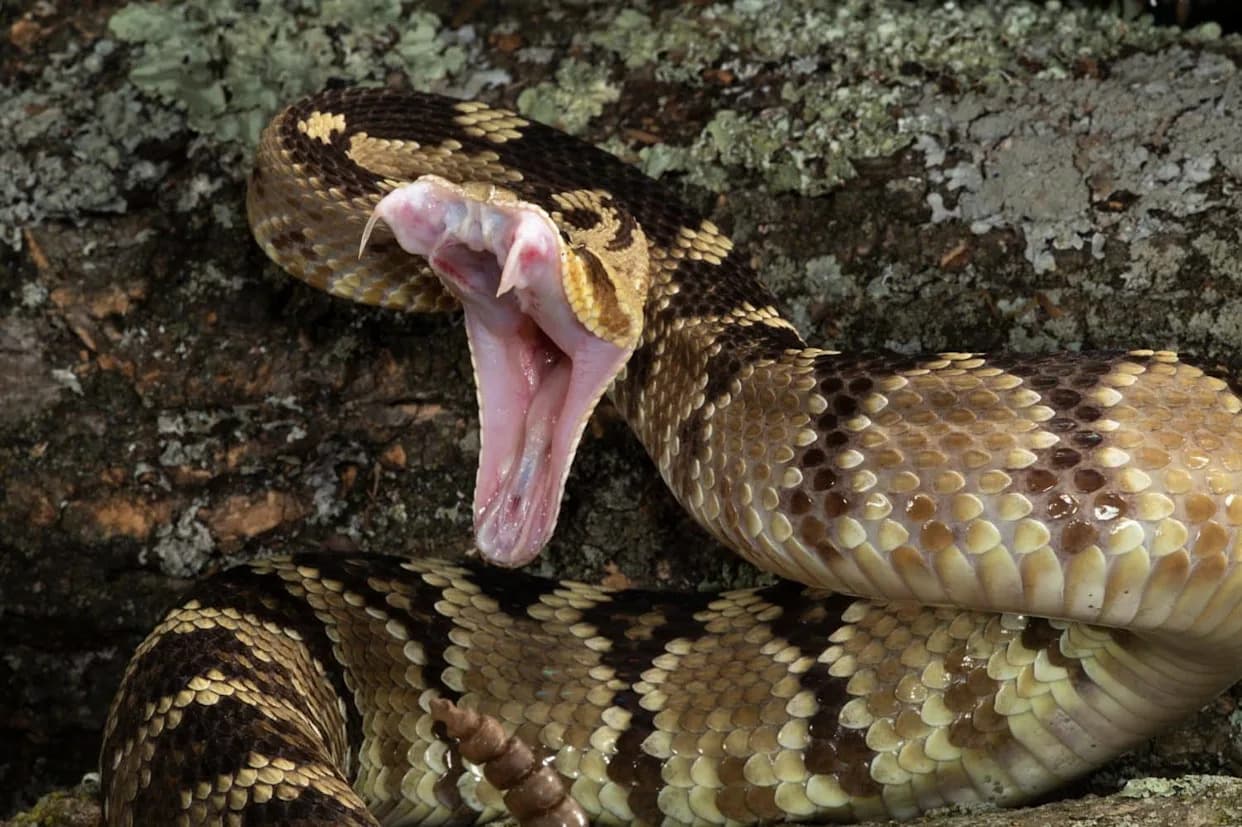
Black-tailed Rattlesnake, Crotalus molossus, striking at prey or threat, rocky habitat, Native to Southwest Arizona, United States. Controlled Situation© Joe McDonald/Shutterstock.com
Scientists used a lifelike, remotely controlled, 3D-printed rattlesnake to measure how zoo animals respond to predator cues, finding that many species show rapid avoidance when they hear the rattle.
Study Design and Device
The study, published in PLOS ONE, employed a realistic replica of a rattlesnake equipped with a circuit board and a vibration motor so the rattle could be sounded at will while the model was operated remotely. The replica matched the shape and coloration of a rattlesnake to give animals a visually convincing cue, while the motor produced an authentic rattling sound. Remote operation minimized human presence and allowed consistent comparisons across trials.
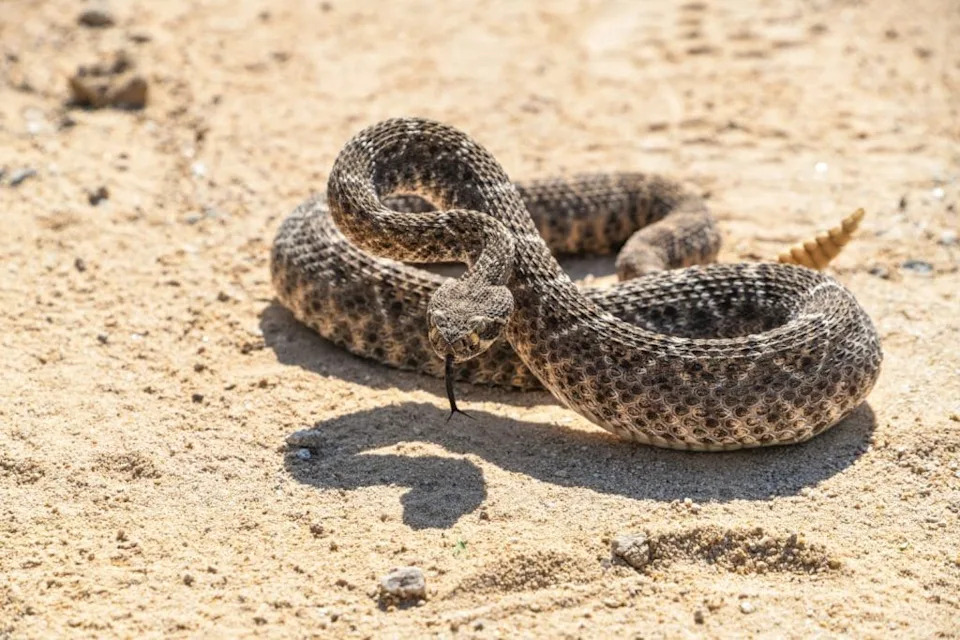
A robotic rattlesnake with a realistic-sounding rattle was used to test zoo animals’ reactions.©Clint H/Shutterstock.com(Clint H/Shutterstock.com)
Who Was Tested
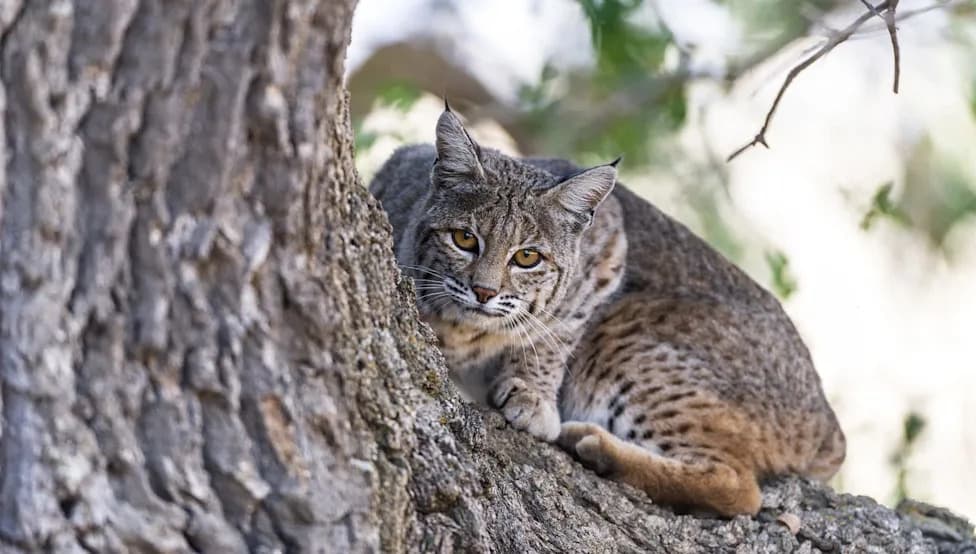
Researchers tested 38 species housed in zoos. All species were sympatric with rattlesnakes in the wild—that is, their native ranges overlap with rattlesnake habitat—so the team expected these animals to have evolved or learned responses to rattlesnake cues.
Controlled Trials
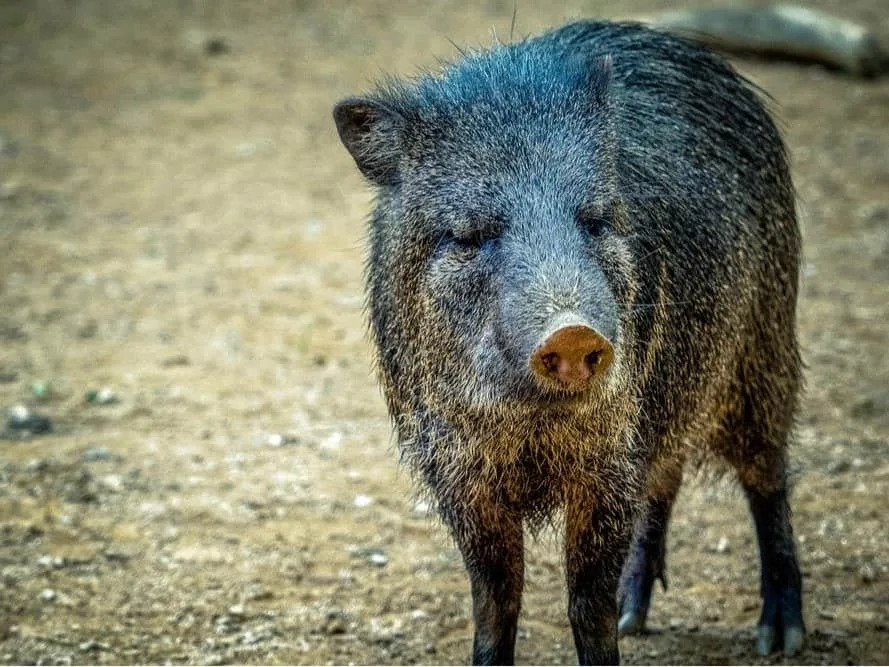
One of the most notable species tested was the collared piccary, which is sympatric with rattlesnakes.©Elias Garrido/Shutterstock.com(Elias Garrido/Shutterstock.com)
Each trial compared reactions to the silent replica versus the replica with the rattle activated. In one clear example, scientists placed food near the robotic snake for a collared peccary (Pecari tajacu). In the silent condition the peccary fed normally; when the rattle was sounded in a repeat trial, the peccary hesitated or abandoned the food. Similar changes in behavior were recorded across many of the tested species.
Key Findings
Many animals—including captive-born individuals with no recent ancestral contact with rattlesnakes—responded quickly to the rattle, suggesting the avoidance behavior can be intrinsic rather than solely learned through direct encounters. While not every species reacted the same way, a substantial portion exhibited reflexive avoidance as soon as the rattle sounded. This supports the idea that predator-specific auditory cues can trigger evolutionarily conserved survival behaviors.
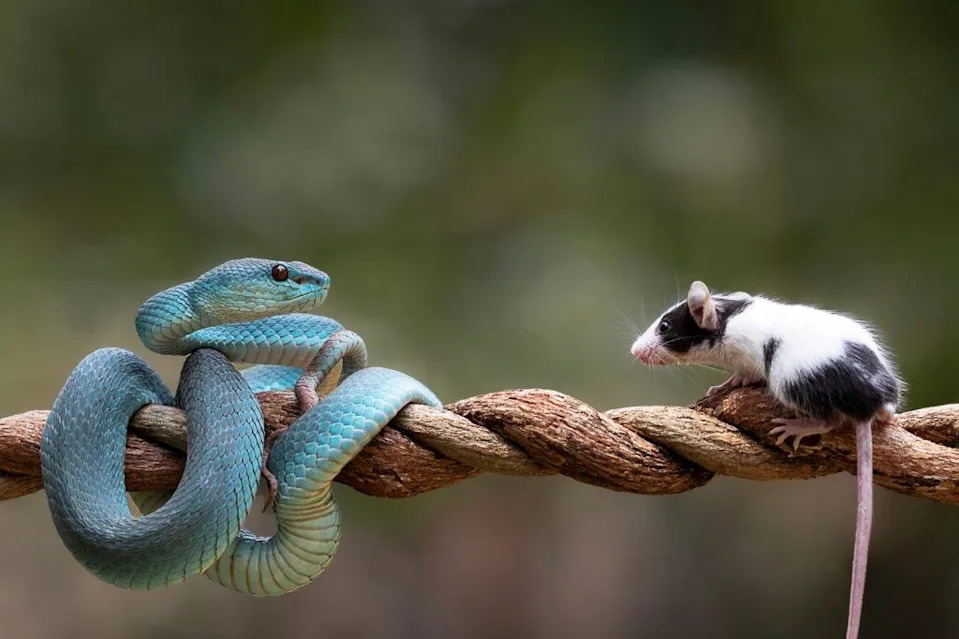
Fight-or-flight is an innate response to predators in the animal kingdom, not unlike the fear humans feel.©lisdiyanto suhardjo/Shutterstock.com(lisdiyanto suhardjo/Shutterstock.com)
Broader Context
Reflexive avoidance is part of the broader fight-or-flight system shared across animals, producing physiological changes (adrenaline surges, heightened senses) that help an individual flee, hide or confront danger. The study highlights that an auditory cue alone—distinctive and reliable like a rattlesnake's rattle—can be sufficient to elicit these responses in species adapted to coexist with the predator.
Methodological Strengths and Implications
Using a remotely controlled robotic model with realistic sound allowed the researchers to isolate the auditory cue from other factors and limit human interference. The findings have implications for understanding how predator recognition is maintained across generations and how innate and learned components of anti-predator behavior interact.
Published evidence suggests that, for many species, the sound of a predator is enough to trigger deeply rooted survival reactions—even in animals raised in captivity.
Help us improve.