Field research reveals nuanced social strategies in several species: fork‑tailed drongos sometimes mimic alarm calls to steal food, eastern gray squirrels perform deceptive caching after detecting pilferers, and African wild dogs use sneezes during rallies as a voting mechanism to decide whether to hunt. These findings are specific, experimentally supported, and show animals tracking others' perceptions rather than acting like "miniature humans." Caution is needed when headline writers overgeneralize or omit study details.
Surprising Animal Intelligence: Drongos Deceive, Squirrels Fake Caches, Wild Dogs 'Vote' by Sneezing
Newly Discovered Animal Behaviors Leave Scientists Speechless: Number Nine Is Unbelievable©
Field studies are revealing subtle, surprising forms of social intelligence in animals — deception, strategic mimicry and collective decision‑making — that are narrower and more interesting than sensational headlines suggest.
Fork-Tailed Drongos: Honest Warnings — And Clever Lies
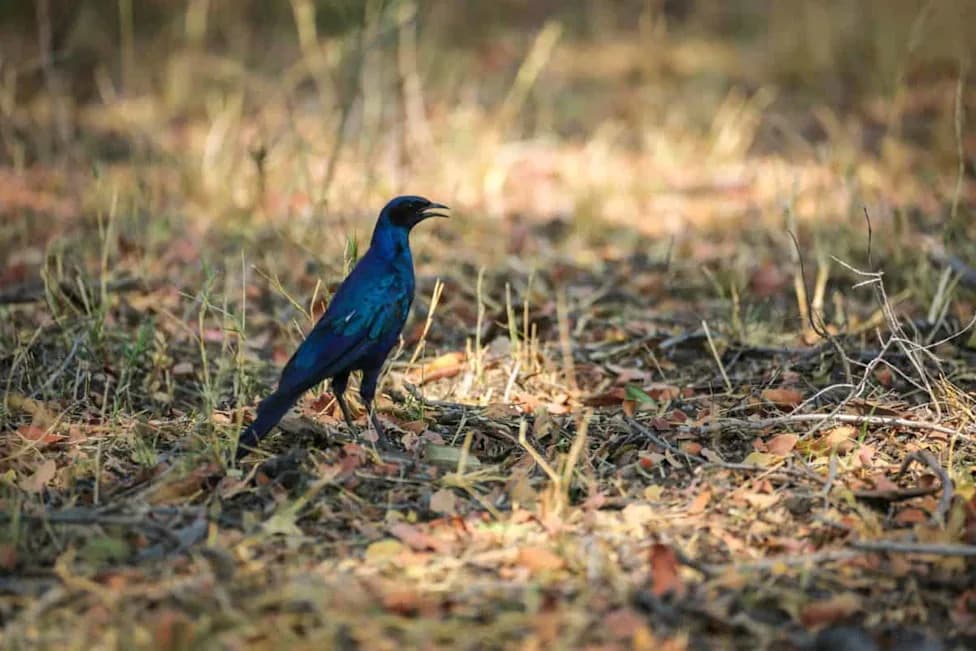
The fork‑tailed drongo is a small (about 50 g) passerine that follows meerkats and pied babblers across southern African scrub to watch them uncover food. The drongo issues genuine alarm calls when predators appear, which is why those mammals tolerate the bird.
But drongos also deceive. In research published in Proceedings of the Royal Society B, biologist Tom Flower reported that drongos obtained food by direct attack in roughly half of observed incidents and by producing false alarm calls in the other half. The bird perches near a forager handling a desirable item, emits a sudden alarm, and the victim abandons the food to seek shelter.
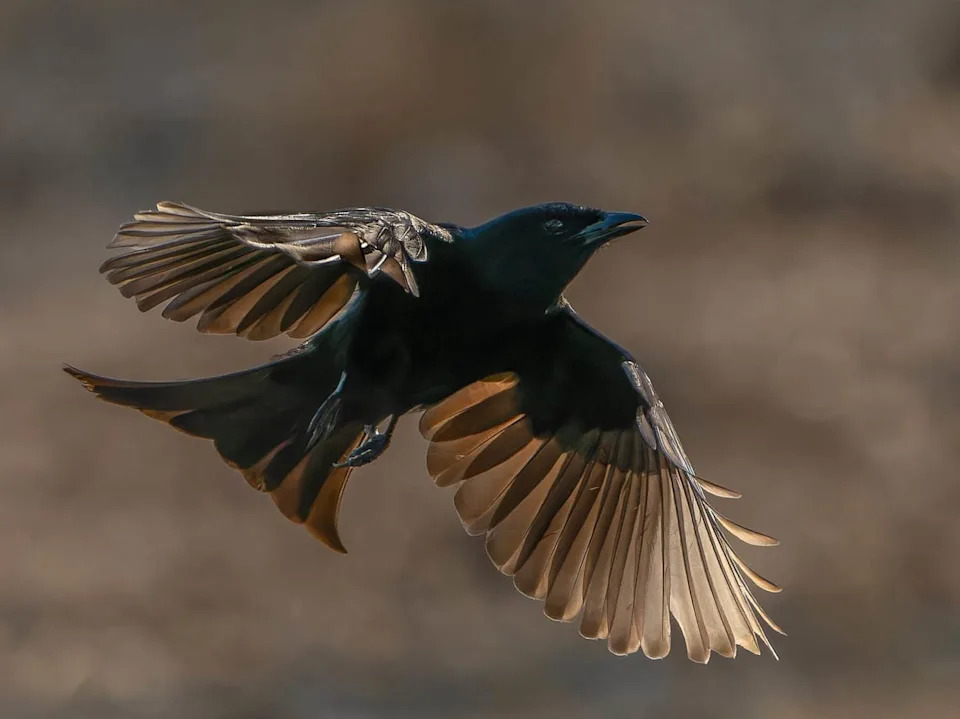
©Tobie Oosthuizen/Shutterstock.com
Crucially, the fake alarm calls are structurally indistinguishable from real ones. Flower used playback experiments to show that meerkats and pied babblers cannot reliably tell the difference. Drongos also mimic alarm signals of other species and will switch which species they imitate once victims stop responding to a particular call.
The deception is strategic: drongos use false alarms more often when the food item is small and against larger targets that would be risky to attack directly. Because they still give real warnings frequently, the other species continue to heed them — creating a complex balance of cooperation and exploitation.
Eastern Gray Squirrels: Deceptive Caching
Eastern gray squirrels sometimes perform what researchers call "deceptive caching." A squirrel will dig a hole and go through the full covering routine, then walk away with the nut still in its mouth to mislead potential thieves.
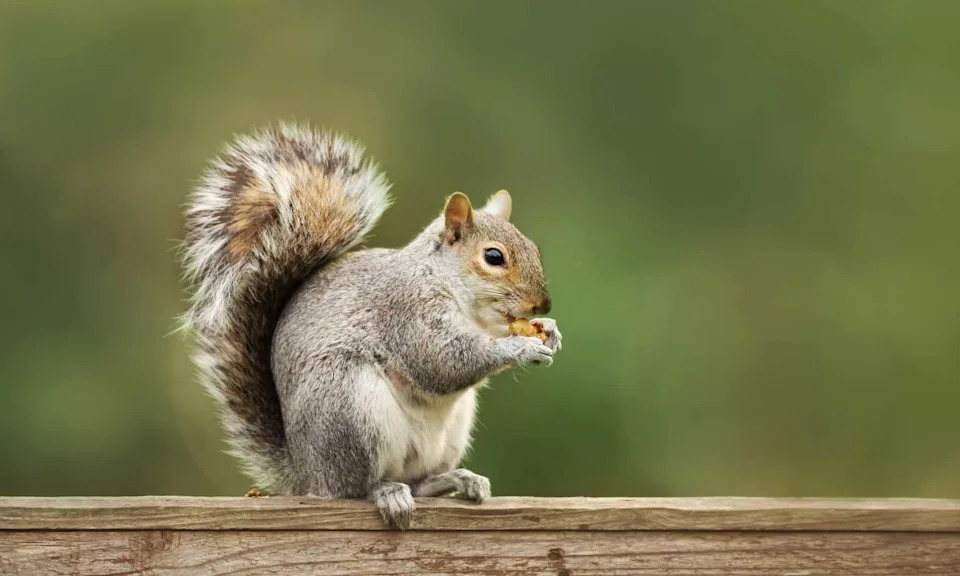
©iStock.com/Dgwildlife
Michael Steele of Wilkes University and colleagues documented this behavior across sites in Pennsylvania, Connecticut and Massachusetts in a study published in Animal Behaviour. At the Pennsylvania site alone the team ran more than 500 trials with over 52 free‑ranging squirrels and recorded 255 caching events across two years. In one experiment, a human deliberately pilfered nuts in view of the animals; after that, squirrels began covering empty sites more often to mislead pilferers.
The study provided the first experimental evidence of behavioral deception in a wild rodent. The authors emphasize an important caveat often lost in online retellings: the deceptive routine occurs intermittently and is not a fixed proportion of all burials.
African Wild Dogs: Sneezes as Votes
African wild dogs hold noisy greeting ceremonies, called rallies, before the pack moves off. Researchers recording 68 rallies across five packs in Botswana's Okavango Delta found that the number of sneezes during a rally predicts whether the pack will leave to hunt.
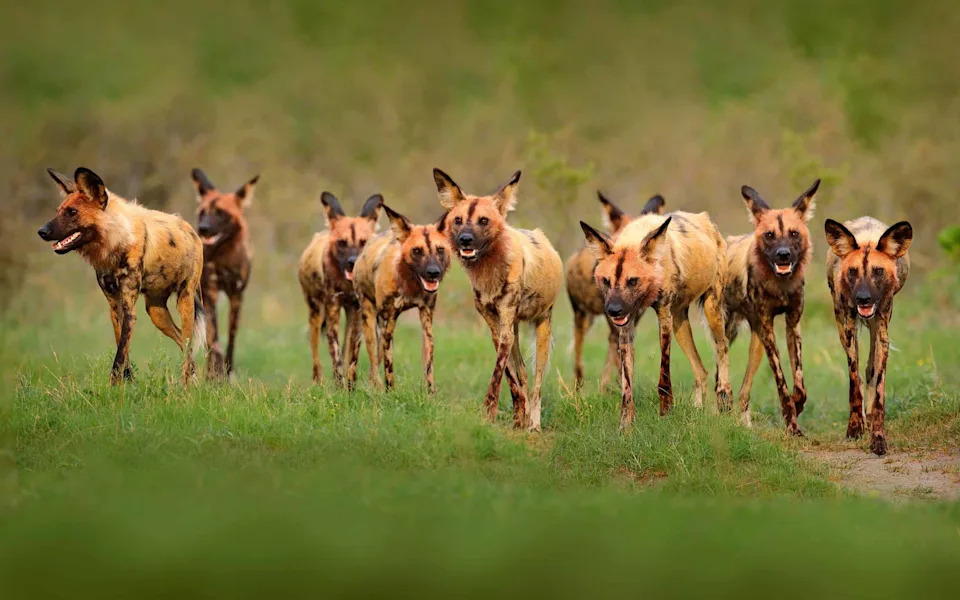
©Ondrej Prosicky/iStock via Getty Images
The more sneezes heard, the more likely the pack is to set off. The threshold for action depends on who initiates the rally: when the dominant breeding pair begins, roughly three sneezes are sufficient; when subordinates start the rally, about ten sneezes are typically needed. Sneezes therefore function as a simple, flexible form of voting: votes are weighted by social status, but a determined majority of subordinates can override leaders.
"The sneeze acts like a type of voting."
— Neil Jordan, University of New South Wales (co‑author)
What This Tells Us About Animal Cognition
These verified findings are deliberately narrow and precise. A drongo in part of southern Africa uses false alarms to steal small food items from larger animals; a wild study found occasional deceptive caching in eastern gray squirrels; and wild dogs use sneezes during rallies as a collective signal. Each is a clear behavioral fact backed by field data and experiments.
Overblown or viral accounts often map animal behavior directly onto human institutions (courts, markets, elections) and omit key details such as the study location, authors or journal. When claims about animal intelligence circulate without named sources, that omission often signals oversimplification.
Rather than seeing animals as "miniature humans," these studies show they can track what another individual perceives and act on gaps between an individual's knowledge and reality — a cognitive skill once thought mainly a primate specialty. The examples above show similar capacities in a bird, a rodent and a canid, each operating in their own ecological context.
Sources: Flower et al., Proceedings of the Royal Society B; Steele et al., Animal Behaviour; observational studies of African wild dogs in the Okavango Delta.
Help us improve.