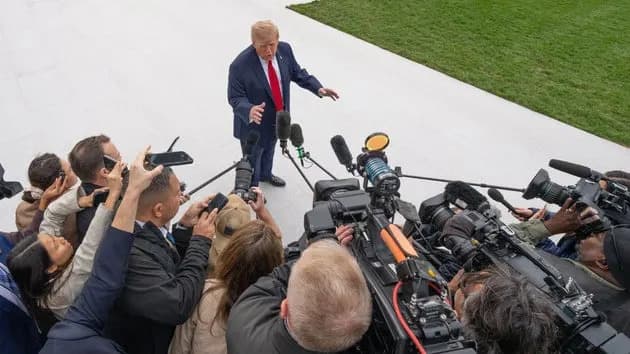
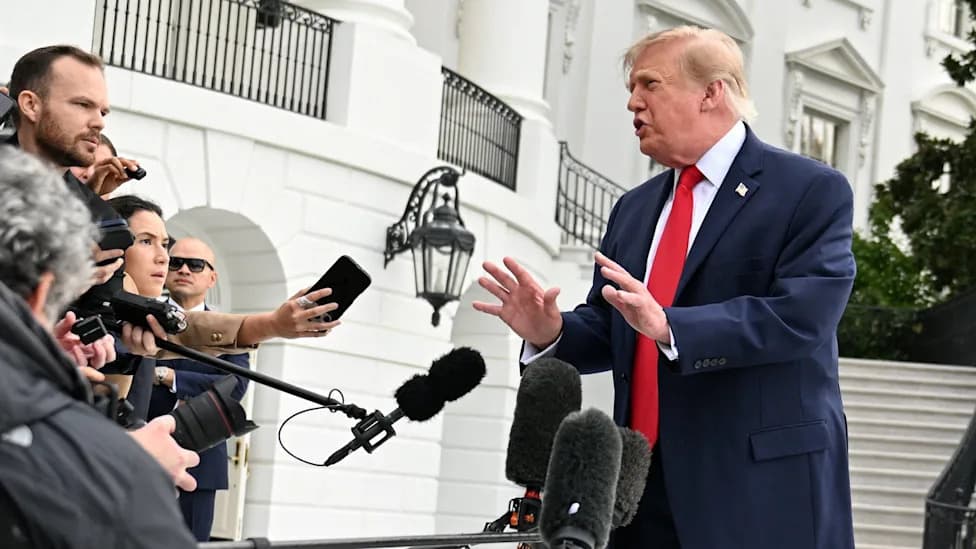
President Trump’s tendency to answer calls on his personal cell has made his number a sought-after but unruly channel for reporters, foreign officials and private interests. Insiders told The Atlantic the volume of calls has become 'out of control,' complicating White House messaging and raising concerns about misinformation and influence-seeking. The White House defends the access as unprecedented transparency, while critics point to confusion and potential security risks.
Trump's Open Phone Line Fuels White House Chaos and Bids for Influence
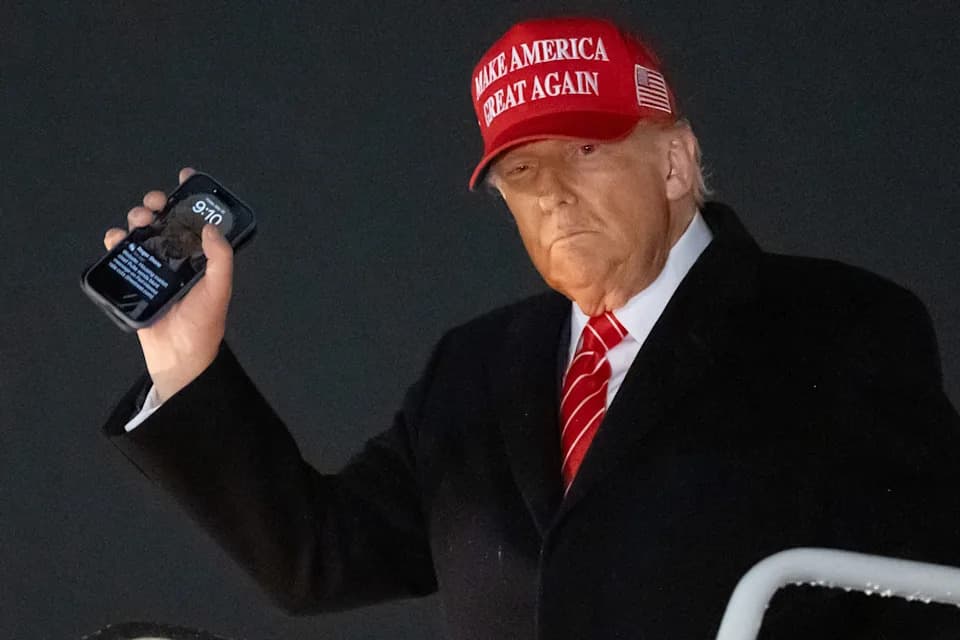
US President Donald Trump disembarks from Air Force One while holding his cellphone at Joint Base Andrews in Maryland, May 30, 2025. / Saul Loeb/AFP via Getty Images
President Donald Trump’s habit of answering calls to his personal cell has turned his number into a prized — and disruptive — channel for journalists, foreign officials, lobbyists and private interests, insiders tell The Atlantic.
An Unfiltered Line
According to current and former White House staff quoted in the report, Trump’s readiness to pick up calls has created a competitive market for direct access. One anonymous administration official described the volume of incoming calls as getting 'out of control.'
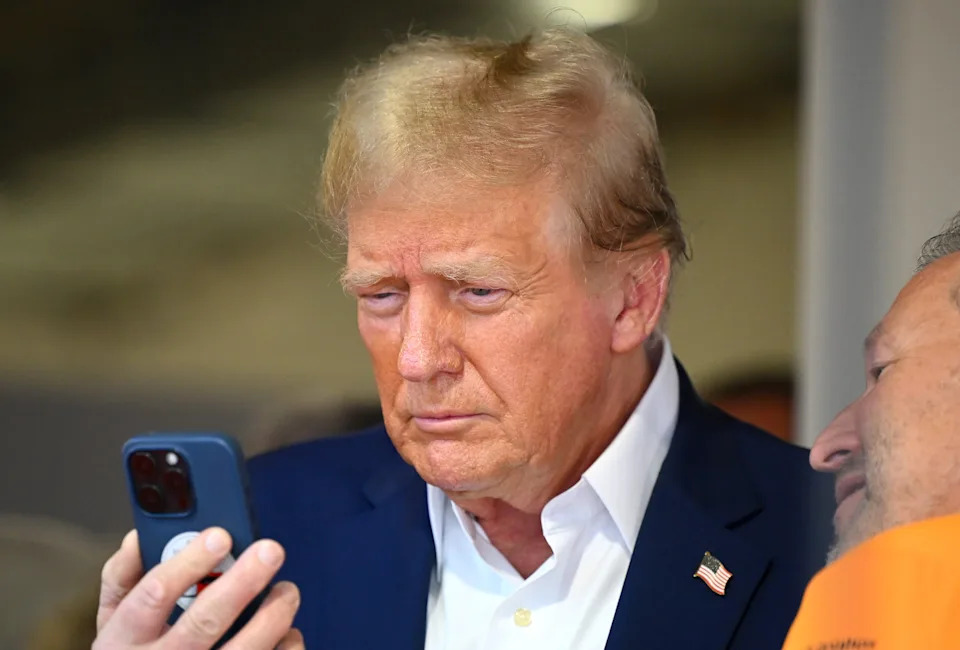
MIAMI, FLORIDA - MAY 05: Donald Trump talks on the phone in the McLaren garage prior to the F1 Grand Prix of Miami at Miami International Autodrome on May 05, 2024 in Miami, Florida. (Photo by Clive Mason/Getty Images) / Clive Mason / Getty Images
'He enjoys it,' an anonymous White House official told The Atlantic. 'He knows how to handle the press.'
During meetings, the president’s phone frequently lights up with alerts from unfamiliar numbers. Those informal, off-the-cuff conversations have become a route to breaking scoops — and to confusion. People who have reached him include reporters from outlets such as ABC News, Axios, CBS News, CNN, The Daily Mail, The Daily Telegraph, Fox News, MSNBC, NBC News, The New York Times, The New York Post, Politico, The Times of Israel, The Washington Post and The Atlantic, as well as independent writers on Substack.
Consequences Inside the White House
White House staffers say the open line complicates message control and policy coordination. Officials worry that unvetted callers, including CEOs, crypto entrepreneurs and lobbyists, could feed the president misinformation or waste his time. Some have even reported offers of money in exchange for the number.
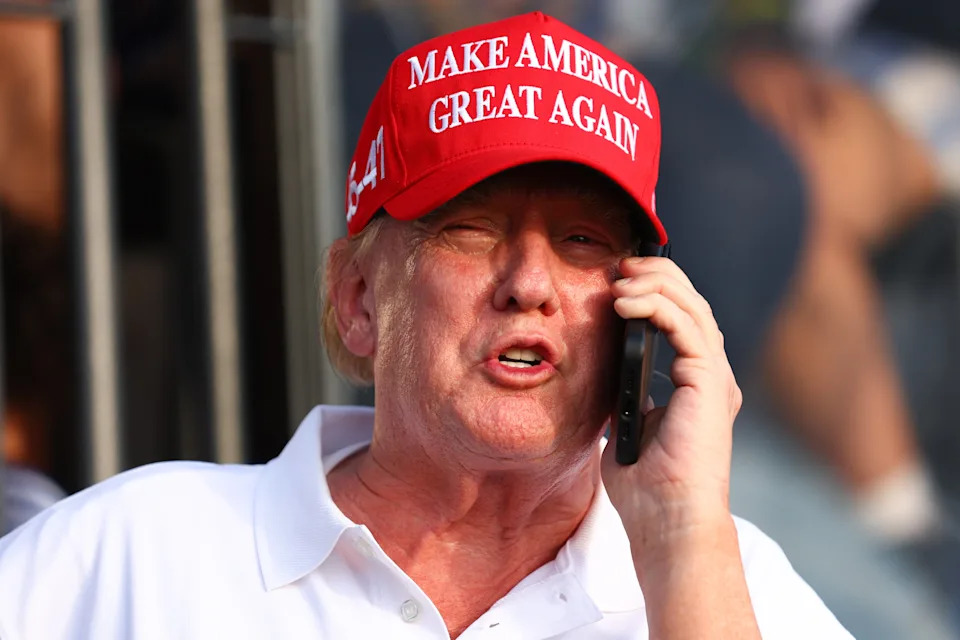
Former U.S. President Donald Trump speaks on the phone at the 18th green during day three of the LIV Golf Invitational - Miami at Trump National Doral Miami on April 07, 2024 in Doral, Florida. / Megan Briggs / Getty Images
Concerns about accuracy are not theoretical. In one example cited by The Atlantic, Trump called into Fox Radio following developments related to Iran’s leadership and said he was unsure whether Mojtaba Khamenei, the son of Iran’s supreme leader, was alive — remarks that prompted further confusion.
Administration Response
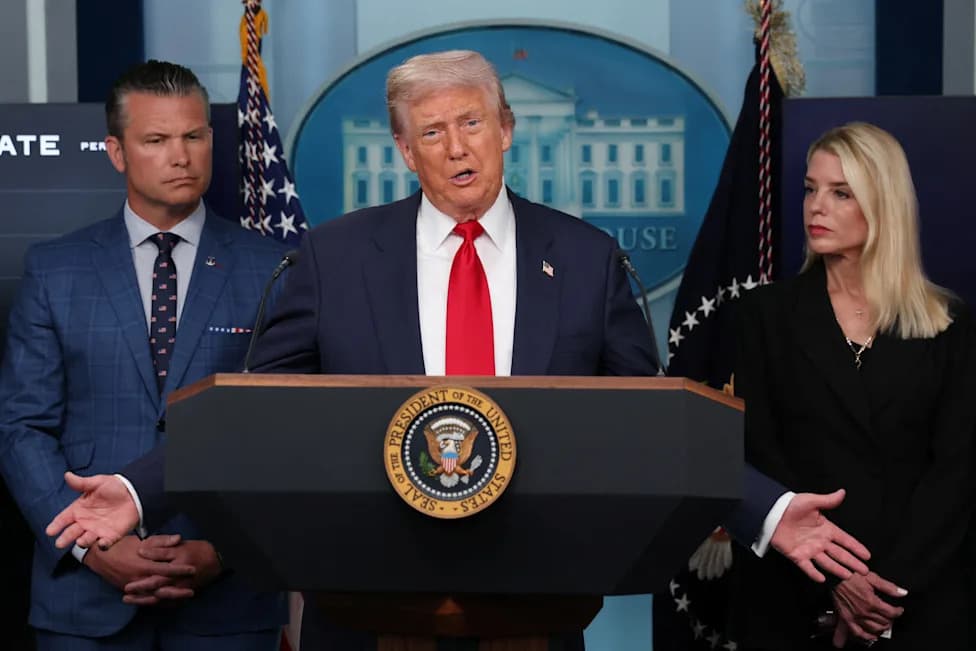
After the story, White House press secretary Karoline Leavitt told the Daily Beast that Trump is 'the most transparent and accessible president in history,' adding, 'The press can't get enough of Trump, and they know it.' The administration provided similar comments to The Atlantic.
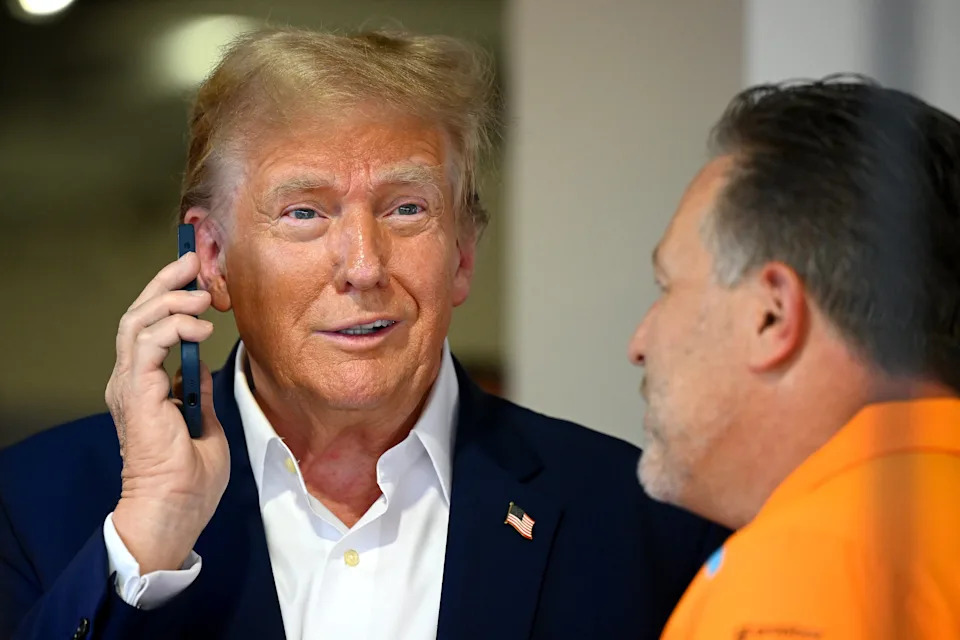
Donald Trump talks on the phone. / Clive Mason / Getty Images
Context
Trump has long embraced phone calls as a means of engagement. In his 1987 book, Trump: The Art of the Deal, he wrote that he received up to 100 calls a day — a figure that appears to have expanded with his return to the presidency. Critics say the informal access undermines traditional communications controls and raises national-security and reputational risks.
Bottom line: While supporters view the direct access as transparency, staffers and communications officials warn it has created operational headaches, opportunities for influence-peddling and moments of public confusion.
Help us improve.