Summary: This extract from Christopher Lamb’s forthcoming book American Hope tells how Cardinal Robert Prevost — a Chicago‑born missionary bishop who served in Peru — quietly emerged as Pope Leo XIV during the May 2025 conclave. An AI image of Donald Trump as pope went viral days earlier, intensifying media attention as over 4,000 reporters descended on Rome. Prevost’s election challenged long‑held assumptions that an American could never lead the Catholic Church and highlighted the tensions between family, partisan politics and the global Church.
The Unlikely Rise of the First American Pope: How Cardinal Robert Prevost Became Leo XIV
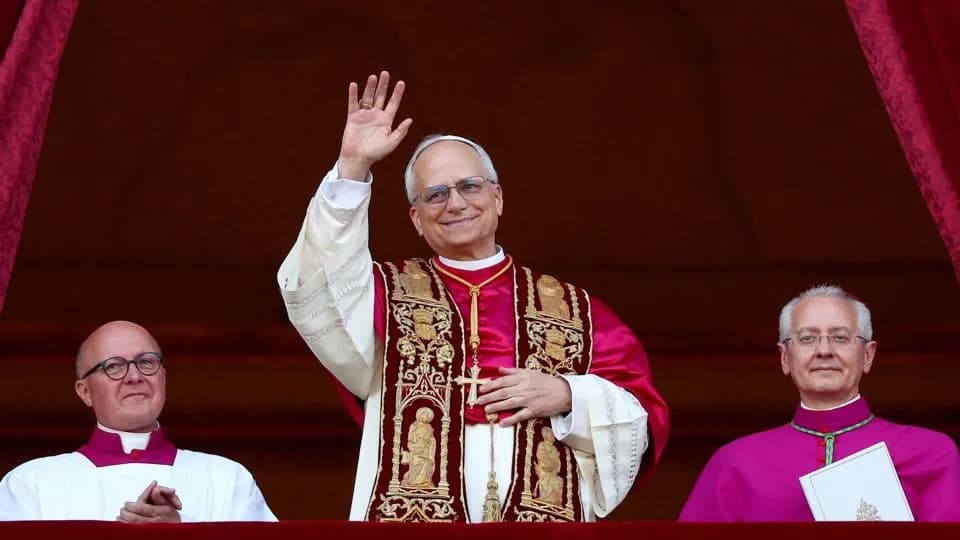
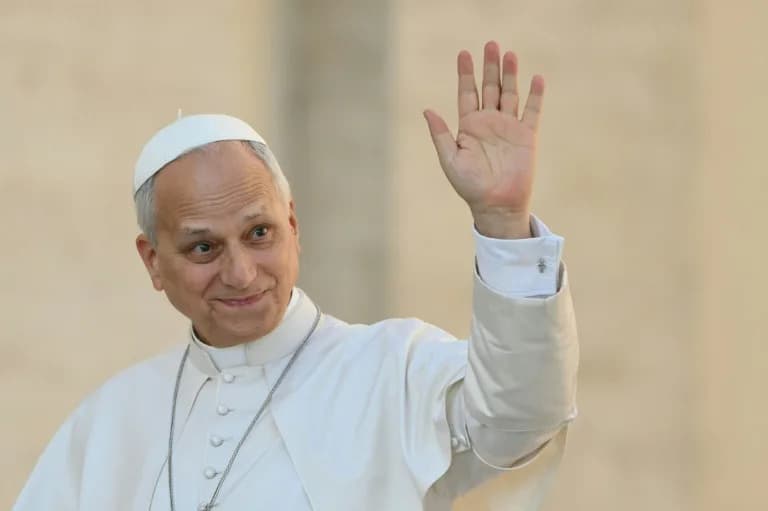
Newly elected Pope Leo XIV, Cardinal Robert Prevost of the United States appears on the balcony of St. Peter's Basilica, at the Vatican, on May 8, 2025. - Guglielmo Mangiapane/Reuters
EDITOR'S NOTE: This extract is from CNN Vatican correspondent Christopher Lamb’s forthcoming book, American Hope: What Pope Leo XIV Means for the Church and the World, due March 26 from Headline (UK) and Hachette (US).
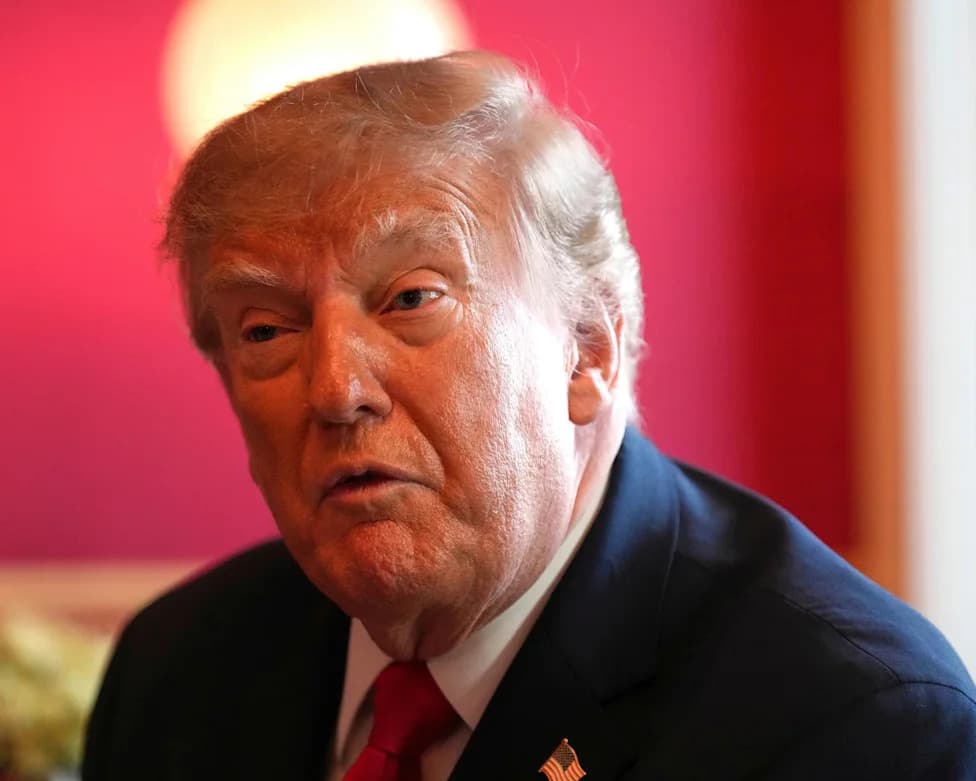
On Saturday, May 3, 2025 — one week after Pope Francis’s funeral — President Donald Trump posted an AI-generated image of himself wearing a white papal cassock and miter. The image, shared first on Truth Social and quickly re-posted by the White House’s official X account, went viral within minutes. Days earlier, when asked whom he would like to see succeed Francis, the president had joked, “I’d like to be pope. That would be my number one choice.”
The reaction among Catholics ranged from unease to anger. To many believers the image felt irreverent; to the cardinals arriving in Rome for the conclave scheduled to begin on May 7, it was a distracting provocation. Cardinal Pablo Virgilio David of the Philippines replied on Facebook, “Not funny, sir,” translating the phrase into ten languages. Cardinal Timothy Dolan of New York — generally seen as friendly to Trump — called the post “wasn’t good,” adding when pressed, “Who knows?” about the need for an apology.
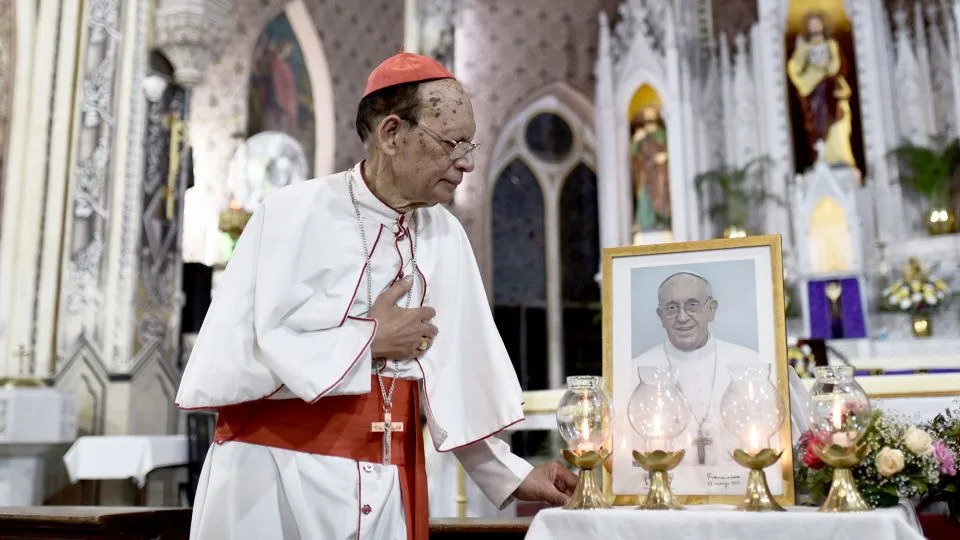
Cardinal Oswald Gracias prays before a photograph of Pope Francis after Mass at the Cathedral of the Holy Name in Mumbai, India, on April 21, 2025. - Indranil Aditya/NurPhoto/Shutterstock
Media attention intensified. More than 4,000 reporters descended on the Vatican to cover the conclave, and a heightened public appetite for the drama was fuelled by the popularity of the 2024 film Conclave, which had dramatized rival ambitions inside the Church.
During his pontificate, Francis had reshaped the College of Cardinals to reflect a global Church, enlarging its geographic and cultural diversity as Catholicism grew outside Europe. For decades Vatican insiders had assumed an American would never be chosen: the political, cultural and economic clout of the United States made a US pope seem unlikely. But the political shifts following the election and re-election of Donald Trump, and debates about America’s global role, had begun to unsettle that conventional wisdom.
I asked Cardinal Oswald Gracias, the respected retired archbishop of Bombay, whether an American pope was conceivable. He initially called the notion “unthinkable,” then paused and added, “There could be an American pope… why not?”
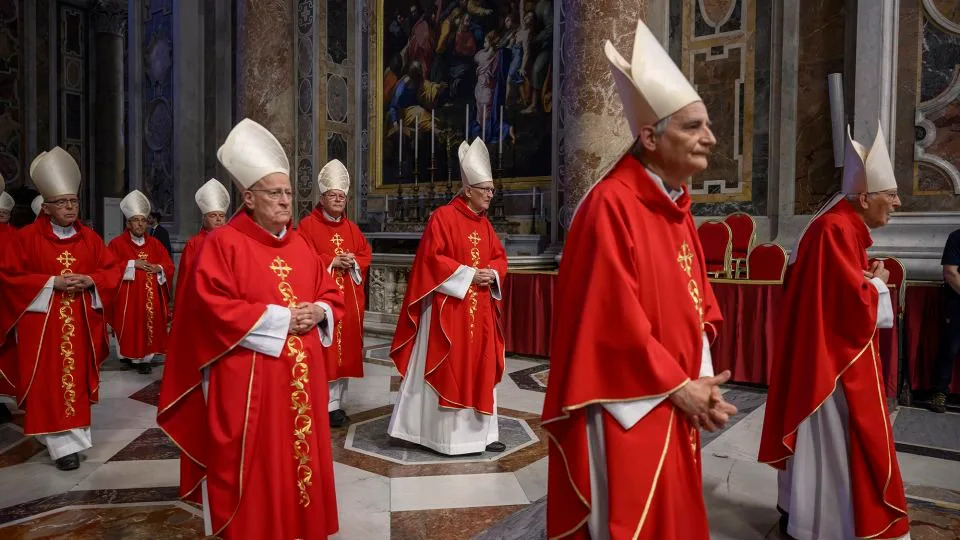
Cardinals arrive to attend the sixth Novemdiales mass held for the late Pope Francis in St. Peters Basilica, on May 1, 2025. - Antonio Masiello/Getty Images
Prevost: The Quiet Candidate
On my shortlist of credible papabili was an American name: Cardinal Robert Prevost. As head of the Vatican office responsible for bishops, Prevost played a central role in episcopal appointments and oversight. I had met him once in Rome: thoughtful, attentive and low-key, a man who rarely sought publicity. Though born in Chicago, Prevost had spent decades as a missionary and bishop in Peru — a life that made him feel, to some, like an “un‑American American.”
In the days before the conclave, criticisms some cardinals had voiced about Francis faded. The overriding question became how the next pope could preserve Francis’s reforms while offering prophetic engagement with a troubled world. Much of the maneuvering happened quietly: cardinals met over dinners in Rome’s Borgo Pio quarter and in private residences. Overt self-promotion was taboo; influence was brokered by informal “kingmakers” who built coalitions behind the scenes.
Front-runners included Cardinal Pietro Parolin, the Vatican Secretary of State and a seasoned diplomat viewed as a unity candidate, and Cardinal Luis Antonio Tagle of the Philippines, a charismatic figure who represented continuity with Francis. Yet, behind the scenes, Prevost steadily accumulated support.
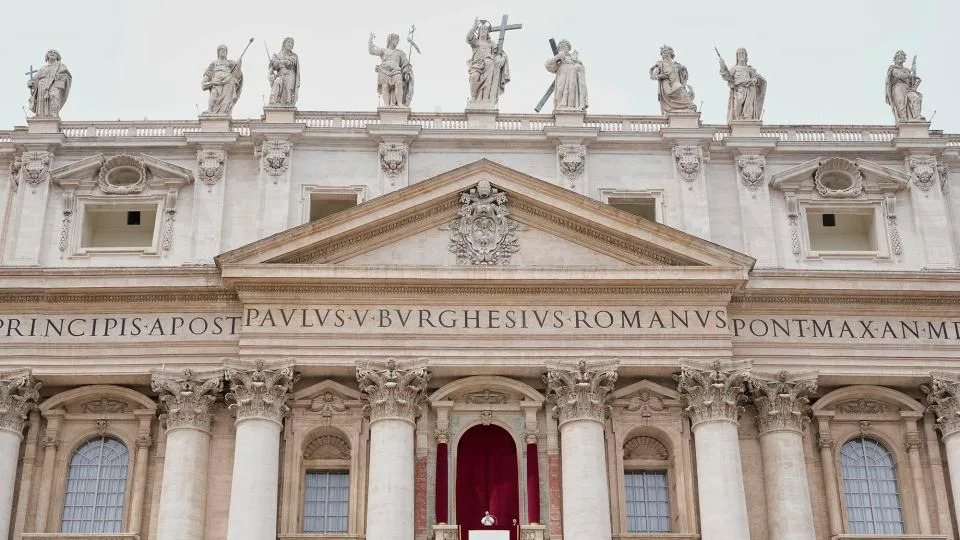
Pope Leo XIV appears at the central balcony of St. Peter's Basilica for his first Sunday blessing after his election, in St. Peter's Square at the Vatican, on May 11, 2025. - Gregorio Borgia/AP
“Look, until America goes into political decline, there won’t be an American pope,”
Cardinal Francis George had once said — a comment that captured a long‑standing Vatican suspicion about a U.S. pontiff.
That suspicion dated back even further. Pope Leo XIII had criticised what he called the errors of “Americanism” in 1899, worrying that an American emphasis on individual liberty might erode deference to Church authority. The election of a pope taking the name Leo from the United States therefore represented a striking historical reversal.
Pope Leo XIV: Style and Early Reactions
Pope Leo XIV’s public manner is more restrained than Francis’s. Observers describe him as modest in presentation but resolute in purpose — a leader with a long-term orientation rather than a short-term political calculation. His election did not trigger an immediate flurry of White House diplomacy. President Trump said he was "a little bit surprised and very happy," calling the result “a great honor for our country,” but weeks after the conclave the two men had not yet spoken.
By contrast, Joe Biden — America’s second Catholic president after John F. Kennedy — had developed a warm if sometimes critical relationship with Pope Francis, meeting him in October 2021 for a 75‑minute discussion and later awarding him the Presidential Medal of Freedom with distinction.
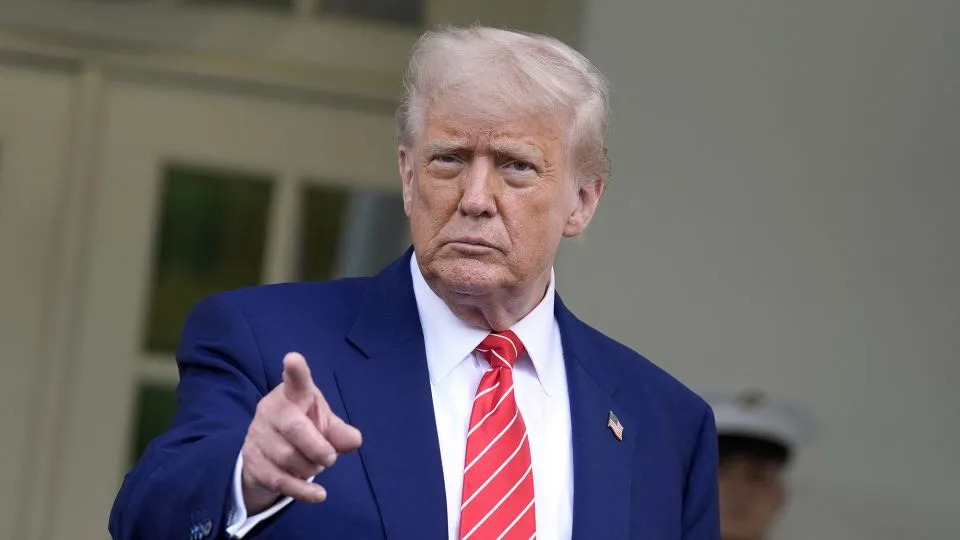
US President Donald Trump makes comments to journalists on newly elected Pope Leo XIV outside the West Wing of the White House on May 8, 2025. - Gripas Yuri/ABACA/Shutterstock
Signs of domestic political tension quickly became visible. Steve Bannon, a vocal Trump ally, called the choice “the worst pick ever.” Pope Leo’s family highlighted the cultural split: his eldest brother, Louis Prevost, is an outspoken MAGA supporter who had posted inflammatory pro‑Trump content. After the election Louis said he would “tone it down,” removed some posts and made accounts private. The Trump White House nonetheless welcomed Louis and his wife Deborah to the White House, producing a moment in which the president praised the pope’s brother more directly than the pope himself.
Yet the public image of a family united mattered. At Leo’s inauguration on May 18, Louis embraced his brother in St. Peter’s Basilica — a reminder that personal bonds can survive political disagreements.
What It Means
The election of the first American pope has opened new conversations about national identity, political affiliation and the global Church’s future. It also underscored the complex interplay between faith and contemporary politics: a viral image and partisan family ties became part of the story, but so did quiet coalition‑building, missionary experience and a wider reconfiguration of the College of Cardinals. Whether Leo XIV will chart a course markedly different from his predecessors remains to be seen, but his election is already a historical pivot for the Catholic Church.
Help us improve.