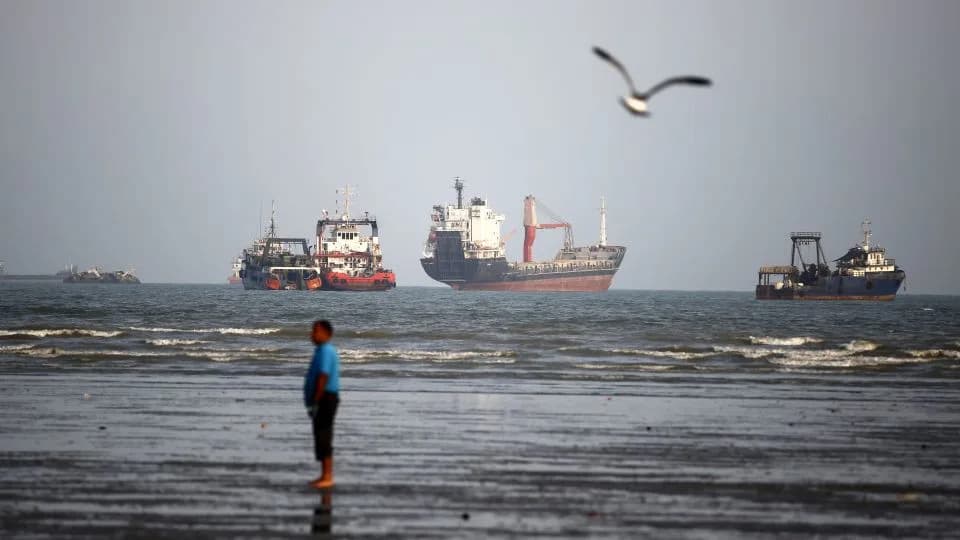
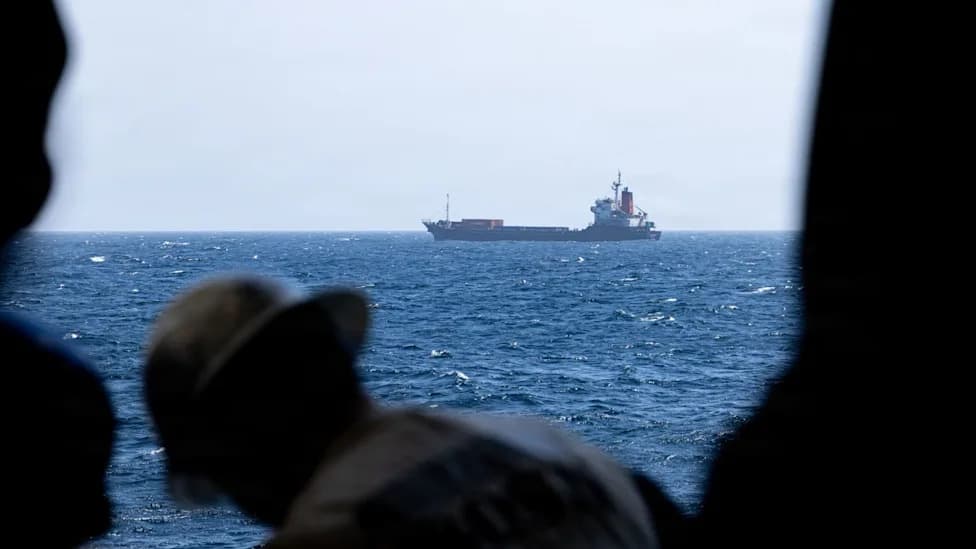
Key Developments: Reports say Iran has deployed explosive-laden unmanned skiffs disguised as fishing boats in the Strait of Hormuz. UKMTO confirmed a Marshall Islands–flagged tanker was struck on March 1 and further attacks were reported on March 11; Reuters reported six vessels hit by March 12. Experts warn such low-cost USVs and mines are hard to detect and could be used in large numbers, complicating defenses and raising oil-market and shipping risks.
Explosive 'Suicide Skiffs' Reportedly Deployed In Strait Of Hormuz, Experts Warn Of New Hybrid Maritime Threat
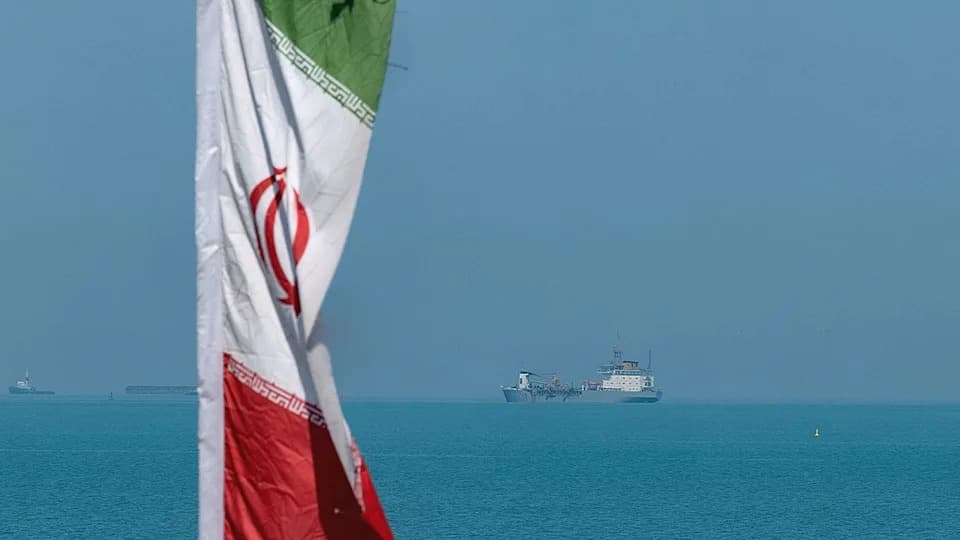
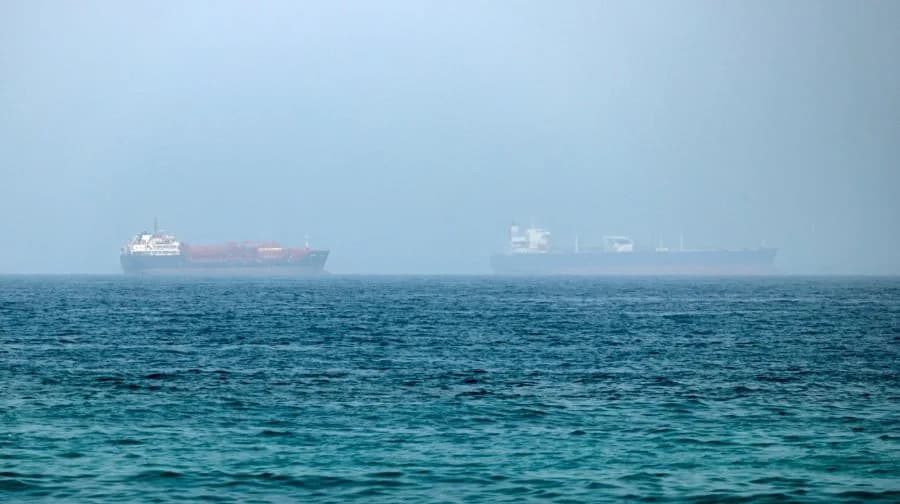
Persian Gulf shipping dips as Trump positions military against Iran.(Getty Images)
Iran has reportedly deployed explosive-laden unmanned surface vessels disguised as wooden fishing skiffs in the Strait of Hormuz, according to defense experts and maritime security reports. The tactic — sometimes described as "suicide skiffs" — marks a concerning escalation in hybrid maritime warfare in one of the world's busiest shipping chokepoints.
Incidents And Timeline
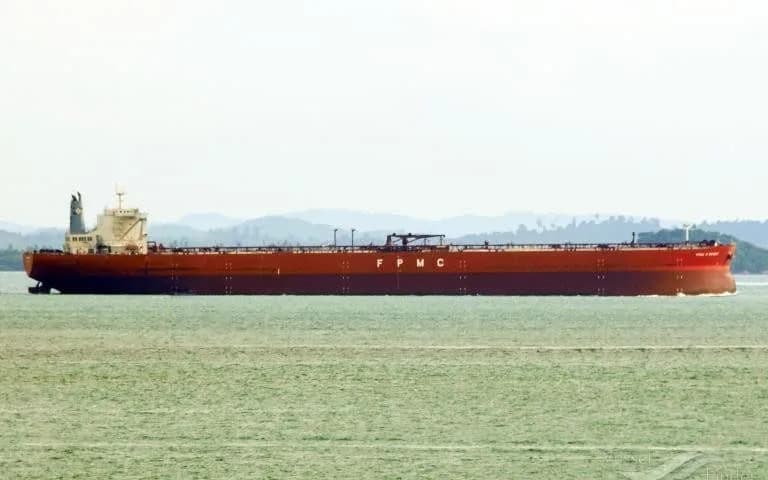
The United Kingdom Maritime Trade Operations (UKMTO) confirmed that a Marshall Islands–flagged oil tanker was struck on March 1 by an uncrewed surface vehicle (USV) north of Muscat, Oman, and that the crew was evacuated to shore. Additional reports say two more oil tankers were hit on March 11 amid a broader spike in attacks following the launch of U.S. Operation Epic Fury on Feb. 28. A Reuters report on March 12 said as many as six vessels had been attacked in the Gulf and the Strait, and sources indicated Iran had also emplaced roughly a dozen mines in the area.
Expert Analysis
“The Iranians likely use radio remote-control links, line-of-sight communications, frequency-hopping or encrypted radio channels between skiffs and shore stations,” said Cameron Chell, CEO of drone firm Draganfly, describing how relatively simple technologies can direct large numbers of small boats.
Chell and other analysts note several operational modes for these craft: a single operator can remotely control multiple boats, pre-programmed waypoint navigation can enable semi-autonomous operation, and basic swarming tactics can allow groups of vessels to act in concert. The primary employment described is to ram and detonate against merchant or military ships.
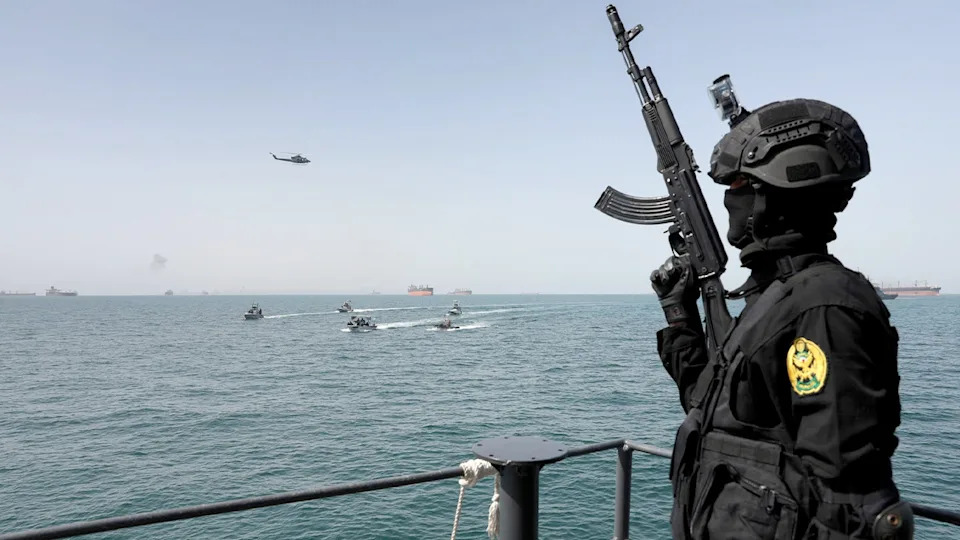
Naval units from Iran and Russia simulate the rescue of a hijacked vessel during joint drills at the Port of Bandar Abbas in Hormozgan, Iran, on Feb. 19, 2026.
Defense Challenges
Experts warn that these USVs are hard to detect when disguised among ordinary fishing traffic and when deployed in numbers. Small wooden skiffs, typically 12–30 feet long, are inexpensive to build and can be produced in large quantities. Countering them would require persistent surveillance, rapid-response assets and systems optimized for many small, fast-moving targets rather than a few large ones.
U.S. and allied officials have said the U.S. Navy and partner navies may escort merchant shipping when militarily feasible. U.K. Defense Secretary John Healey has also engaged European counterparts on the economic and security implications. Analysts caution, however, that existing defenses built around larger threats may be ill-suited to neutralize dozens of small USVs and mines simultaneously without stepped-up patrols, unmanned detection systems and localized countermeasures.
Strategic Implications
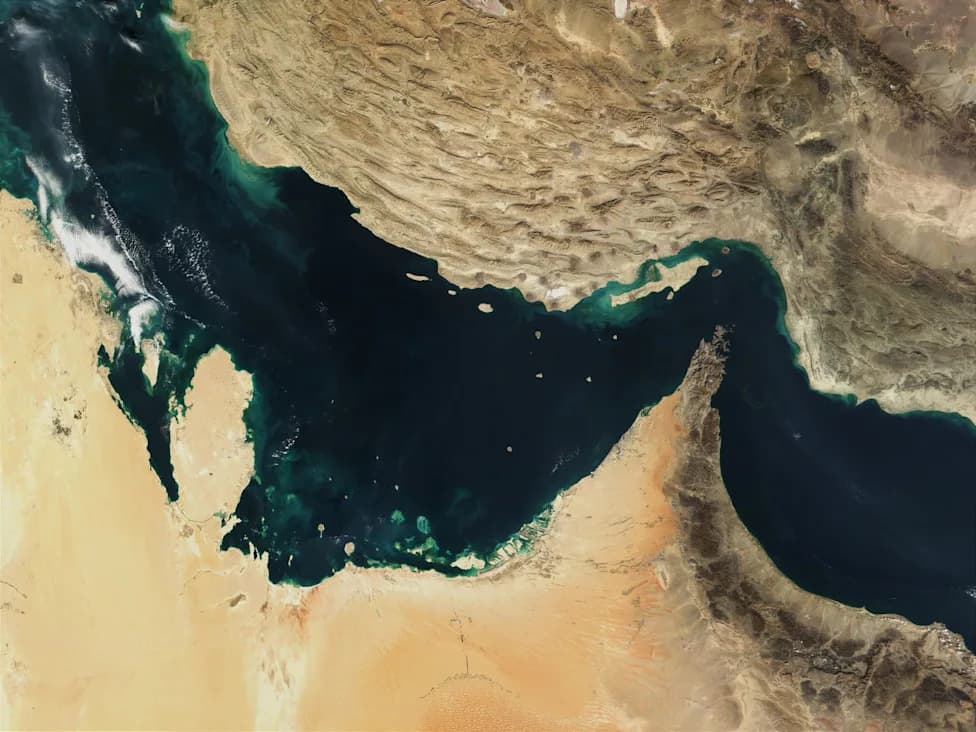
Supreme Leader Ali Khamenei has framed restrictions on transit through the Strait as leverage in the region, a stance that has contributed to volatility in oil markets. The geographic constraints of the 21-mile-wide strait — narrow channels, defined approaches and nearby shorelines — make it a favorable environment for low-cost asymmetric tactics such as disguised USVs and mines.
What To Watch
- Further UKMTO or international reports confirming additional attacks or mine-laying.
- Announcements from navies of expanded escort operations or deployments of specialized USV-countermeasure systems.
- Intelligence or open-source indicators of production, stockpiling, or training with explosive-laden skiffs.
As maritime security experts emphasize, protecting commercial traffic in the Strait of Hormuz will likely require a mix of increased surveillance, coalition coordination, rapid localized response capabilities and technologies designed to detect and defeat small unmanned surface threats.
Help us improve.