Angela Lipps, a 50-year-old grandmother from Tennessee, was arrested after an AI facial-recognition tool linked her to bank surveillance footage and spent 108 days in jail. She faced multiple identity and theft charges, but the case was dismissed on Christmas Eve when bank records proved she was over 1,200 miles away. Lipps says the ordeal cost her her home, car and dog; North Dakota police say they are investigating. The incident highlights growing concerns about the accuracy and use of facial-recognition technology in policing.
AI Facial-Recognition Error Jails Tennessee Grandmother For 108 Days — Case Dismissed After Records Exonerate Her

Angela Lipps spent 108 days in Cass County Jail in Tennessee before she appeared at a hearing in North Dakota (Cass County Jail Division)
Angela Lipps, a 50-year-old grandmother from Tennessee, spent 108 days in jail after North Dakota police used an artificial intelligence facial-recognition tool to link her to a bank fraud investigation.
Ms. Lipps was arrested last July after police said the AI tool matched her to a woman in bank surveillance footage who allegedly used a fake military ID to withdraw tens of thousands of dollars. A detective then cross-referenced the surveillance image with Ms. Lipps’ social media photos and her driver’s license image but did not conduct an in-person identification.
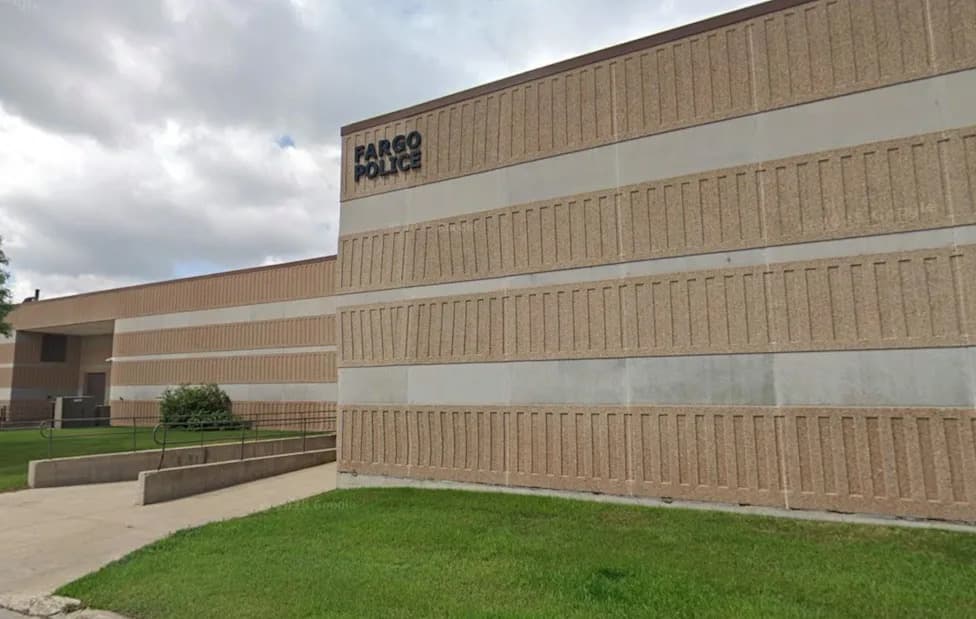
By the time North Dakota officers traveled to Tennessee to meet her, Ms. Lipps had already been held in a county jail for 108 days, local reports say. Following her arrest she was charged with four counts of unauthorized use of personal identifying information and four counts of theft, according to WDAY News.
Case Dismissed After Bank Records Show Alibi
The case was dismissed on Christmas Eve when bank records proved Ms. Lipps was more than 1,200 miles away at the times the alleged frauds occurred. She told reporters the ordeal cost her her home, her car and her dog because she could not pay bills while incarcerated.
“I had my summer clothes on, no coat, it was so cold outside, snow on the ground, scared, I wanted out but I didn’t know what I was going to do, how I was going to get home,” Ms. Lipps said. “I’m just glad it’s over. I’ll never go back to North Dakota.”
Ms. Lipps also said she was forced to spend Christmas in a hotel after North Dakota police declined to cover her travel back to Tennessee. North Dakota authorities say the matter is under investigation.
Broader Concerns
This is not an isolated incident. In January, reports said a 26-year-old man in Southampton was wrongly arrested after an AI algorithm matched him to footage of a burglary suspect 100 miles away. Civil liberties groups and technology experts have repeatedly warned about the limitations and potential biases of facial-recognition systems and the risks when police rely on them without corroborating evidence.
Legal advocates say the case underscores the need for better oversight, robust verification procedures and transparency when law enforcement uses automated identification tools.
Help us improve.