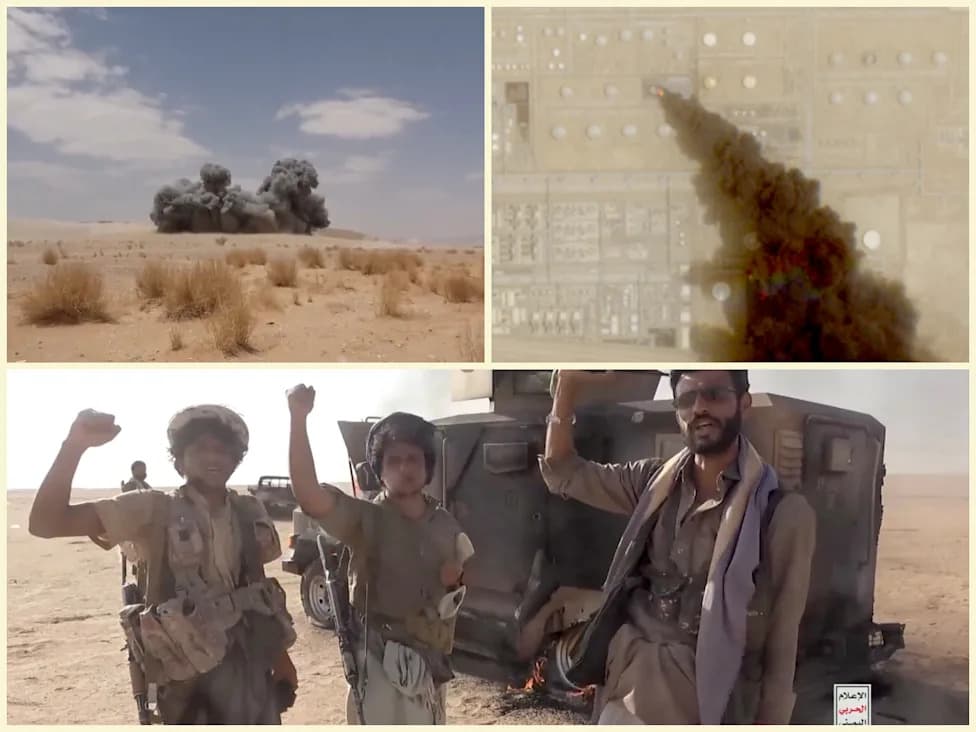
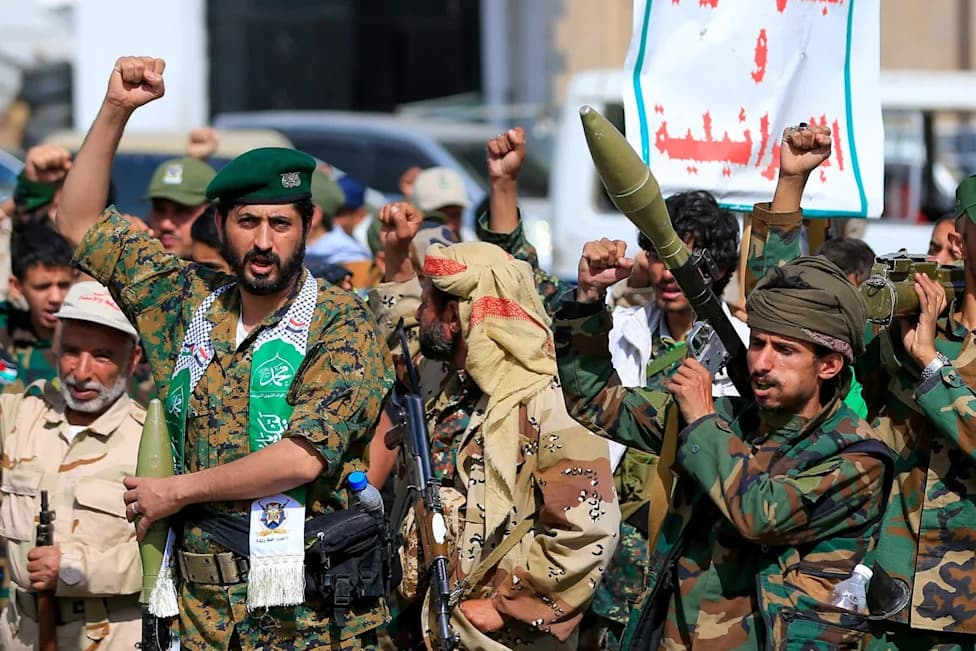
The Houthis, a potent military and political movement in northern Yemen, possess significant missile and drone capabilities and briefly attacked Red Sea shipping and Israel after Oct. 7, 2023. Despite public threats — including Abdul Malik Al-Houthi's March 5 warning that "our fingers are on the trigger" — they have not formally joined the wider Iran-linked war. Analysts cite distinct religious ties, a primary domestic agenda, fear of severe reprisals, economic limits and strategic timing as reasons they have stayed out for now.
Explainer: Why Yemen’s Houthis Have So Far Stayed Out Of The Wider Iran-Related War
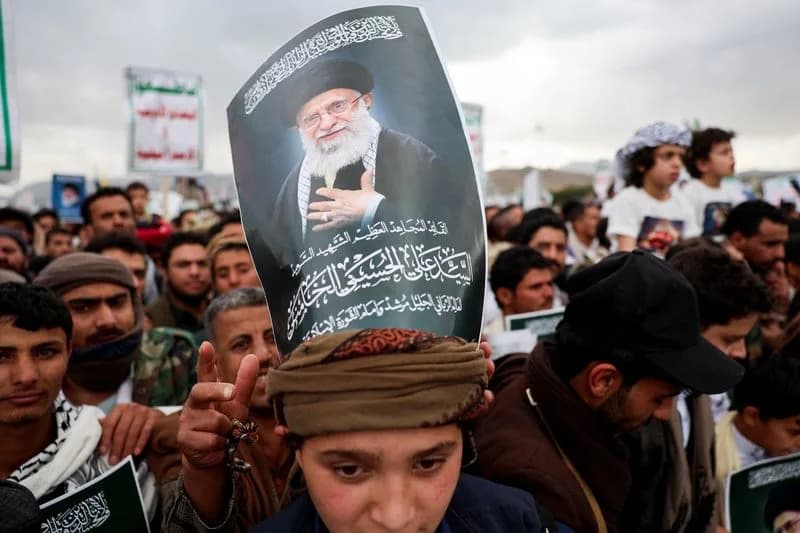
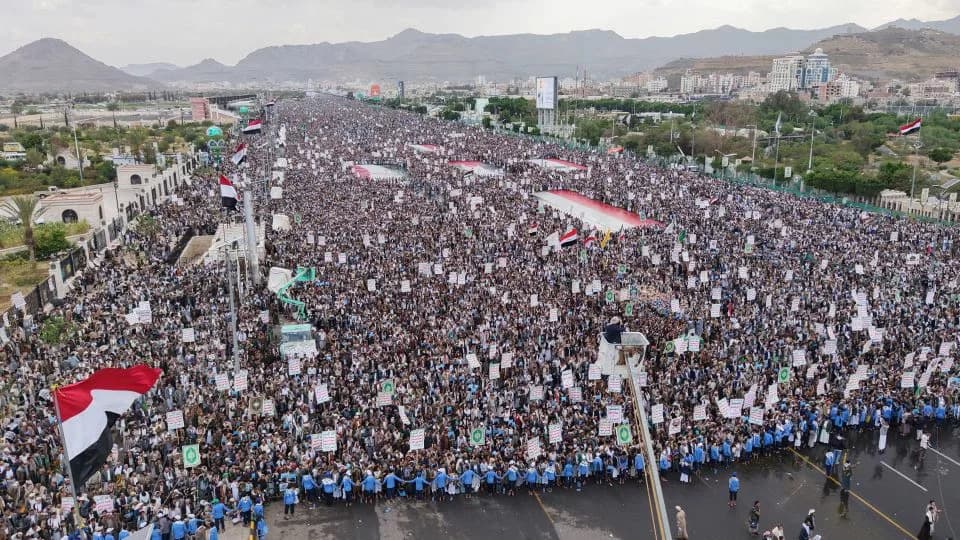
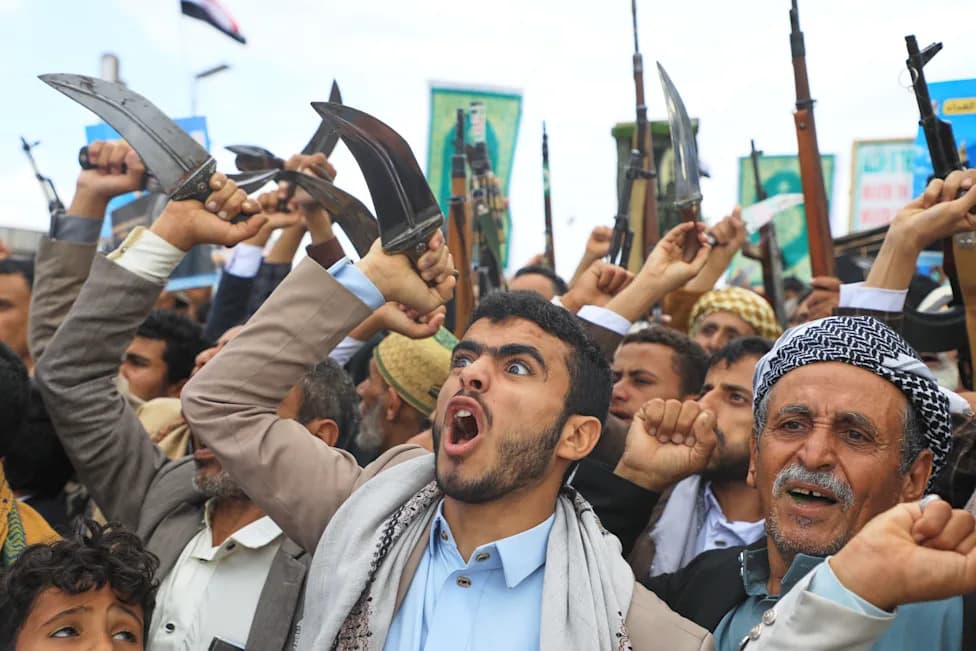
A protester with a poster on his head featuring a picture of late Iran's Supreme Leader Ayatollah Ali Khamenei joins a demonstration with Houthi supporters in solidarity with Iran and Lebanon, amid the U.S.-Israeli conflict with Iran, in Sanaa, Yemen March 6, 2026. REUTERS/Khaled Abdullah
Iran's Shi'ite allies in Lebanon and Iraq have actively joined broader regional fighting tied to strikes on Tehran, yet Yemen's Houthi movement — well-armed and capable of striking Gulf neighbours and disrupting shipping around the Arabian Peninsula — has not formally entered the wider conflict. This explainer examines who the Houthis are, what they've done recently, and why they have so far refrained from a full-scale intervention.
Who Are The Houthis?
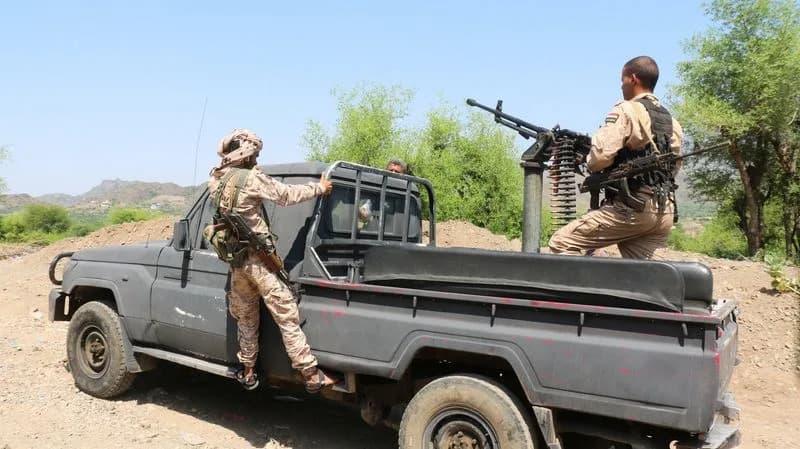
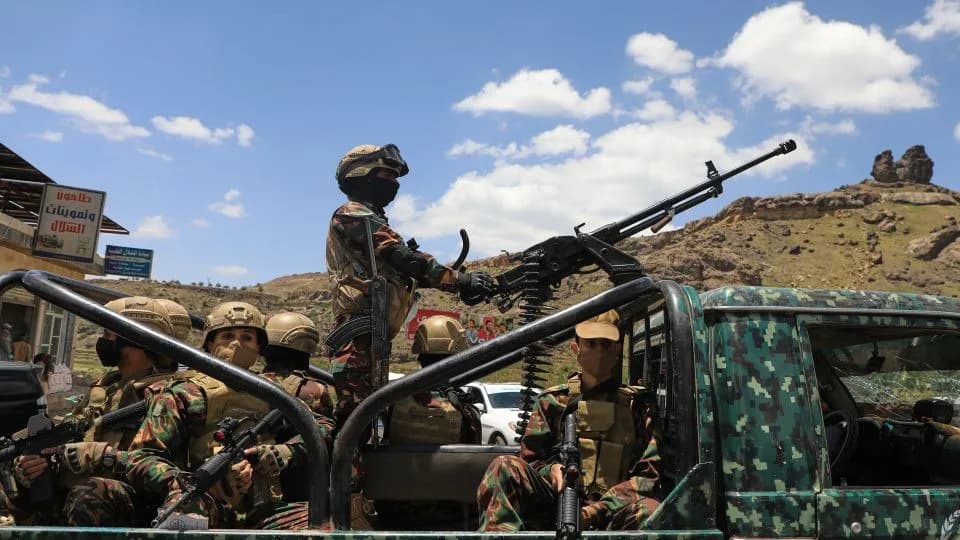
The Houthis are a military, political and religious movement rooted in northern Yemen and led by members of the Houthi family. They follow the Zaydi branch of Shi'ite Islam and have long waged guerrilla campaigns against Yemen's central authorities.
The group expanded its influence after the 2011 Arab Spring and seized the capital, Sanaa, in 2014. In 2015, a Saudi-led coalition intervened to try to dislodge them. Over subsequent years the Houthis demonstrated notable missile and drone capabilities, mounting strikes on oil facilities and key infrastructure in Saudi Arabia and the United Arab Emirates. A U.N.-brokered truce in 2022 brought a relative pause to the fighting inside Yemen.
Red Sea Attacks
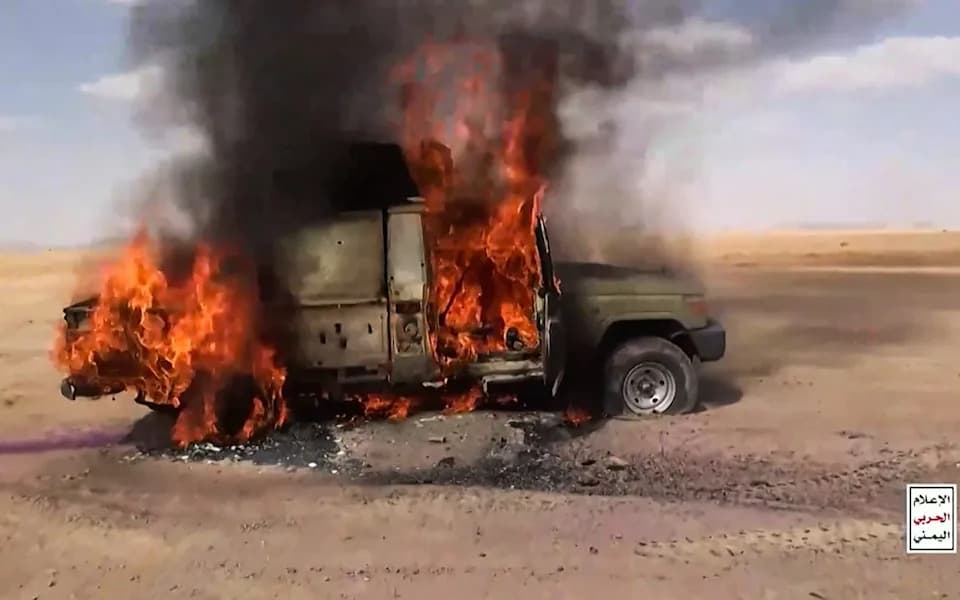
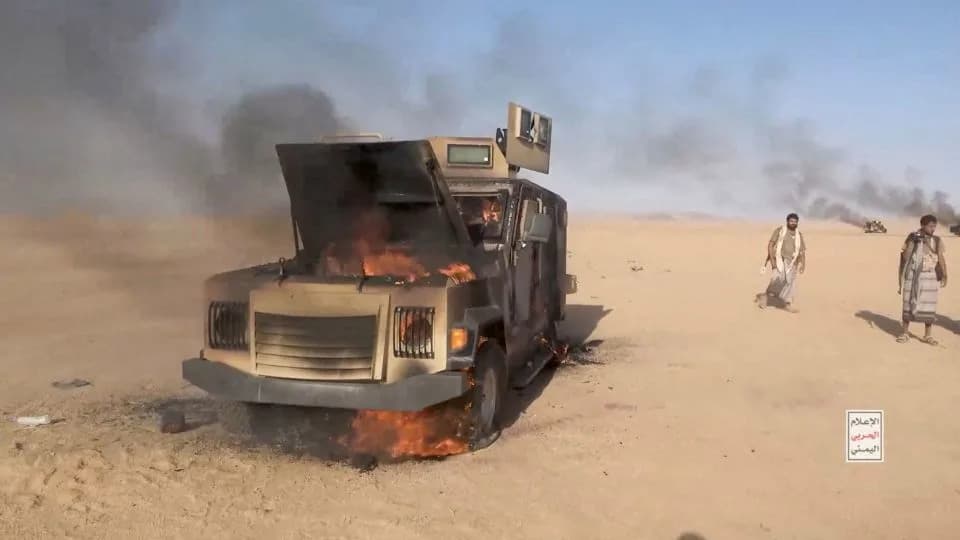
After the Oct. 7, 2023 attack on Israel by Hamas and the ensuing Israeli campaign in Gaza, the Houthis began attacking international shipping in the Red Sea, saying they were acting in solidarity with Palestinians. They also fired drones and missiles toward Israel, prompting air strikes by Israel and U.S. strikes on Houthi targets.
According to reporting, those Houthi attacks were suspended following a U.S.-brokered ceasefire between Israel and Hamas in October 2025.
Why Have They Not Entered The War?
Houthi leader Abdul Malik Al-Houthi signalled readiness to act on March 5, saying,
"Regarding military escalation and action, our fingers are on the trigger at any moment should developments warrant it."
Despite such rhetoric, the Houthis have not issued a formal declaration of joining the wider Iran-linked war — a contrast with Hezbollah in Lebanon and several armed groups in Iraq. Analysts point to several reasons:
- Different Religious and Organizational Ties: Houthi doctrine and leadership structure do not place them under Iran's supreme leader in the same institutional way as Hezbollah or some Iraqi militias, reducing the likelihood of automatic, centrally directed intervention.
- Primary Domestic Agenda: Yemen experts generally view the movement as driven first by domestic political and territorial goals, even as it shares political sympathy and some material ties with Iran.
- Risk of Severe Reprisals: Entering a broader war would likely invite intense retaliation from the United States, Israel and potentially Saudi Arabia, with heavy costs for civilian areas and the movement's governance responsibilities.
- Economic and Operational Constraints: Growing economic pressure at home and the practical limits of sustaining extended external operations make large-scale escalation risky.
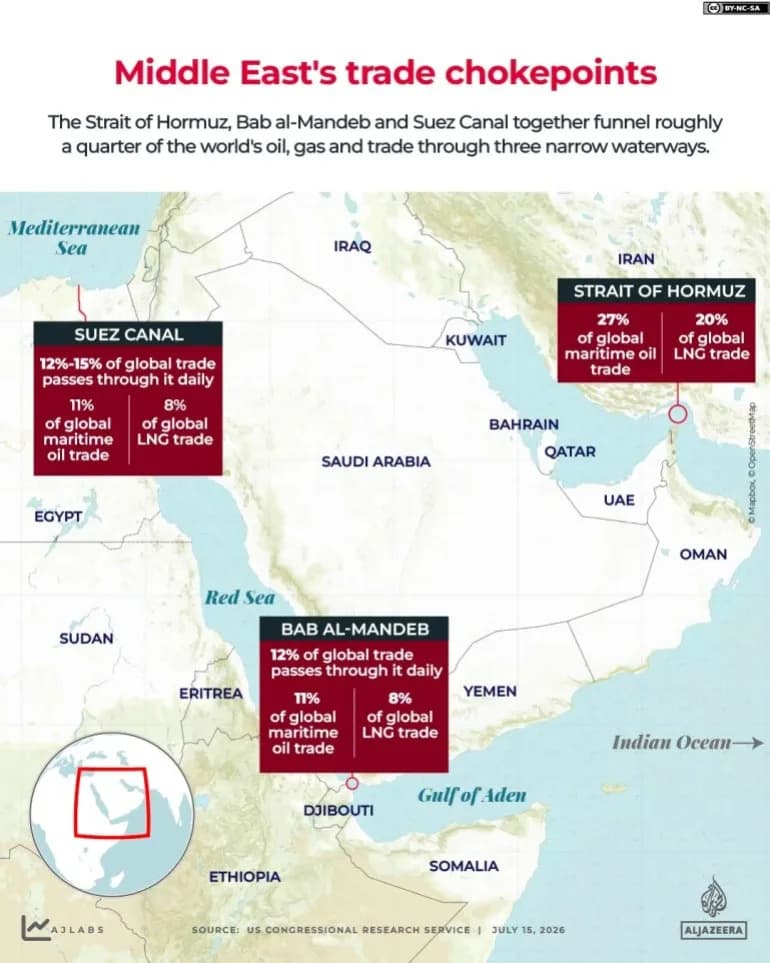
- Strategic Restraint: The Houthis may be keeping capabilities in reserve to act at an opportune moment — for example, to maximise leverage if shipping routes shift or other strategic chokepoints are threatened.
What Might They Do Next?
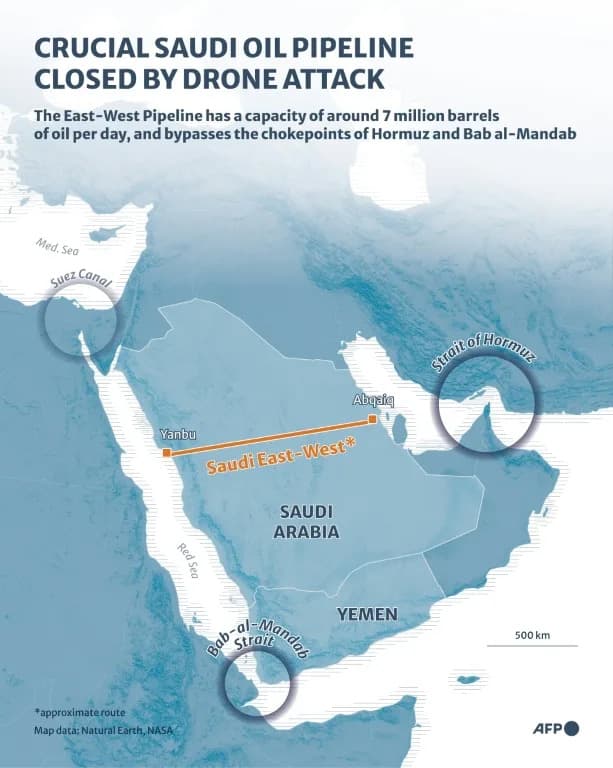
Observers remain divided. Some diplomats and analysts suspect the Houthis may already have carried out isolated or deniable strikes in neighbouring waters or against regional targets, though such claims are hard to verify. Others say the group is conserving its arsenal to coordinate a more consequential escalation with Iran when it would have the greatest effect — for example, if the Strait of Hormuz were effectively closed to Gulf hydrocarbon exports and maritime traffic shifted north through the Red Sea.
Conversely, the significant risks at home and abroad mean the Houthis might opt to stay out of a prolonged regional war altogether.
Bottom line: The Houthis remain a powerful, unpredictable force with proven strike capabilities. But a mix of distinct organizational ties, domestic priorities, economic limits and the prospect of heavy reprisals help explain why they have, so far, stopped short of formally joining the wider Iran-related conflict.
Help us improve.