The Pentagon and National Security Council underestimated Iran’s willingness to close the Strait of Hormuz, and key economic forecasts were sidelined during planning, sources say. Treasury Secretary Scott Bessent and Energy Secretary Chris Wright have been involved, but a tight circle of advisers limited broader interagency debate. Naval escorts for tankers are currently deemed too dangerous; the administration is weighing measures such as sanction relief for stranded Russian oil and a possible limited Jones Act waiver. Experts warn those regulatory fixes will likely only modestly ease price pressures driven by real supply risks.
Trump Administration Misjudged Risk of Iran Closing Strait of Hormuz, Officials Say
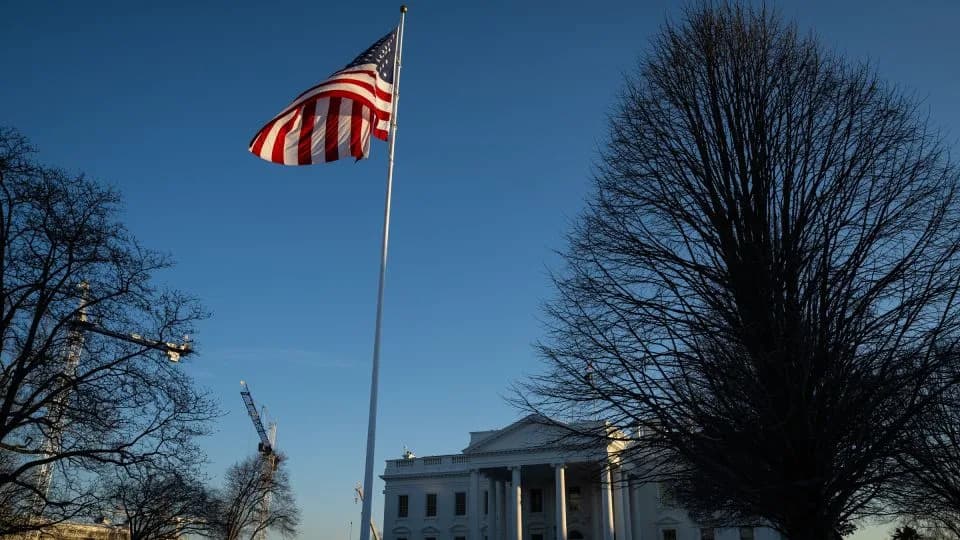
The White House in Washington, DC, US, on Tuesday, Feb. 10, 2026. - Graeme Sloan/Bloomberg/Getty Images
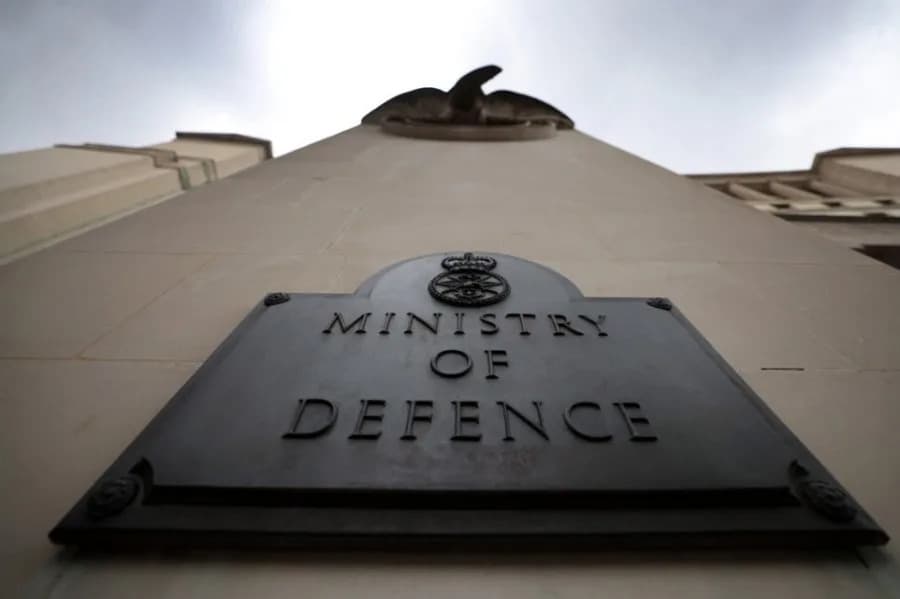
The Pentagon and National Security Council significantly underestimated Iran’s willingness to close the Strait of Hormuz in response to U.S. military strikes, according to multiple sources familiar with planning for the operation. Officials say key economic forecasts and agency analyses were treated as secondary during deliberations, leaving the administration less prepared for the scenario now unfolding.
Planning, Assumptions and Shortfalls
While officials from the Departments of Energy and Treasury attended some planning sessions, participants told reporters that the detailed agency analysis and forward-looking economic forecasts that have guided past administrations were not central to decision-making. Treasury Secretary Scott Bessent and Energy Secretary Chris Wright have been involved across planning and execution phases, the sources said, but a small inner circle of advisers dominated national security choices and limited interagency debate about potential economic fallout.
“Planning around preventing this exact scenario — impossible as it has long seemed — has been a bedrock principle of U.S. national security policy for decades,” said a former U.S. official who served in Republican and Democratic administrations. “I’m dumbfounded.”
Immediate Risks: Naval Escorts, Market Turmoil
Industry executives have repeatedly requested U.S. Navy escorts for oil tankers; the requests were declined because military leaders judge escorts too risky while Iranian drones, missiles and mines threaten transits. Pentagon officials have told energy firms they have not been ordered to begin escort operations and that current conditions make such missions hazardous.
Treasury Secretary Bessent told Sky News that escorts would start “as soon as it is militarily possible,” and Energy Secretary Wright said the administration sees short-term pain as the cost of longer-term energy security. Still, military planners warn that escorts can begin only when the operational environment materially improves and naval assets are available.
Diplomatic Signals and Policy Options
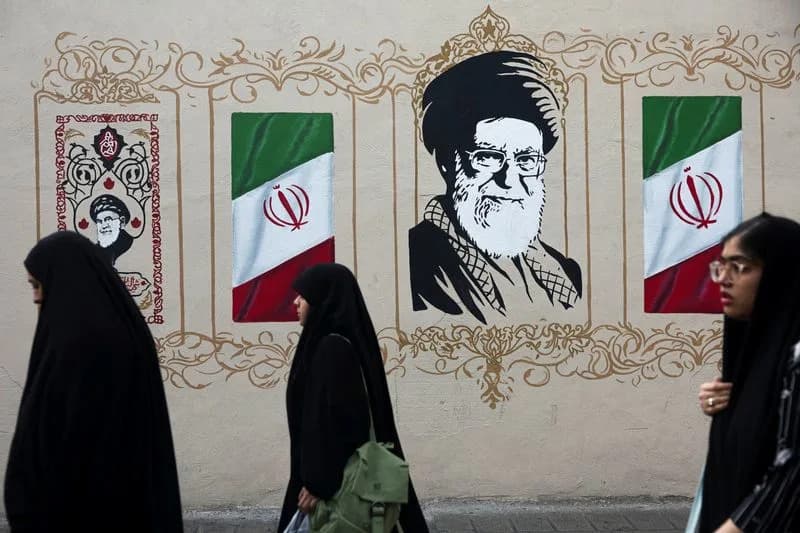
On state television, Iran’s newly prominent leader, Mojtaba Khamenei, reportedly said the strait would remain closed as a "tool of pressure," a statement that officials say constrains U.S. options. Administration officials are weighing a range of measures to blunt economic fallout, including temporarily lifting sanctions on stranded Russian oil cargos, a limited waiver of the Jones Act, and regulatory relief for gasoline producers to ease near-term supply constraints.
Officials caution that regulatory or production waivers are unlikely to fully offset price pressures driven by concerns about the physical supply of crude oil and refined products worldwide. Experts note these steps may offer modest relief but cannot replace secure passage through the strait.
Outlook
U.S. military planning historically included contingencies for an Iranian closure of key waterways, and officials say plans to respond to Iranian maritime action exist. But sources say the administration’s assumptions — including a belief that closure would harm Iran more than the United States — led to a deprioritization of downside economic scenarios. For now, the U.S. is managing the crisis in phases: securing alternative supplies, weighing regulatory relief, and preparing for naval escorts only when they become feasible.
Reporting note: Multiple current and former officials spoke on the condition of anonymity. CNN has sought comment from the Pentagon.
Help us improve.