Somalia has rejected reports that its territory could be used for foreign military operations after media outlets suggested Israel might seek a base in Somaliland near Berbera. Ali Omar, Somalia's state minister for foreign affairs, reiterated that only the federal government can authorise international security arrangements. Somaliland officials have made mixed statements about a possible Israeli presence. The reports arrive amid broader regional tensions that threaten vital shipping lanes including the Strait of Hormuz and Bab al‑Mandeb.
Somalia Rejects Reports Of Israeli Military Base In Somaliland, Warns Against Any Foreign Military Use
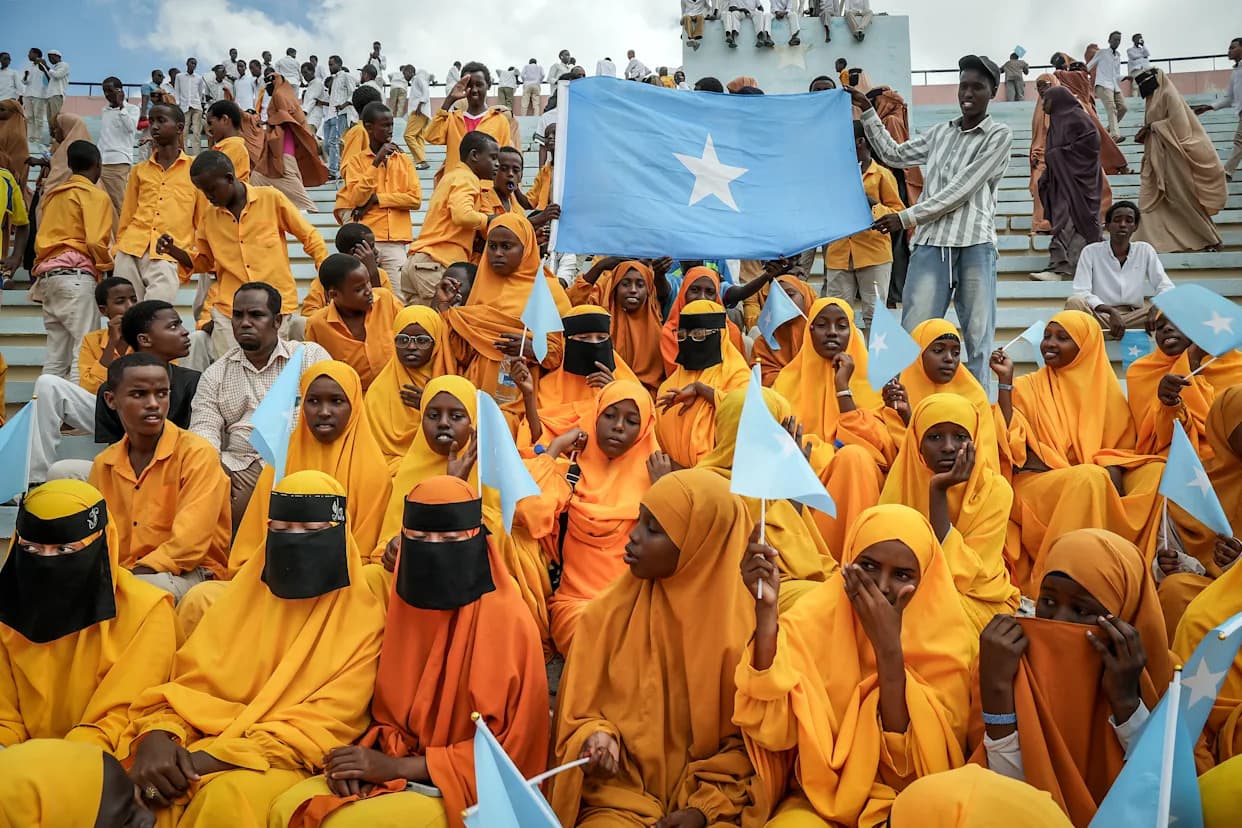
Residents wave Somali flags at a Mogadishu rally on December 30, 2025, denouncing Israel’s recognition of Somaliland and calling for Somalia’s unity. [File: AFP]
Somalia has issued a firm warning that its territory must not be used as a staging ground for foreign military operations after media reports suggested Israel may be considering establishing a base in Somaliland near the strategic port of Berbera.
Official Response From Mogadishu
Ali Omar, Somalia's state minister for foreign affairs, told Al Jazeera that "Somalia does not want to see its territory pulled into external confrontations or used in ways that could further destabilise an already sensitive region." He stressed that "the Federal Government is the only authority empowered to enter into international security or military arrangements on behalf of the country."
"Any discussions about foreign military facilities on Somali territory that take place outside that framework simply have no legal standing," Omar said.
Reports And Mixed Statements From Somaliland
The statements from Mogadishu followed reports by Bloomberg and Sweden’s public radio Ekot that Israel may be planning a military facility near Berbera on the Gulf of Aden. Somaliland officials have offered mixed messages: some denied any military talks and insisted diplomatic ties were the focus, while other officials acknowledged that a military presence was being discussed or "could not be ruled out."
Diplomatic Context
Somaliland declared independence from Somalia in 1991 and has operated with de facto autonomy for decades. In late December, Israel announced recognition of Somaliland and the two sides established diplomatic ties; Somaliland has not publicly disclosed details of any security arrangements linked to that agreement.
Regional Implications
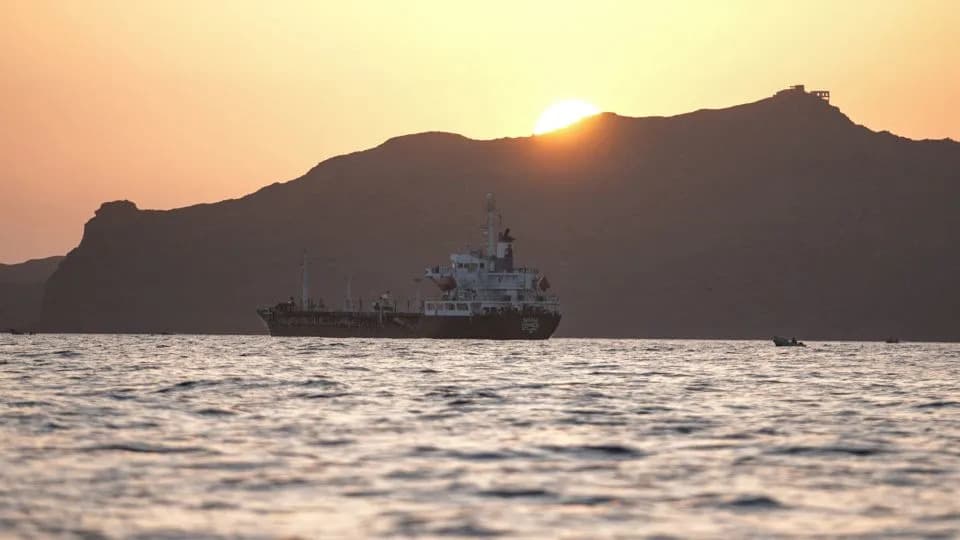
The reports come amid heightened regional tensions involving Iran and its allies. Shipping routes and chokepoints such as the Strait of Hormuz and the Bab al-Mandeb Strait have received increased attention because of disruptions to global trade and the risk that the conflict could widen. The Houthis in Yemen and Lebanon’s Hezbollah—both aligned with Tehran—have warned against any Israeli military presence in the region and have previously threatened or carried out actions against shipping linked to Israel.
The U.S. embassy in Djibouti this week reiterated guidance urging U.S. citizens to avoid the vicinity of Camp Lemonnier, the United States’ largest base in Africa, reflecting concerns that instability could spread across the Horn of Africa and adjacent maritime corridors.
Why This Matters
Ali Omar warned that "the Red Sea and the Gulf of Aden are critical corridors for global trade and regional security, and instability there affects the entire Horn of Africa." He emphasised that steps exposing Somali communities to unnecessary risk or drawing them into wider geopolitical conflicts are not in the interest of the Somali people.
Help us improve.