Harvard has transferred daguerreotype portraits believed to be the earliest photographs of enslaved people in the U.S. to the International African American Museum in Charleston after agreeing in May 2025 to relinquish ownership. The 1850 images, showing an enslaved father and daughter, were commissioned by Louis Agassiz and photographed by Joseph Zealy as part of a racist scientific project endorsing polygenism. The transfer resolves a six-year lawsuit brought by descendant Tamara Lanier. The IAAM says it will reframe the photos from tools of pseudoscience into portraits honoring the individuals' lives and humanity.
Harvard Returns Believed Earliest U.S. Photographs of Enslaved People to Charleston Museum
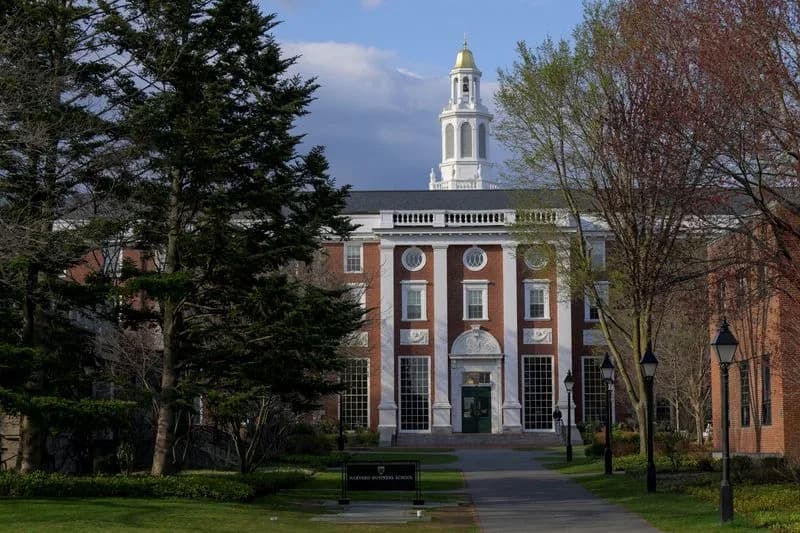
FILE PHOTO: A view of the Business School campus of Harvard University in Cambridge, Massachusetts, U.S., April 15, 2025. REUTERS/Faith Ninivaggi/File Photo
Harvard University has transferred to the International African American Museum (IAAM) in Charleston, South Carolina, a set of daguerreotype portraits believed to be the earliest known photographs of enslaved people in the United States. The images, taken in 1850, depict an enslaved father and his daughter and were produced without their consent.
Originally commissioned by Harvard scientist Louis Agassiz and photographed by Joseph Zealy in Columbia, South Carolina, the daguerreotypes were created for a project intended to support theories of Black inferiority and polygenism. For more than 175 years the images existed in institutional collections and in historical records tied to scientific racism.
In May 2025 Harvard agreed to relinquish ownership of the photographs as part of a settlement resolving a six-year lawsuit brought by descendant Tamara Lanier. The university said it had long sought to place the images in a public institution "to put them in the appropriate context and increase access to them for all Americans."
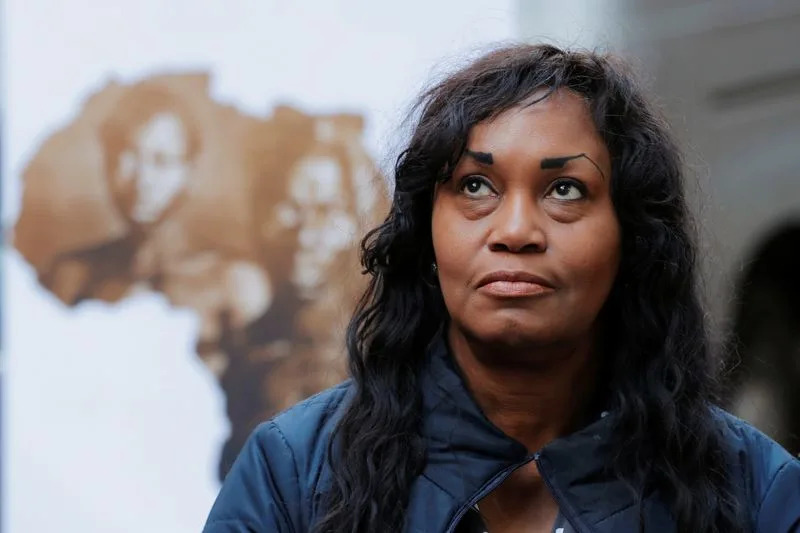
Tamara Lanier listens as her lawyer speaks to the media about a lawsuit accusing Harvard University of the monetization of photographic images of her great-great-great grandfather, an enslaved African man named Renty, and his daughter Delia, outside of the Harvard Club in New York, U.S., March 20, 2019. REUTERS/Lucas Jackson/File Photo
"More than 175 years after they were created in South Carolina, the 1850 daguerreotypes, believed to be the earliest known photographs of enslaved people in the United States, have returned to the state where the individuals depicted were enslaved and forcibly photographed," the IAAM said in a statement.
The IAAM said it will reframe the daguerreotypes "from instruments of pseudoscience into portraits honoring the lives and humanity of the individuals they captured." The museum plans to present the images with interpretive context about their origins, the coercive conditions under which they were made, and the broader history of racial science.
The transfer and the legal settlement have sparked renewed discussion about how museums and universities should handle sensitive historical material obtained through coercion or racialized research, and about the rights of descendants to seek redress and stewardship over ancestral images and artifacts.
(Reporting by Kanishka Singh; Editing by Bill Berkrot)
Help us improve.