New archival research shows some enslaved Africans were branded with a British Crown emblem and the South Sea Company logo; letters from 1714 indicate directors sent irons from England and instructed agents to mark captives. The Register of British Slave Traders documents about 13,000 individuals and hundreds of institutions involved between 1563 and 1807, estimating some three million people were enslaved. The revelations have renewed calls for apologies and reparations and are explored in a BBC series by David Olusoga.
New Research Shows British Crown Emblem Was Branded On Enslaved Africans
[Getty Images]
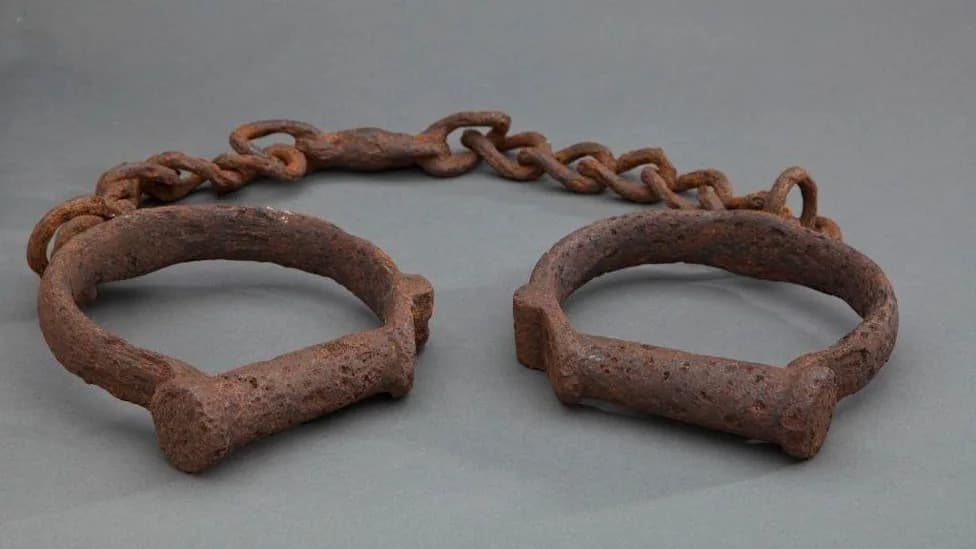
New findings from the Register of British Slave Traders reveal that some enslaved African people were physically branded with a mark bearing the British Crown and the South Sea Company emblem. The evidence — uncovered in company archives and directors' letters — illuminates direct involvement by London-based financiers in the violence of the transatlantic slave trade.
What Researchers Found
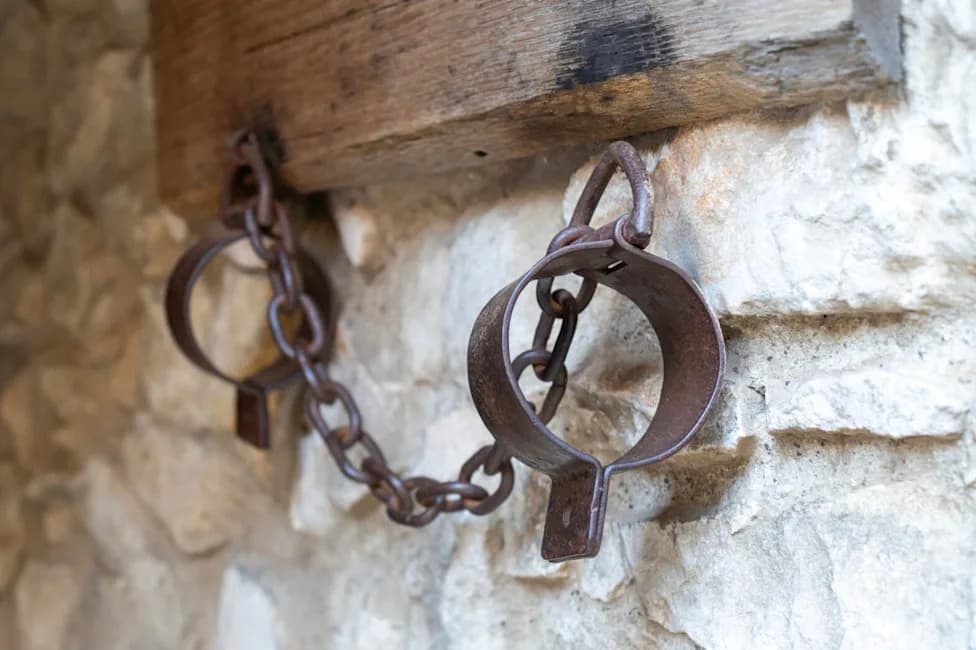
Dr Nicholas Radburn of Lancaster University discovered a Crown-and-company logo mark while consulting the South Sea Company's records at the British Library. Further letters dated February 1714 show that company directors sent irons made in England and instructed their agents, or "factors," in the Spanish Americas to brand captives on the left shoulder to distinguish them from other enslaved people.
The Register
Led by Professor William Pettigrew of King’s College London, the Register of British Slave Traders documents around 13,000 individuals and hundreds of institutions that invested in Britain’s role in the transatlantic slave trade between 1563 and 1807. The team describes it as the most comprehensive national study of slave traders to date, the product of five years of research.
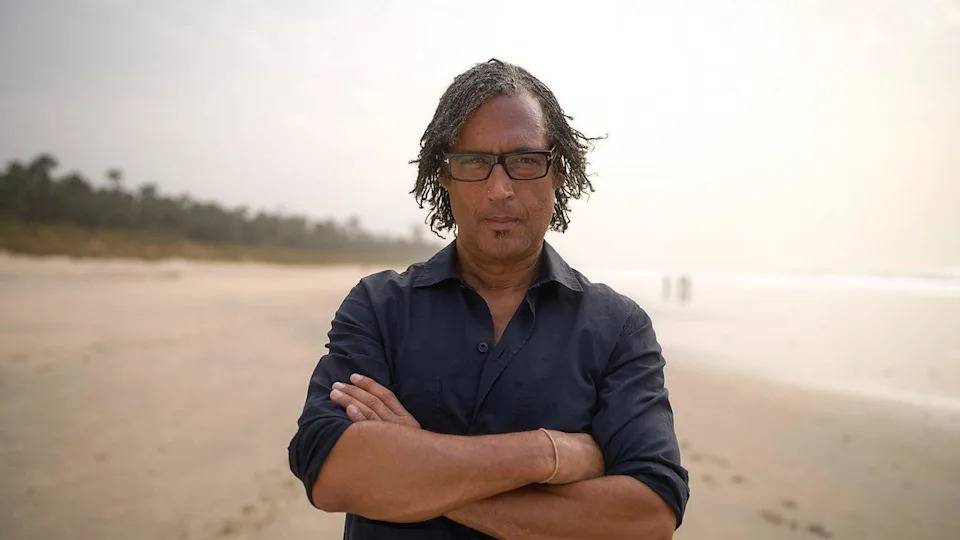
Historian David Olusoga explores the new Register of British Slave Traders in a new BBC documentary [BBC/Hillgate Films and Voltage TV/Stephen Robinson]
Scale and Legacy
King’s College researchers estimate that England’s participation helped enslave about three million African men, women and children, with roughly half a million dying during forced transportation. The Register highlights how financial support for the trade came from a wide cross-section of society — from monarchs and politicians to tradespeople and clergy — and how those investments contributed to Britain’s economic and urban development.
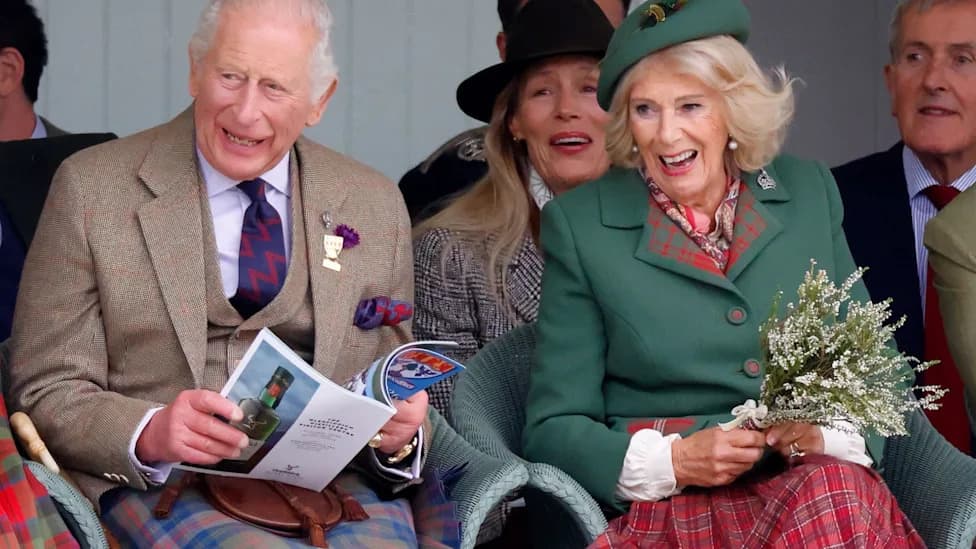
“It is a dramatic and harrowing symbol,” Professor Pettigrew said, describing the Crown imprint as evidence of the monarchy’s historical links to the trade. He also emphasised the distinction between the monarchy as an enduring institution and the individuals who acted within it.
Responses and Political Consequences
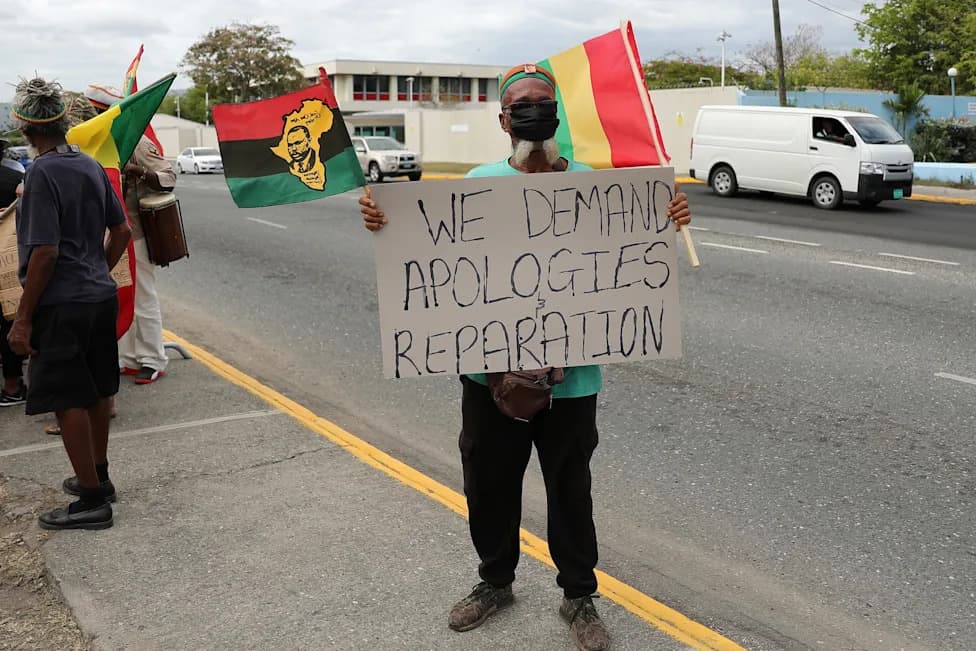
Buckingham Palace issued a statement saying King Charles has "expressed his personal and wholehearted commitment to promoting greater understanding around the issue of slavery and finding ways to address historic wrongs." Meanwhile, governments and campaigners in affected countries continue to press for formal apologies and reparations.
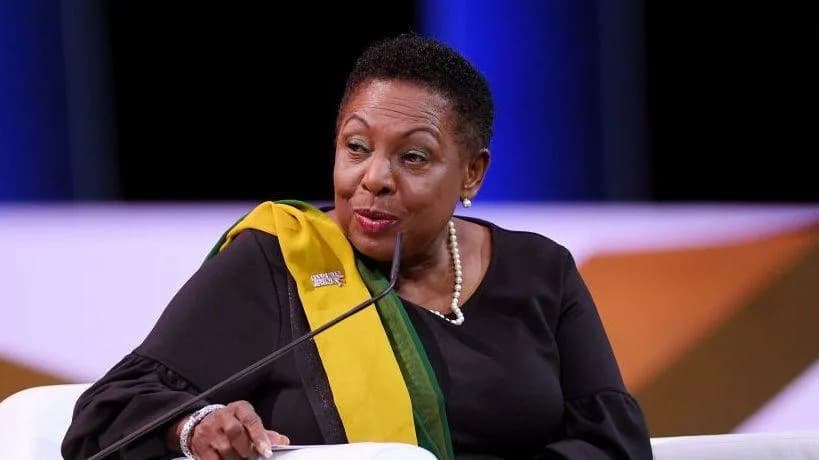
In September, Jamaica announced plans to petition King Charles — its head of state — to refer legal questions on the historical legality of enslavement to the Judicial Committee of the Privy Council. The UK government has reiterated that, while it condemns the transatlantic slave trade as abhorrent, it does not pay reparations.
Further Coverage
The Register’s findings and the broader historical debate are examined in a BBC two-part series presented by historian David Olusoga, Finding Britain's Slave Traders, which aired on BBC Two and is available via BBC iPlayer.
Help us improve.