Rising seas and higher temperatures are pushing saltwater into coastal forests, creating so-called 'ghost forests' across places such as the Chesapeake Bay. Salt intrusion kills trees slowly and often allows invasive phragmites to replace native marshes. The change undermines carbon storage and shoreline protection, and experts warn mitigation and adaptive coastal management are needed to limit future losses.
Ghost Forests Spread Along US Coasts — Rising Seas, Saltwater and Invasive Reeds
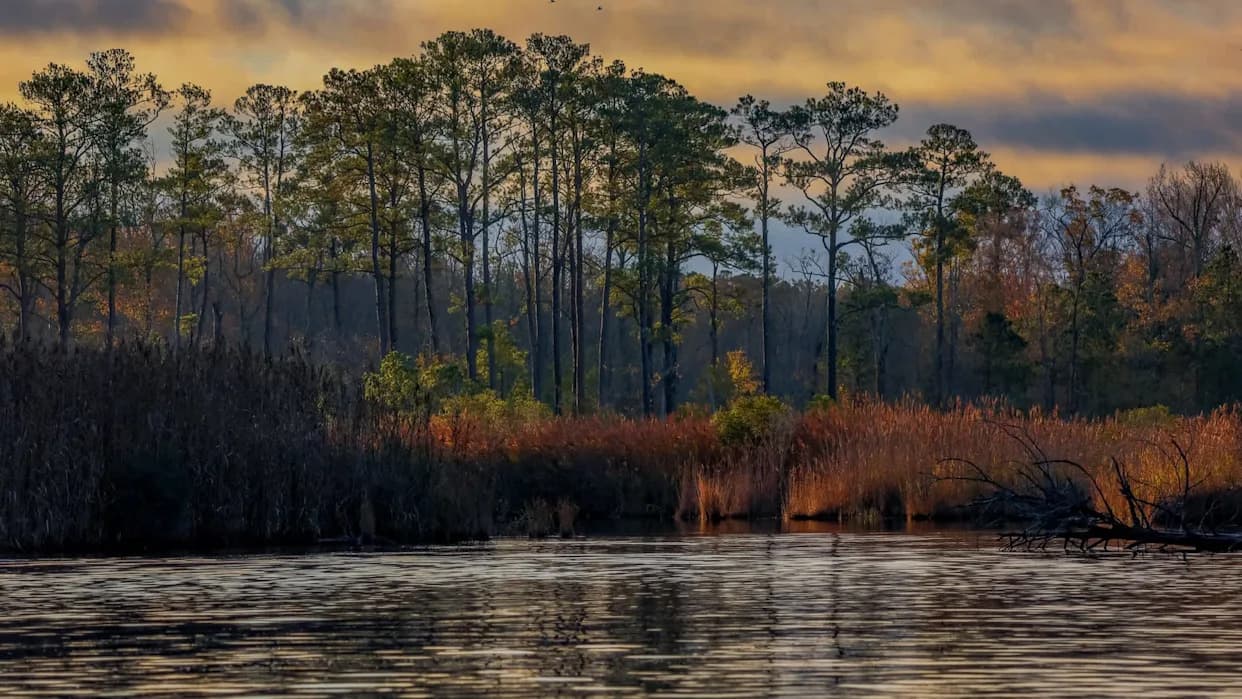
Photo Credit: iStock
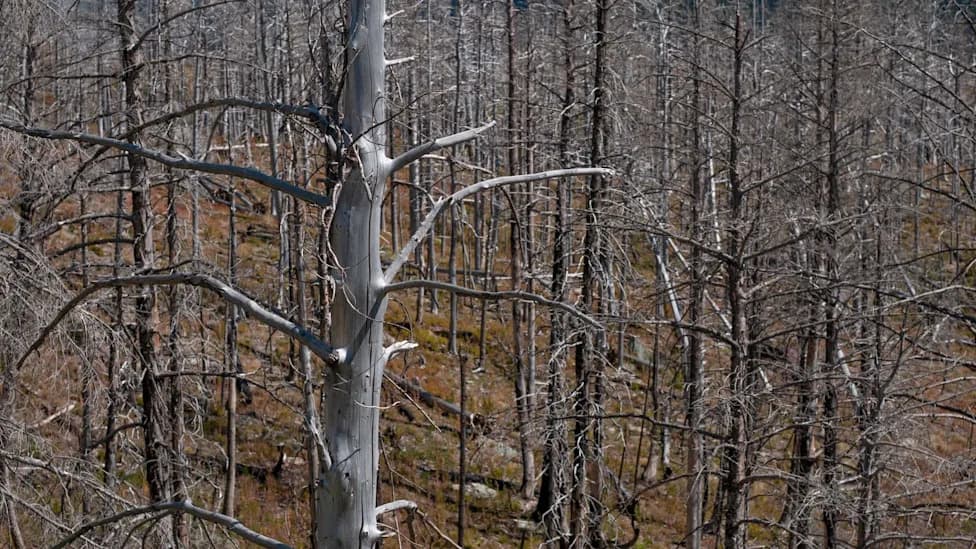
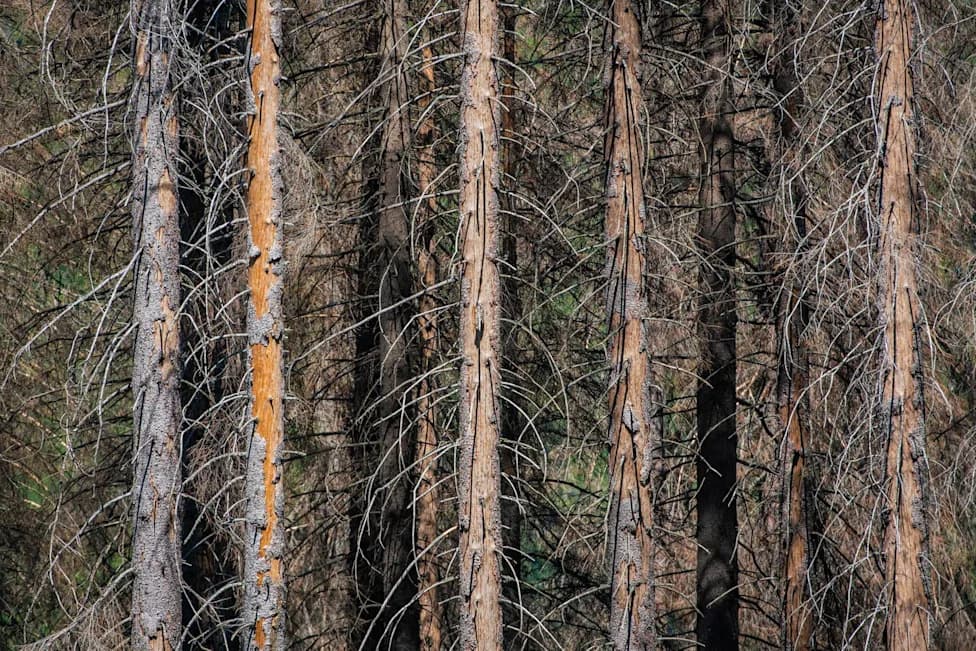
The Chesapeake Bay and other U.S. estuaries are taking on an eerie, funerary look as saltwater moves inland and slowly kills stands of cedar, pine and deciduous hardwoods. Scientists warn that rising temperatures and higher seas are driving saltwater into coastal forests, a process that unfolds over decades and is already producing widespread 'ghost forests.' Reported details are based on recent research summarized in the Annual Review of Marine Science and reporting by Knowable Magazine.
'The impact of saltwater intrusion on coastal forests and farmland is typically understood as sea-level-driven inundation of a static terrestrial landscape, where ecosystems neither adapt to nor influence saltwater intrusion. Yet recent observations of tree mortality and reduced crop yields have inspired new process-based research into the hydrologic, geomorphic, biotic, and anthropogenic mechanisms involved.'
Stephanie Stotts, a forest ecologist at the University of Maryland Eastern Shore and coauthor of the review, says the expected transition from drowned forest to native salt marsh is not always occurring. "When a lot of these forests die back, instead of being replaced with a native salt marsh ... what's actually taking its place is a phragmites marsh," she told Knowable Magazine.
The Minnesota Aquatic Invasive Species Research Center describes phragmites (common reed) as "a tall, densely growing perennial grass that can take over large areas, displacing native vegetation and reducing habitat quality for fish and wildlife." Where phragmites dominate, native biodiversity and habitat function often decline.
Trees exposed to increasing salinity frequently decline slowly; the full extent of damage from decades of saltwater intrusion can take many years to appear. As Stotts bluntly put it, "We're about 50 years behind," reflecting the lag between rising seas and visible large-scale die-offs of coastal forests.
Why Ghost Forests Matter
These dead stands are more than a spooky sight. Living trees sequester carbon, stabilize soils and buffer shorelines from waves and storm surge. When forests die, decaying wood and disturbed soils can release carbon dioxide and methane, potentially turning local carbon sinks into sources. The loss of tree cover also increases shoreline erosion and leaves communities and habitats more exposed to extreme weather, which is being intensified by human-caused climate change.
What Can Be Done
Researchers emphasize two broad responses: reduce greenhouse gas emissions to slow sea-level rise, and adapt coastal management to protect and restore ecosystems. Possible measures include restoring freshwater flows where feasible, creating buffer zones, controlling invasive species like phragmites, strategic planting of salt-tolerant vegetation, and managed retreat or other land-use planning to reduce exposure. Continued monitoring and research are critical to anticipate future changes and guide interventions.
Addressing ghost forests will require coordinated policy, community action, and emissions reductions to limit further sea-level rise and to preserve coastal ecosystems and the services they provide.
Help us improve.