A 2026 study in Nature Ecology & Evolution projects that over 100 non-native marine species could colonise coastal lands flooded by sea-level rise by mid-century. Under a moderate emissions pathway, ~20 cm of global sea-level rise by 2050 could create 290,000–470,000 km² of potentially suitable habitat — nearly the size of Italy. Estuaries are identified as high-risk invasion hubs; the authors urge improved monitoring and targeted management to protect biodiversity and coastal economies.
Sea-Level Rise Could Expose Coastal Lands to 100+ Invasive Marine Species by 2050
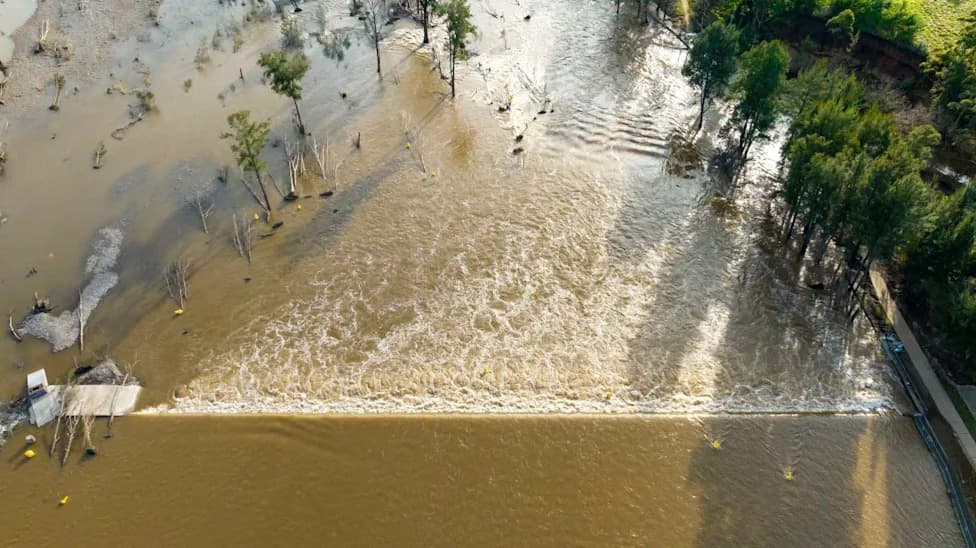
The invasive species that may run rampant as sea levels rise
A new study warns that rising seas could allow more than 100 non-native marine species to establish themselves on coastal lands by mid-century, threatening biodiversity, fisheries and coastal economies.
Key Findings
The research, published in Nature Ecology & Evolution (2026), used species-distribution models to project the future ranges of 122 non-native marine species under sea-level rise scenarios. Under a moderate emissions pathway, global mean sea level is projected to rise by about 20 cm by 2050. In that scenario, researchers estimate that 290,000–470,000 km² of coastal land could be inundated and become potentially suitable habitat for invasive species — an area approaching the size of Italy.
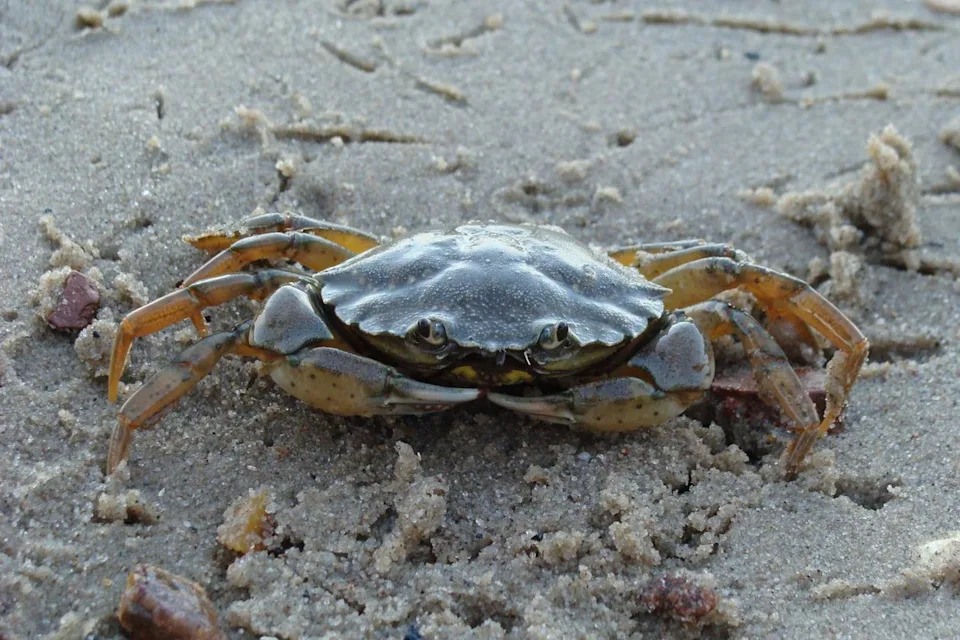
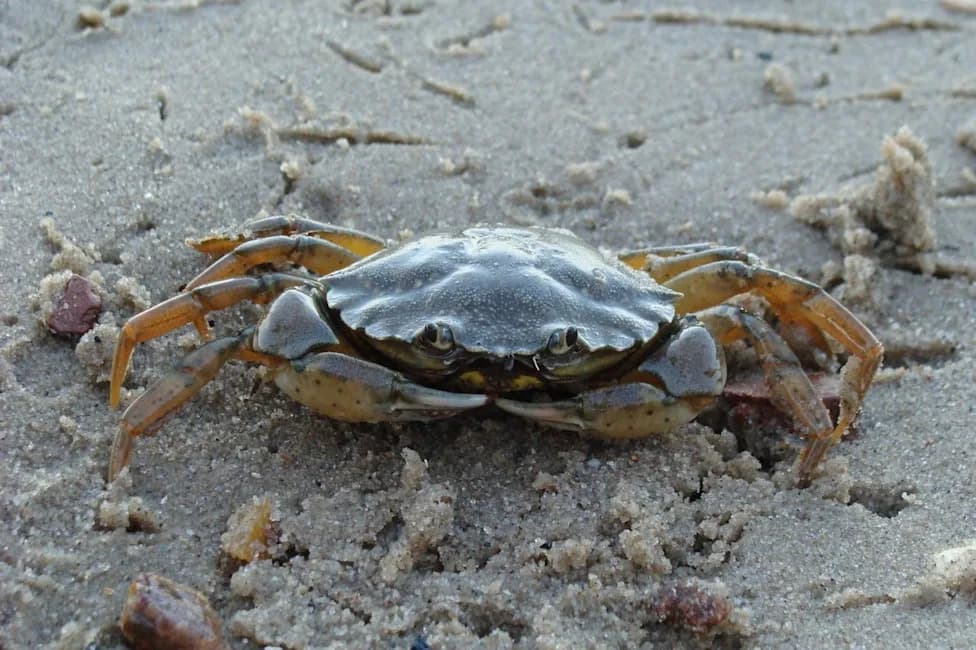
European green crab (D. Hazerli)
Species highlighted in the study that pose notable risks include the Chinese Mitten Crab, Pacific Oyster, Asian Tiger Shrimp, European Green Crab, Atlantic Blue Crab, Veined Rapa Whelk, Striped Barnacle, Orange-Striped Green Sea Anemone, and the Indo-Pacific Swimming Crab, among others. The authors note that these invaders often have traits that help them outcompete native species and rapidly alter ecosystem functions.
Why Estuaries Are Especially Vulnerable
Estuaries are identified as hotspots for landward invasions because they concentrate human activities, transport pathways (such as shipping and aquaculture), and environmental conditions that many invasive species exploit. The study finds that several invaders could colonize two-thirds of the newly inundated coastal land in regions where they are already established, with particularly large gains projected in zones adjacent to estuaries.
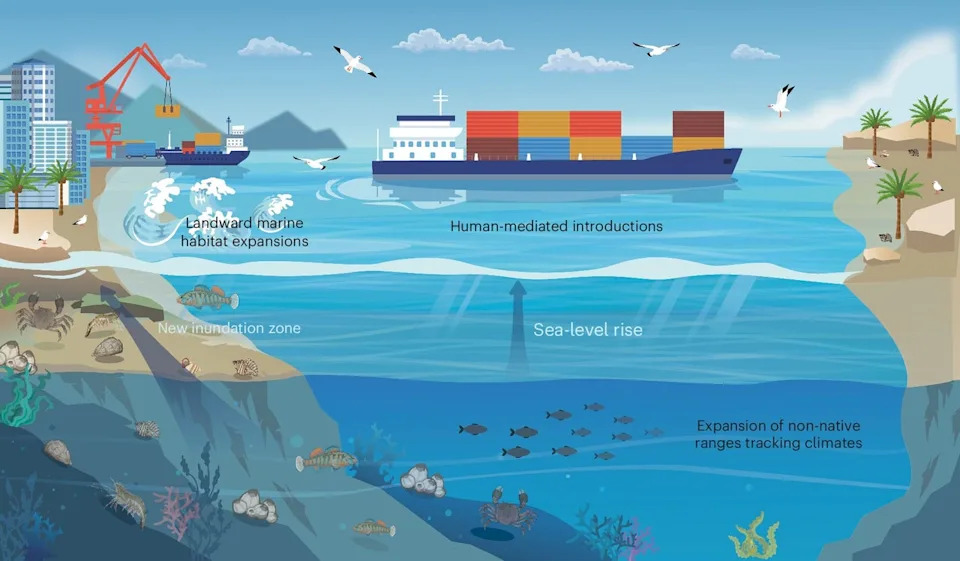
Three fundamental pathways for biological invasions (Nature Ecology & Evolution 2026)
Impacts, Caveats and Recommendations
Landward invasions of marine non-native species could reduce local biodiversity, disrupt fisheries and other coastal industries, and alter ecosystem services. The authors call for early monitoring, targeted surveillance around estuaries and transport hubs, and proactive management to reduce the risk and economic impact of invasions.
'Sea-level rise may open new habitats for the landward expansion of marine non-native species into inundated coastal lands, which remains unexplored,' the authors write.
The researchers acknowledge important caveats: not all newly inundated habitats will be colonised rapidly, and local environmental conditions and the availability of transport pathways will influence invasion success. Still, they argue that incorporating sea-level rise into invasion-risk assessments and closing surveillance gaps will help inform targeted management plans.
Bottom line: Rising seas could create hundreds of thousands of square kilometres of new habitat for marine invaders by 2050, with estuaries the most at-risk areas — making early monitoring and management a priority.
Help us improve.