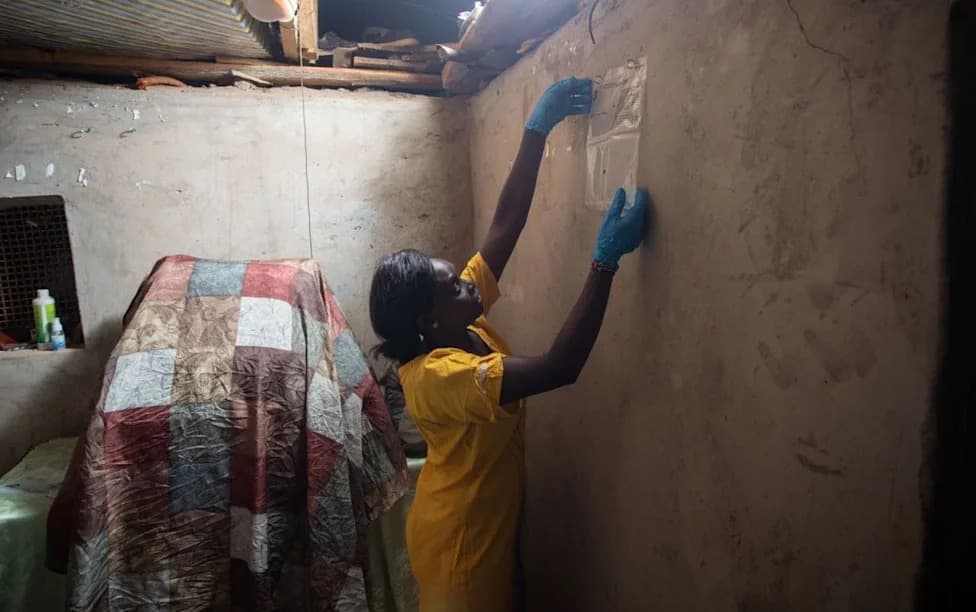
A genetic study in Scientific Reports finds that some Southeast Asian forest mosquitoes evolved to prefer human blood between 2.9 million and 1.6 million years ago, likely within Sundaland (Java, Sumatra, Borneo and the Malay Peninsula). Researchers sequenced 38 mosquitoes from 11 species (collected 1992–2020) and used mutation rates and evolutionary models to infer the timing. The shift may reflect increased encounters with early hominins during climatic changes over the last 2 million years, offering a genomic complement to sparse fossil evidence. Future work will track genes — such as olfactory receptors — that underlie host preference and disease transmission.
How Mosquitoes’ Taste for Human Blood Could Reveal When Early Humans Reached Southeast Asia
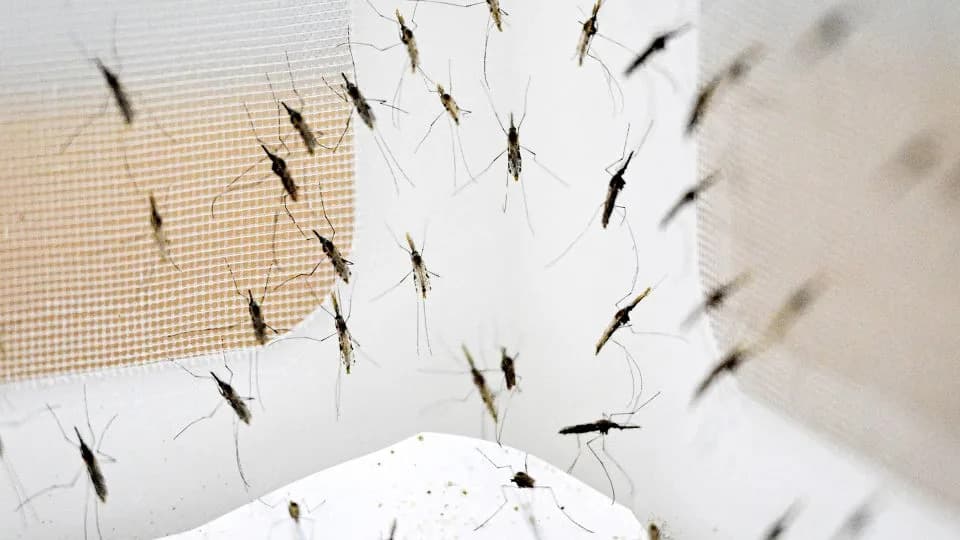
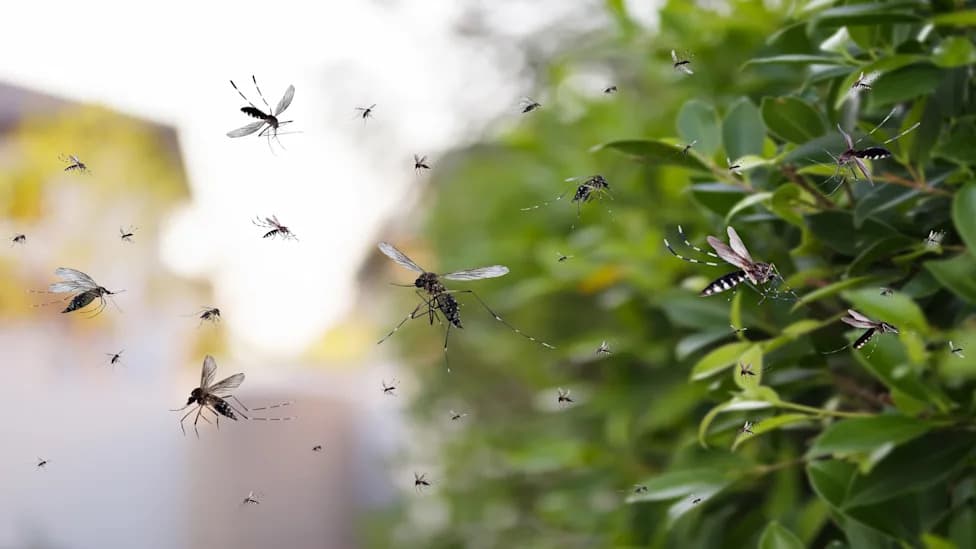
Mosquitoes have existed far longer than humans, but evolved to feed off of their blood. - Tang Chhin Sothy/AFP/Getty Images
Mosquitoes existed long before humans, but only a few species evolved a strong preference for feeding on people. A new genetic study suggests that some forest-dwelling mosquitoes in Southeast Asia developed a human-biting habit between 2.9 million and 1.6 million years ago, a shift that may record the presence of early hominins in the region.
What the Study Found
The research, published on February 26 in Scientific Reports, focused on the Southeast Asian Anopheles leucosphyrus group. The team sequenced DNA from 38 mosquitoes representing 11 species (specimens collected between 1992 and 2020) and used mutation-rate estimates and evolutionary models to reconstruct their history. Analyses indicate that a preference for human blood evolved once within a subset of the group in the geological region called Sundaland (Java, Sumatra, Borneo and the Malay Peninsula).
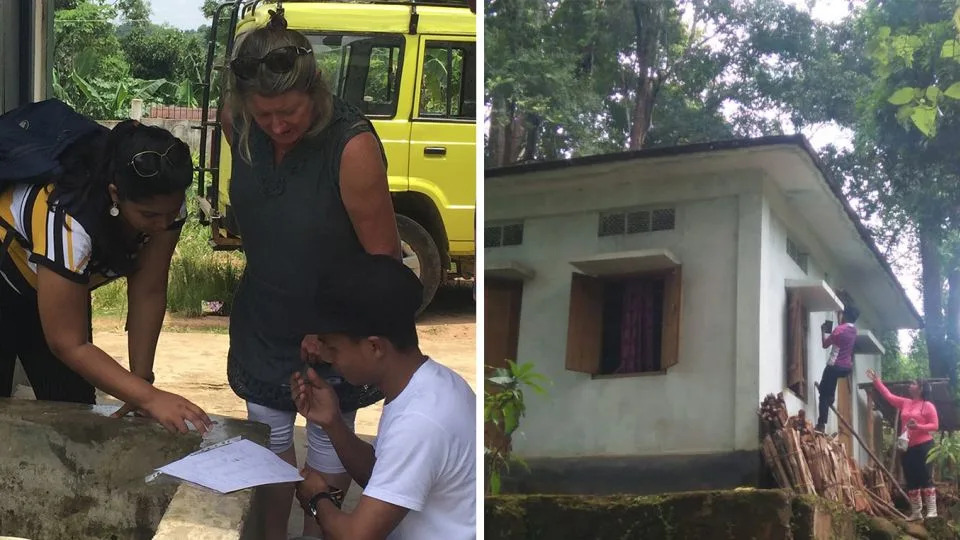
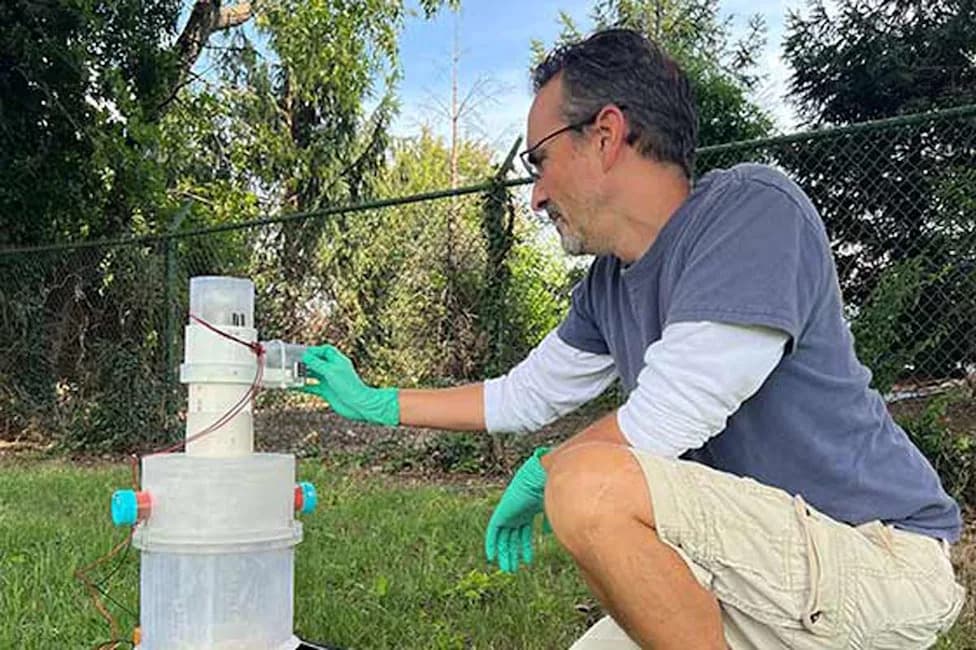
A field entomologist, Cathy Walton and Upasana Singh can be see collecting mosquito larvae in Northeast India (left). Singh and an entomologist set traps to catch adult mosquitoes outside the sleeping quarters. - Upasana Shyamsunder Singh
Fieldwork and Methods
Fieldwork — including extensive sampling in Borneo — documented behavioral contrasts between species attracted to humans and those that prefer nonhuman primates. Researchers collected adults that approached people but had to sample tree-dwelling, monkey-associated species via larvae found in ground pools under the canopy. By combining DNA sequencing, mutation-rate calibration and computational models, the team estimated the timing of the host-shift.
Why It Matters
The timing of this shift coincides with environmental changes over the past 2 million years that produced cooler, drier intervals, seasonal forests and more open habitats. The authors suggest these shifts could have facilitated hominin movement through Sundaland, increasing encounters between people and certain mosquito lineages and creating selective pressure for human-biting behavior. Catherine Walton (University of Manchester), a study coauthor, says the pattern is consistent with Homo erectus or related hominins being present in numbers sufficient to influence mosquito evolution.
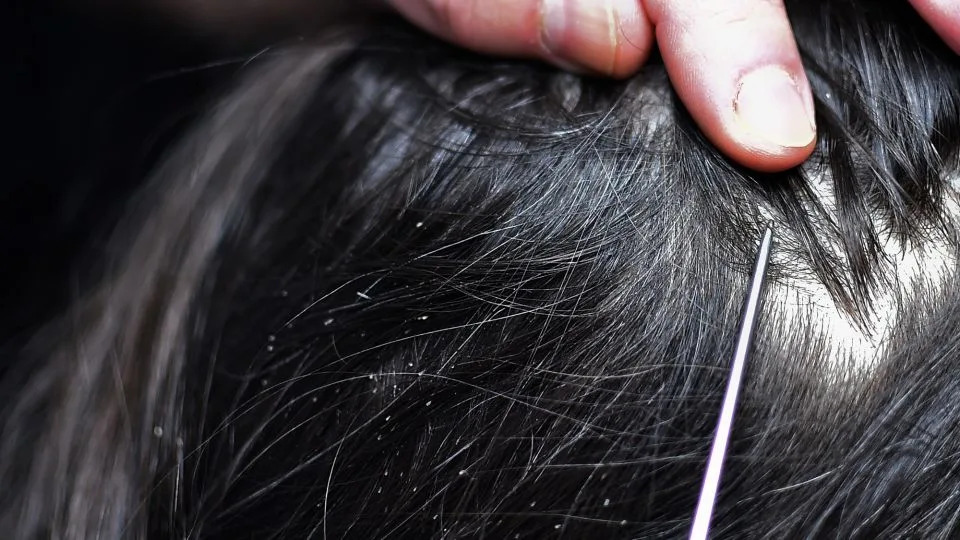
Head lice are pests that have plagued humans for thousands of years. - Britta Pedersen/picture alliance/Getty Images
“What we can get from mosquitoes, fossils or human genomes, it’s all limited in its own way. It’s trying to bring it together and seeing when things match up that really gives us the power,” said Walton.
Expert Reactions and Broader Context
Researchers not involved in the study praised the approach. Laurent Husson highlighted how climate, vegetation and species interactions form part of an integrated Earth-system story; Dr. David L. Reed noted that parasites and vectors often carry genomic records of human movement; and Dr. Fernando A. Villanea called the method a “brilliant” complementary line of evidence for paleoanthropology.
Next Steps
The authors plan to trace specific gene families — such as olfactory receptors that detect host odors — to see whether host preference changed gradually or in rapid bursts after hominins entered the landscape. Understanding the genetic basis of host choice could also improve knowledge of how malaria and other mosquito-borne diseases emerge and spread.
Bottom line: Genomes of human-associated species like mosquitoes can provide independent, location-specific clues about early human presence in regions where the fossil record is sparse or degraded.
Help us improve.