Mubin Shaikh, a counterterrorism operative and former jihadist, warned on "Katie Pavlich Tonight" that sleeper cells are a real concern amid tensions involving Iran. Media reports say U.S. agencies intercepted possible trigger transmissions, and The Atlantic reported Farsi shortwave broadcasts similar to Cold War "number stations." Since 2021, more than 2,500 Iranian nationals have been arrested in the U.S., and Texas authorities report growing numbers of "special interest aliens." Experts call for strengthened intelligence, law enforcement coordination, and community outreach to reduce risk.
Ex-Jihadist Mubin Shaikh Warns Of Growing Sleeper-Cell Risk Amid Iran Tensions
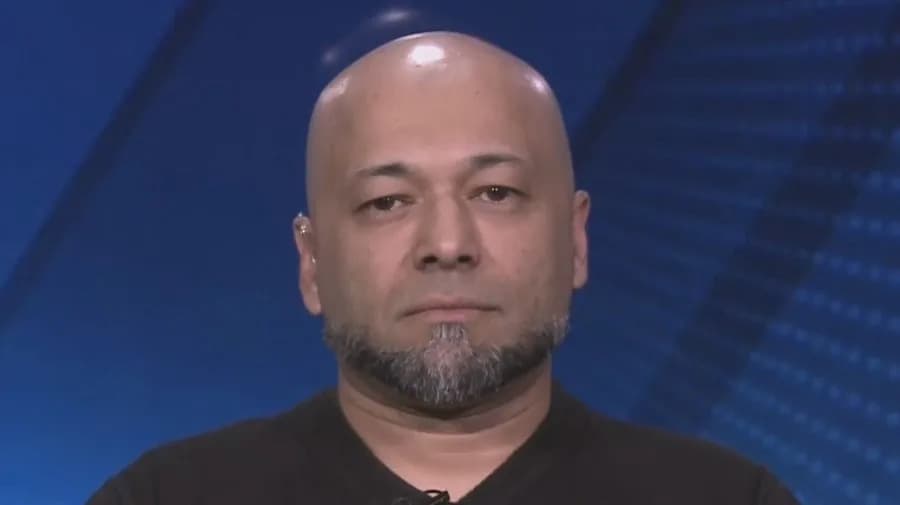
Potential for sleeper cell attacks worthy of concern: Ex-jihadist
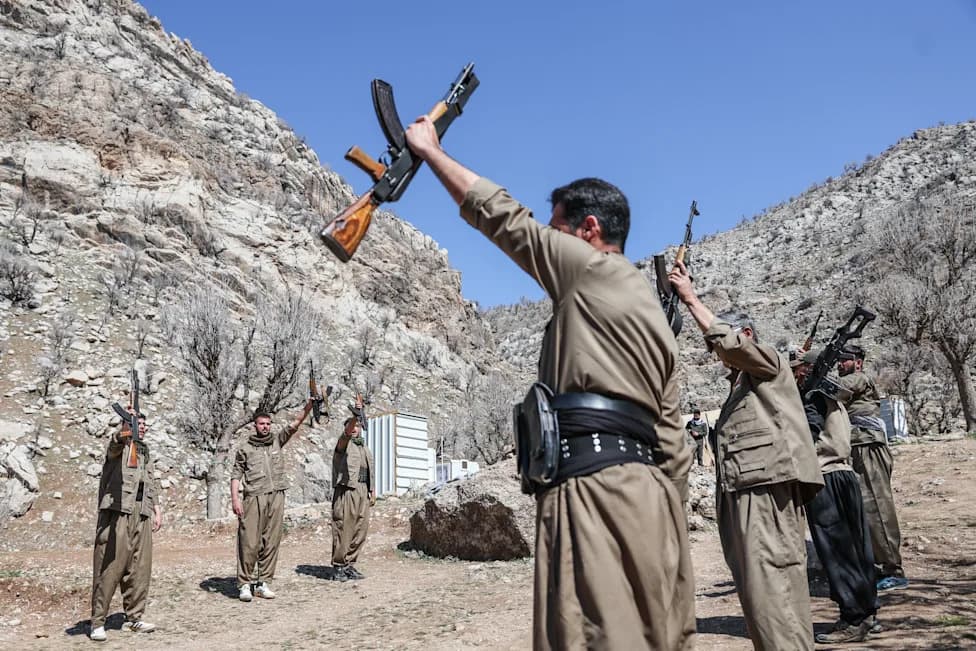
Counterterrorism operative Mubin Shaikh told NewsNation that sleeper cells are a legitimate security concern for Americans as tensions linked to Iran escalate. Shaikh made the remarks during an appearance on the Fox News program "Katie Pavlich Tonight."
Why Experts Are Concerned
Shaikh, a former jihadist turned analyst, stressed the difference between awareness and readiness:
“It’s one thing to know about the problem. It’s something else to be ready when the problem rears its head.”
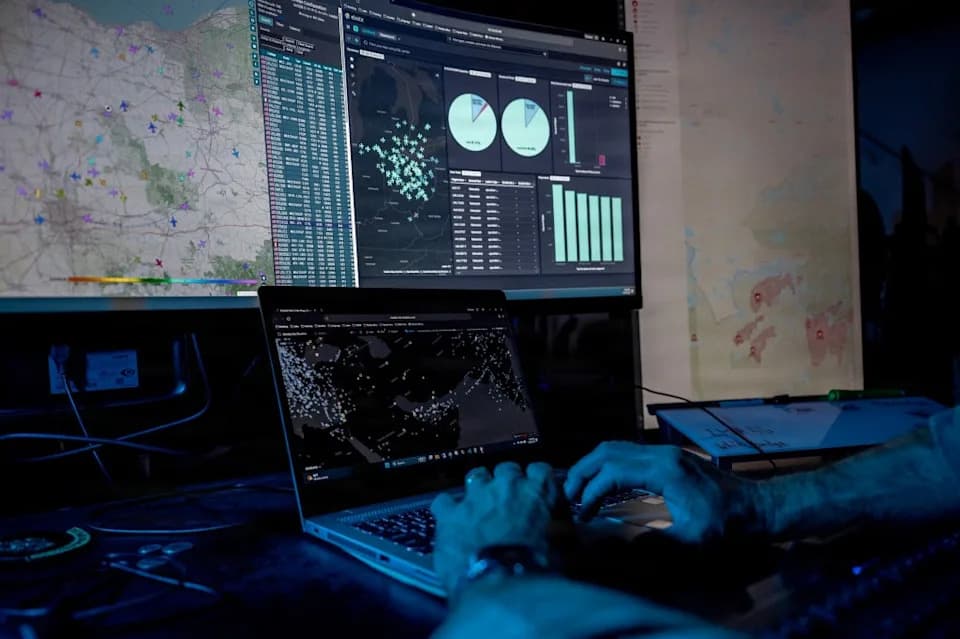
Recent reports have amplified those concerns. An ABC report said U.S. agencies intercepted transmissions that could potentially serve as triggers for sleeper agents. Separately, The Atlantic described Farsi-language broadcasts on shortwave radio frequencies — a method that resembles Cold War–era "number stations." These signals have historically been used to convey coded instructions to covert operatives.
Trends And Local Impact
Authorities note that since 2021 more than 2,500 Iranian nationals have been arrested inside the United States. In Texas, law enforcement officials are monitoring a rising number of so-called "special interest aliens" from the Middle East. Shaikh warned that grievances tied to conflict and displacement can make some young people more susceptible to radicalization and recruitment.
Public-safety experts say the response should combine improved intelligence, interagency coordination, and community outreach to identify threats early and reduce the risk of attacks. Officials, media outlets and the public continue to assess the evolving threat environment and what preparedness measures are needed.
Help us improve.