Summary: Energy Secretary Chris Wright told Face the Nation that U.S. action aims to curtail Iran’s ability to threaten regional security and global energy supplies, and he predicted any related price disruption will be short‑lived. He emphasized that the current problem is largely logistical and fear-driven, not a fundamental shortage, noting the U.S. holds more than 400 million barrels in the Strategic Petroleum Reserve. Wright defended pragmatic short‑term measures — including redirecting offshore crude — to ease refinery tightness while U.S. military efforts reduce Iran's missile and drone activity.
Energy Secretary Chris Wright on Iran, Oil Markets and Short-Term Supply Moves — Full Transcript
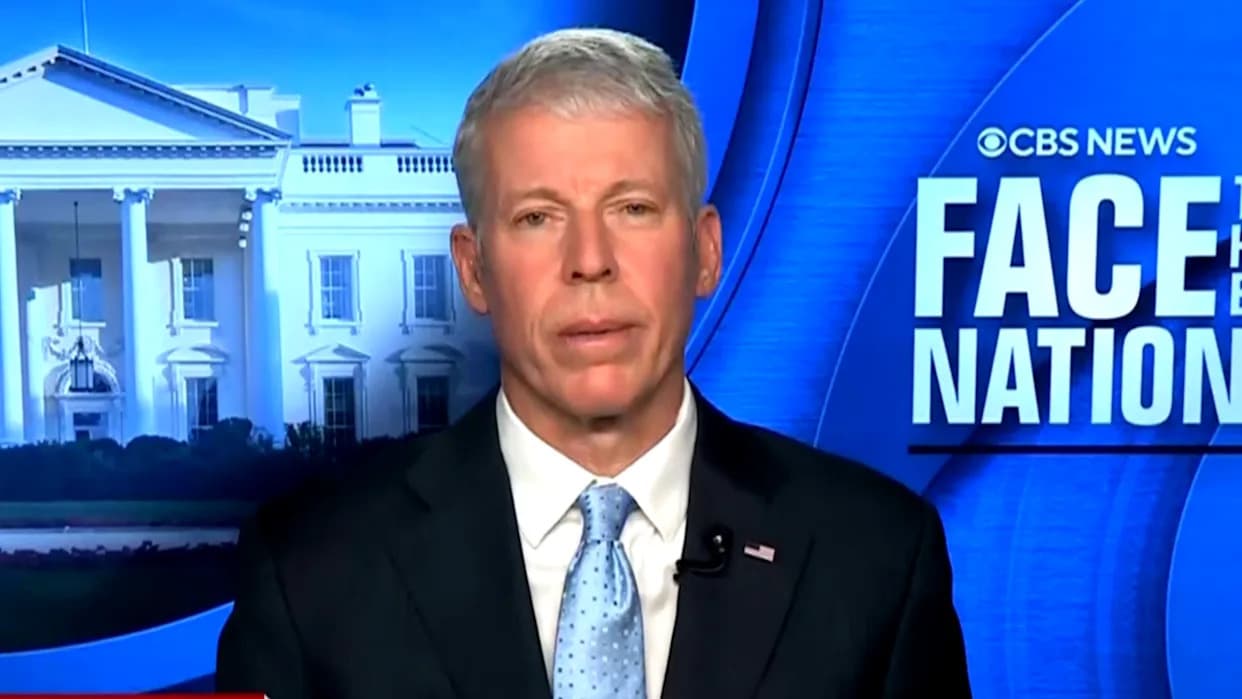
Overview: This is the edited transcript of Energy Secretary Chris Wright's interview with Margaret Brennan on Face the Nation, March 8, 2026. Wright addresses U.S. military action related to Iran, the short-term effects on global oil markets, Strategic Petroleum Reserve policy, and recent Venezuela remarks.
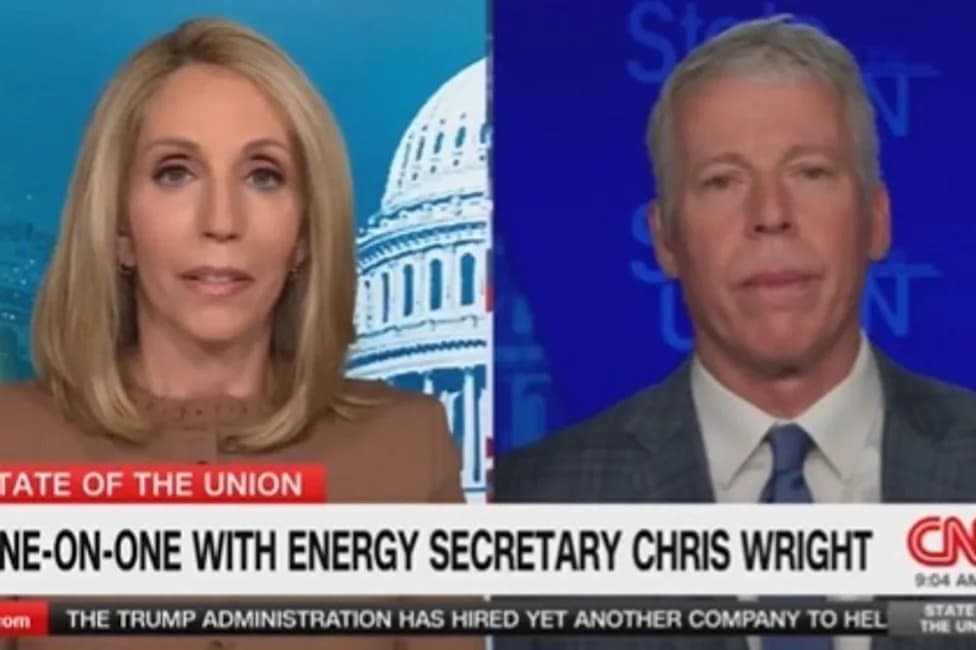
MARGARET BRENNAN: We turn now to Energy Secretary Chris Wright, joining us from Denver. Good morning.
SECRETARY OF ENERGY CHRIS WRIGHT: Thanks for having me, Margaret.
MARGARET BRENNAN: About 50,000 U.S. troops are deployed, six Americans confirmed killed so far, and many civilians stranded. Polling shows 56% of Americans disapprove of the conflict. When you brief energy executives on the likely scope and duration of U.S. involvement, what do you tell them? How long will this last?
SEC. WRIGHT: Iran has long posed a regional threat to neighbors and to energy infrastructure. We expect any resulting energy-price disruption to be short-lived — measured in weeks rather than months in a worst-case scenario. The objective is to stop Iran from threatening regional security, U.S. forces and global energy flows so the region can return to commerce, not conflict.
MARGARET BRENNAN: Gasoline rose roughly 14% last week, with AAA reporting a national average near $3.45 per gallon. Oil prices spiked — how much higher do you expect prices to go?
SEC. WRIGHT: I don't expect a sustained further increase because the global market is well stocked overall. The problem now is largely dislocation and logistics, not a fundamental shortage of crude in the Western Hemisphere. The United States remains a significant net exporter of oil and natural gas, and global inventories are substantial.
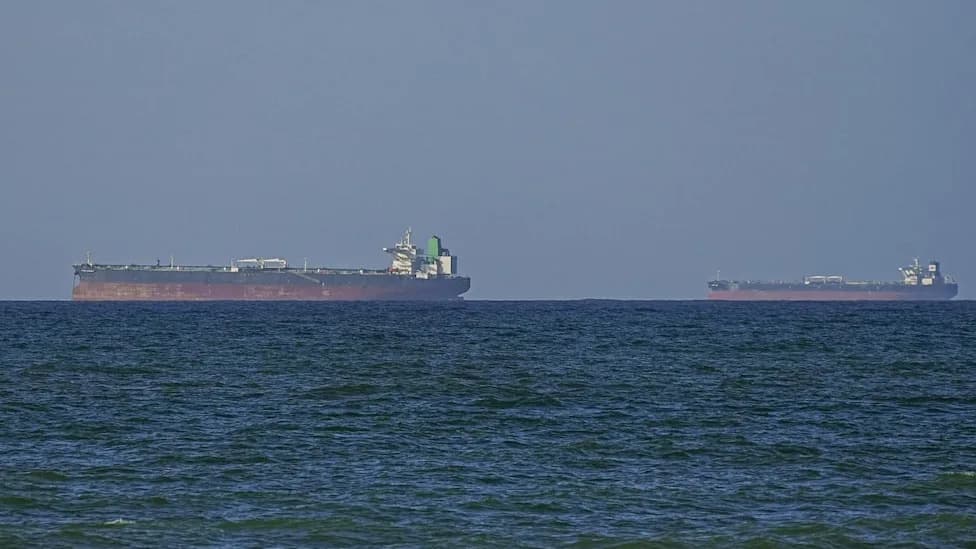
MARGARET BRENNAN: The IEA says logistics and refining bottlenecks — not supply — are the main issue. The Strait of Hormuz normally handles roughly 20 million barrels per day; one vessel has transited recently. When do you expect flows to normalize?
SEC. WRIGHT: I expect flows to recover relatively soon, though I can't give an exact date. U.S. military efforts are focused on diminishing Iran's capacity to attack shipping and threaten forces. So far we've seen reported drops in hostile missile and drone activity, and that suppression should allow more-normal transit through the Strait over the near term.
MARGARET BRENNAN: Will U.S. Navy escorts for tankers be necessary?
SEC. WRIGHT: Possibly. Early tanker movements out of the Gulf could include direct protection by U.S. forces. Our priority is to keep global oil markets supplied while reducing Iran's ability to threaten shipping.
MARGARET BRENNAN: The president said he was open to tapping the Strategic Petroleum Reserve. You described the reserve as diminished on other networks. Does the U.S. have adequate stockpiles?
SEC. WRIGHT: The U.S. currently holds over 400 million barrels in the Strategic Petroleum Reserve and has robust domestic production. We are willing to use the SPR if needed. However, the immediate constraint in this episode is logistics: which refineries require crude, especially in Europe and Asia.
MARGARET BRENNAN: The administration encouraged moving more than 100 million barrels of Russian crude that was floating offshore into refineries elsewhere. Does that benefit Russia financially, and why not seize the tankers?
SEC. WRIGHT: The decision was pragmatic. That crude was already at sea; redirecting it into refineries can ease short-term tightness without changing long‑term sanctions policy. Our urgent priorities are stabilizing markets and addressing the Iran threat rather than pursuing seizures that could further disrupt supply.
MARGARET BRENNAN: Reports indicate Iranian drones include Russian components and that Russia has bought Iranian drones; CBS has reported Russia may have shared intelligence used to target U.S. personnel. How is Russia not part of this confrontation?
SEC. WRIGHT: Russia is a disruptive actor and could be a factor. We're focused on addressing the immediate Iranian threat. The steps we've taken to relieve short-term market pressure are aimed at consumers and allies, not at helping any adversary achieve strategic gain.
MARGARET BRENNAN: Qatar warned oil could hit $150 a barrel. Could the U.S. accept that level politically? Would President Trump withdraw under domestic pressure over pump prices?
SEC. WRIGHT: The administration is committed to resolving the long-term threat and expanding global energy supply. Short-term price spikes are possible, but removing a destabilizing actor from the energy-producing neighborhood should enable increased production and lower prices in the medium term. Decisions will balance security objectives and economic effects on Americans.
MARGARET BRENNAN: On Venezuela: the interview referenced U.S. policy and meetings with Venezuelan figures. Are you using the same playbook in Iran as in Venezuela?
SEC. WRIGHT: Each region and situation is different. The stated objective in this campaign is to eliminate a massive weapons threat and restore greater regional stability, which in turn supports global energy security. Leadership involves risk, and the administration says it will take directed actions to pursue measurable security improvements.
MARGARET BRENNAN: Energy Secretary Wright, thank you for joining us.
Editor’s note: Some statements in the original broadcast reflect officials' assertions or policy positions (for example, references to outcomes in Venezuela). Where a claim could be disputed, this transcript notes it as a comment by the interviewee rather than as an independently verified fact.
Additional briefs on the broadcast included: 'Doctor adopts boy who came to surgery alone, then finds homes for his five siblings'; 'Russia helping Iran identify U.S. targets, sources say'; and a note that Ambassador Olga Stefanishyna called Russia 'absolutely a factor' in the conflict with Iran.
Help us improve.